
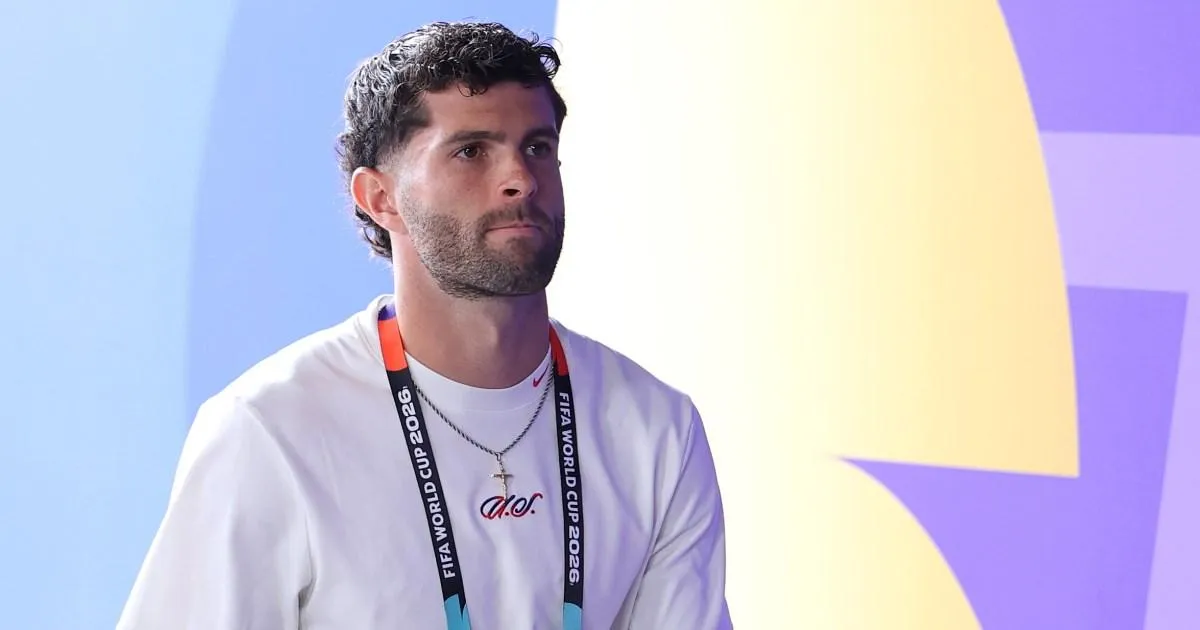
Why Christian Pulisic is not playing for USA in World Cup match against Australia today
USA’s World Cup Campaign Begins Strongly
Why Christian Pulisic is not playing – The United States started their World Cup campaign with a commanding 4-1 win over Paraguay last Saturday, setting a strong foundation for their group-stage endeavors. This victory showcased the team’s attacking flair and resilience, marking a promising debut in the tournament. With the opening game behind them, the Americans now turn their attention to their second match of the group phase, a crucial encounter against Australia today.
Injury Situation Adds Uncertainty
However, the USA squad faces a setback as star midfielder Christian Pulisic is omitted from the matchday lineup. The 27-year-old, who has been a standout performer for the national team, is sidelined due to a persistent calf injury. His absence could impact the team’s dynamic, particularly in midfield, where his creativity and leadership have been vital. Coach Mauricio Pochettino confirmed the decision, emphasizing the need to prioritize Pulisic’s recovery over immediate match demands.
Group D Contenders Seek Knockout Round Berths
The United States currently lead Group D, a position that places them in a favorable position to advance to the knockout stages. A win against Australia today would solidify their top spot and ensure a strong path forward. While the team has demonstrated their attacking potential in the opening game, their defense and midfield stability will be tested against a determined Australian side. The match is expected to be a tight contest, with both teams vying for a place in the next round.
Pulisic’s Injury Timeline and Impact
Pulisic’s injury history has been a topic of concern throughout the buildup to the tournament. He played a pivotal role in the USA’s first match, providing the assist for Folarin Balogun’s opening goal. However, the AC Milan winger was substituted at halftime due to discomfort in his calf. Since then, he has been participating in modified training sessions, isolating himself from the rest of the squad to avoid aggravating the injury. These adjustments aim to keep him in shape while ensuring his full recovery before the next game.
The decision to rest Pulisic comes as no surprise to those familiar with the coaching staff’s cautious approach. With the World Cup’s physicality intensifying, Pochettino has opted to shield the key player from further strain. This move reflects the team’s strategic focus on maintaining a balanced squad, even at the cost of a high-profile absence. While Pulisic’s replacement, Ricardo Pepi, brings energy and versatility to the midfield, his ability to replicate the star’s impact remains a question mark.
Starting Lineups for the USA vs. Australia Clash
The U.S. team has named their squad for today’s match, with Pepi stepping into the starting XI alongside other key players. The lineup includes goalkeeper Matt Freese, defenders Regan Freeman, Chris Richards, Julie Ertz, and Sam Nicholson. Midfielders Brenden Aaronson, Joe Scally, and Sergiño Dest form the core of the attack, supported by forwards Josh Sargent, Miles Robinson, and Yunus Musah. Australia’s starting XI features a mix of experienced veterans and emerging talents, with defenders Matthew Burton, Thomas Deng, and Harry Maguire anchoring the backline.
Despite the absence of Pulisic, the U.S. squad remains confident in their preparations. Pochettino praised the team’s cohesion and adaptability, noting that they have developed a strong identity in the group stage. “We’ve worked hard to ensure every player is ready to contribute,” he stated, highlighting the depth of the roster. This confidence is tempered by the knowledge that Australia, as one of the tournament co-hosts, will bring a passionate home crowd and tactical discipline to the game.
Coaching Perspective and Player Sentiments
“Christian is not available today,” Pochettino said during a pre-match press conference. “His evolution as a player is progressing well, but we need to take a step back and let him recover fully. It’s a bit of a disappointment for him, as he was eager to play, but the health of the team comes first.”
Pochettino’s comments underscore the delicate balance between optimism and pragmatism in managing the squad. While he expressed hope that Pulisic would return for the USA’s final group game against Turkey on June 25, he acknowledged the emotional weight of the decision. “This is still early in the tournament,” he added. “We have to stay focused on the players who will take the field today and ensure we’re prepared for the challenges ahead.”
Australia, meanwhile, has been building momentum in their own group. Their victory over New Zealand in the previous round demonstrated tactical resilience, and they are expected to test the U.S. defense with their physicality and set-piece expertise. The match will be a test of both teams’ depth and ability to adapt under pressure. For the Americans, the challenge lies in maintaining their attacking rhythm without Pulisic’s presence, while also addressing any defensive vulnerabilities.
Looking Ahead to the Turkey Match
The USA’s next fixture, against Turkey, is a critical opportunity to showcase their depth and adjust strategies. Pulisic’s return for this game would be a boost, as his pace and vision could create new scoring chances. However, the team will need to ensure that his participation doesn’t lead to further setbacks. This match will also determine whether the U.S. can secure a top-two finish in Group D, with the potential for a bye in the knockout stages.
Pochettino’s team is determined to turn their focus inward, relying on the collective strength of their players. “We have a very important game today,” he said. “Australia is a tough opponent, but we’re ready to face them. Our preparation has been thorough, and the players are in the right mindset.” The coach’s emphasis on team unity and tactical execution highlights the importance of the match in defining the U.S. path forward.
In the absence of Pulisic, the squad will need to adjust their game plan. His role as a playmaker and a focal point in midfield is difficult to replace, but Pepi and others have shown they can step up. The U.S. will look to maintain their attacking threat through young talents like Anthony Hudson and Timothy Weah, while also tightening their defensive organization. This will require a seamless transition from the first game to the second, as the team aims to build on their early success.
More Stories from the World Cup
As the tournament progresses, fans are keeping a close eye on other developments. Recent updates include a notable injury to a World Cup star just hours after completing a £34 million transfer to Liverpool. Another story highlights Scotland’s potential path through the knockout rounds, with specific dates and opponents outlined for their upcoming fixtures. Additionally, Cristiano Ronaldo’s sister has voiced her support for Bruno Fernandes, criticizing Portugal’s players for their performance in recent matches.
These stories underscore the global nature of the World Cup, where every team and player is navigating their own challenges. For the U.S. squad, the focus remains on the match against Australia today, with the hope that their preparations will yield a strong result. The outcome will not only affect their group-stage standing but also set the tone for the rest of