
What happened to the children who went to fat camps: They’ve fallen out of favour – but Destiny says her stint changed her life. Now, as childhood obesity soars, is it time to bring them back?
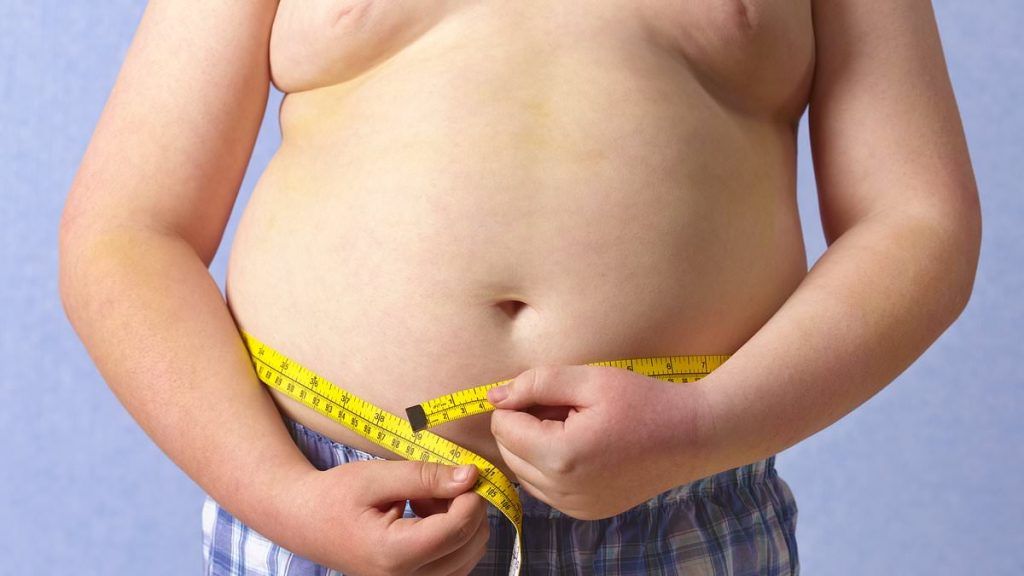
What happened to the children who went to fat camps: They’ve fallen out of favour – but Destiny says her stint changed her life. Now, as childhood obesity soars, is it time to bring them back?
Destiny Deakin, now 25, maintains a sleek appearance with flowing blonde hair and a fit physique. Standing at 5 feet 8 inches and weighing 9 stone 5 pounds—a size eight—she adheres to a rigorous exercise routine and a balanced diet.
But her journey to this point wasn’t straightforward. At 12, she weighed 14.5 stone, which was equivalent to an adult size 18. This made her a frequent target of bullying at school, where she was mocked with the nickname ‘beefburger girl.’
A turning point in her journey
Destiny attributes her transformation to a program that has since fallen out of mainstream use. Between ages 12 and 14, she attended two six-week residential weight-loss camps, which taught her to manage her diet and incorporate exercise, leading to a total weight loss of two stone.
MoreLife, based in Bradford, was the UK’s sole residential camp of its kind at the time. The initiative focused on sustainable lifestyle changes rather than quick fixes. Destiny’s experience was highlighted in a BBC Three documentary titled ‘I Know What You Weighed Last Summer,’ which aired a decade ago.
The rise of childhood obesity
Official data reveals that approximately 10% of children in England are obese upon starting school, a figure that rises to about 20% by the time they reach secondary education. Research indicates these children are up to five times more likely to remain overweight into adulthood, significantly elevating their risk for severe conditions like Type 2 diabetes and heart disease.
In response, healthcare professionals are increasingly relying on potent weight-loss injections or surgical interventions to address the issue. A recent study found that around 400 children, including those as young as nine, have been prescribed NHS-approved drugs such as Mounjaro and Wegovy, sparking discussion about whether lifestyle programs have been prematurely overshadowed.
‘The boys in my class would call me fat or “beefburger girl.” I’d try to stay strong, but each day ended with me feeling deeply upset.’
‘After school, I’d spend my pocket money on sweets, energy drinks, and chocolate bars, then toss the wrappers in the bin to hide them from my mother. If asked, I’d lie and say I hadn’t eaten anything, even though I’d often exceeded my daily calorie limit before dinner.’
‘Mum would send me to school with fruit, but I’d leave it untouched in my bag, not wanting to draw attention to my choices. She couldn’t track what I consumed during the day, so I’d sometimes indulge in three pizzas if I wanted to. When she questioned why I was so sad, she’d suggest, “Do you think you’d feel better if you lost some weight?” But to me, it felt like she was being critical.’
Destiny admits she initially resisted the idea of attending camp, fearing she’d have to forgo her favorite treats. ‘I used to stay at my nan’s during the six-week holidays, where I could enjoy fizzy pop, crisps, pizza, and chocolate. I knew that if I went to camp, I wouldn’t be able to indulge in any of these.’
