
Berlinale crisis: Tricia Tuttle to stay as film festival boss after Gaza row
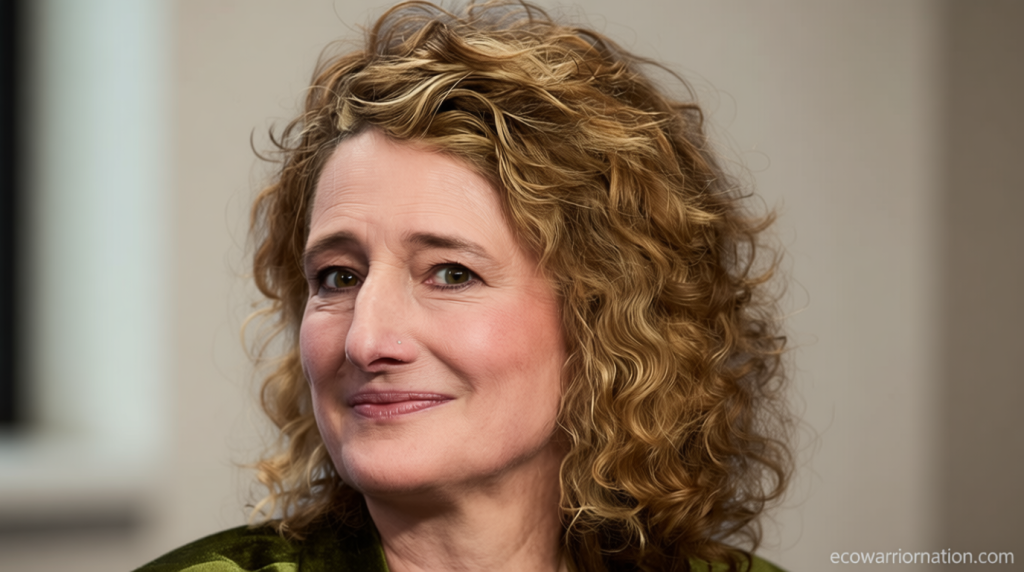
Berlinale crisis: Tricia Tuttle to stay as film festival boss after Gaza row
The Berlin Film Festival has decided to retain its director, Tricia Tuttle, following a recent supervisory meeting with the board of KBB, the state-owned entity managing the event. The board affirmed Tuttle’s continued role, emphasizing the festival’s commitment to maintaining its independent stance.
Earlier claims by conservative tabloid Bild, which accused Tuttle of agreeing to a new “code of conduct” as a condition for her employment, were dismissed. The Berlinale clarified that the supervisory board provided recommendations, not binding conditions, for her position. These included developing a code of conduct, staff training on politically charged content, and establishing an independent advisory forum with representation from various social groups, such as Jewish communities.
The Berlinale’s strength lies in its ability to hold divergent perspectives and give visibility to a plurality of voices.
Tuttle’s leadership faced scrutiny after the festival’s recent edition was initially criticized for its silence on political issues. This tension escalated when several filmmakers used award speeches to express pro-Palestinian views, highlighting the Gaza conflict. German Federal Environment Minister Carsten Schneider reportedly left the ceremony after Palestinian director Abdallah Al-Khatib, whose film Chronicles From The Siege won a major prize, accused the government of “being partners in the genocide in Gaza by Israel.”
Al-Khatib’s remarks referenced Germany’s strong pro-Israel alignment, tied to historical guilt over its wartime role. Bild, a publication known for its pro-Israel stance, suggested Tuttle might be replaced. Right-wing journalist Gunnar Schupelius criticized her for “posing for Gaza propaganda,” pointing to a photo with Al-Khatib and the film’s crew at its premiere. He argued that Tuttle had allowed the Berlinale to become a platform for “antisemitic” activism.
Despite these allegations, Tuttle received widespread backing. Over 3,000 film professionals endorsed her through an open letter, asserting that the Berlinale’s value is rooted in its capacity to foster diverse viewpoints. Similarly, 32 international festival directors, including Cannes’ Thierry Frémaux and Toronto’s Cameron Bailey, also signed a letter affirming their support for her leadership.
The festival directors stressed the importance of preserving spaces where differing opinions can be discussed openly. They noted that such environments are essential for creative exchange and the emergence of new ideas. Tuttle’s tenure as Berlinale director remains secure for another three years under her current five-year contract.
