
Empowering the Next Generation with Eco Education Programs
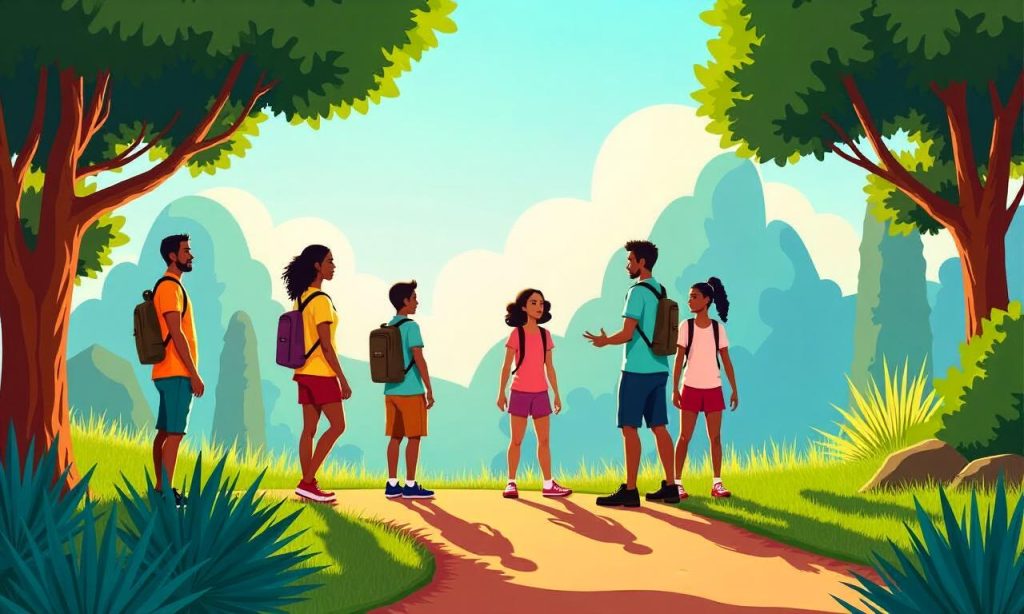
In today’s rapidly changing world, the importance of eco education programs cannot be overstated. As environmental challenges such as climate change, pollution, and resource depletion become more pressing, eco education programs have emerged as a vital tool for preparing the next generation to address these issues. These programs go beyond traditional classroom learning by integrating environmental awareness, sustainability practices, and conservation ethics into educational curricula. By doing so, they equip students with the knowledge and skills needed to make informed decisions that benefit both the planet and future communities. The goal is to foster a sense of responsibility and action, ensuring that young people grow up as environmentally conscious citizens.
What Are Eco Education Programs?
Eco education programs are structured initiatives designed to teach students about environmental science, ecological systems, and sustainable living. These programs can be found in schools, community centers, and online platforms, and they often emphasize hands-on learning and real-world applications. Unlike conventional education, eco education programs encourage critical thinking about the impact of human activities on the environment, promoting a holistic understanding of ecological balance. By incorporating topics like renewable energy, waste management, and biodiversity, they create a foundation for lifelong environmental stewardship.
The Role of Eco Education in Shaping Sustainable Futures
The primary role of eco education programs is to instill sustainable habits and values in young people from an early age. These programs help students connect with nature, understand the interconnectedness of ecosystems, and recognize the urgency of environmental protection. For example, lessons on recycling and energy conservation teach practical ways to reduce individual and collective footprints. Additionally, eco education programs often focus on global issues like deforestation and ocean plastic, enabling students to see the broader implications of their actions. This awareness is crucial for developing leaders who will drive environmental change in the future.
Key Components of Effective Eco Education Programs
An effective eco education programs must include a variety of components to engage students and ensure meaningful learning. A well-designed curriculum covers topics such as climate science, conservation, and renewable resources, while interactive activities like field trips, gardening, and citizen science projects make the learning process dynamic. Technology also plays a significant role, with digital tools and apps helping students track environmental data and collaborate on sustainability projects. Furthermore, partnerships with local organizations, environmental experts, and businesses can provide real-world context and resources. These elements work together to create an immersive and impactful educational experience.
Challenges and Opportunities in Implementing Eco Education Programs
Despite their benefits, implementing eco education programs can face several challenges. One of the most common obstacles is the lack of funding and resources, which can limit access to materials and training for educators. Another challenge is integrating these programs into existing school systems without compromising academic standards. However, the opportunities far outweigh the difficulties. Schools and communities can leverage government grants, private sponsorships, and crowdfunding to support eco education. Moreover, the growing demand for sustainability-focused education has led to the development of new tools, curricula, and partnerships that make these programs more accessible and effective.
Case Studies of Successful Eco Education Programs
Several eco education programs around the world have demonstrated their potential to drive meaningful change. In Finland, schools have implemented a national curriculum that includes environmental studies as a core subject, resulting in higher student engagement and a culture of sustainability. In the United States, programs like the EPA’s “Green Schools Initiative” have transformed educational institutions into eco-friendly spaces while teaching students about energy efficiency and waste reduction. Similarly, in Kenya, community-based eco education programs have empowered local youth to protect wildlife and promote reforestation. These examples show that eco education programs can be tailored to different cultures and settings, proving their versatility and effectiveness.
How to Get Involved in Eco Education Programs
Participating in eco education programs is not limited to students and educators. Parents, businesses, and policymakers can also play a role in supporting these initiatives. Parents can advocate for eco-friendly practices at home and encourage their children to engage in environmental activities. Businesses can fund programs, sponsor green projects, or collaborate with schools to provide resources and expertise. Policymakers can create incentives for schools to adopt eco education programs and integrate environmental goals into national education policies. By working together, these stakeholders can amplify the impact of eco education programs and create a more sustainable future.
Eco education programs are more than just academic courses—they are a pathway to a healthier planet and a more informed society. As students become more aware of environmental issues, they are likely to influence their communities and contribute to global sustainability efforts. The integration of eco education into school systems ensures that future generations inherit the knowledge needed to tackle ecological challenges. This shift in education is essential for creating a world where sustainability is not just a goal, but a way of life.
The Long-Term Impact of Eco Education Programs
The long-term impact of eco education programs extends far beyond the classroom. By nurturing environmental awareness early in life, these programs lay the groundwork for lifelong habits that reduce waste, conserve resources, and protect natural habitats. Research shows that individuals who participate in eco education are more likely to make eco-conscious choices in their daily lives, such as using public transportation, reducing plastic consumption, and supporting green initiatives. Additionally, eco education programs help bridge the gap between knowledge and action, empowering students to take part in community projects and policy discussions. This ripple effect ensures that eco education is not just a trend, but a transformative movement.

Collaborative Approaches to Strengthening Eco Education Programs
Collaboration is a key factor in the success of eco education programs. By bringing together educators, environmental organizations, and technology developers, these programs can be enhanced with innovative tools and resources. For instance, partnerships with local NGOs can provide field experiences and mentorship opportunities, while tech companies can offer digital platforms for interactive learning. Furthermore, collaboration between schools and businesses allows students to apply their knowledge in real-world settings, such as internships or project-based learning. This teamwork not only enriches the learning experience but also ensures that eco education programs remain relevant and impactful.
The Future of Eco Education Programs
As the world continues to grapple with environmental challenges, the future of eco education programs looks promising. With increasing support from governments, businesses, and communities, these programs are becoming more widespread and integrated into mainstream education. The rise of online learning platforms and virtual reality tools has also expanded access to eco education, making it possible for students in remote areas to participate. In the coming years, eco education programs will play a central role in shaping a sustainable future, equipping young people with the knowledge and skills to lead environmental change. This shift in education is not just beneficial—it is necessary for the survival of our planet.
Frequently Asked Questions
Q: What are the main goals of eco education programs? A: The main goals of eco education programs are to raise environmental awareness, teach sustainable practices, and inspire action for a healthier planet.
Q: How do eco education programs benefit students? A: Eco education programs benefit students by fostering critical thinking, promoting ecological literacy, and encouraging them to become proactive stewards of the environment.
Q: Can eco education programs be implemented in all types of schools? A: Yes, eco education programs can be adapted to fit various school settings, from primary education to higher learning, ensuring broad accessibility.
Q: What are some examples of eco education initiatives? A: Examples include school gardens, waste management projects, and climate change workshops, which provide hands-on experiences in sustainability.
Q: How can individuals support eco education programs? A: Individuals can support eco education programs by volunteering, donating, or collaborating with educational institutions to promote environmental learning.
