
French foreign minister faces criminal complaint over misquoting Francesca Albanese
French foreign minister faces criminal complaint over misquoting Francesca Albanese
A coalition of French legal professionals has submitted a report to the Paris prosecutor’s office, alleging that the country’s top diplomat misrepresented remarks by the United Nations’ special rapporteur on Palestine, Francesca Albanese.
Legal action sparked by contested quotes
The Association of Lawyers for the Respect of International Law (Jurdi) stated on Thursday that it initiated formal proceedings after Foreign Minister Jean-Noel Barrot invoked a distorted version of Albanese’s speech during a parliamentary address. Barrot had previously criticized her, citing a misinterpreted phrase from a virtual address at the Al Jazeera Forum in Doha.
“Three European governments accuse me – based on statements I never made – with a virulence and conviction that they have NEVER used against those who have slaughtered 20,000+ children in 858 days.”
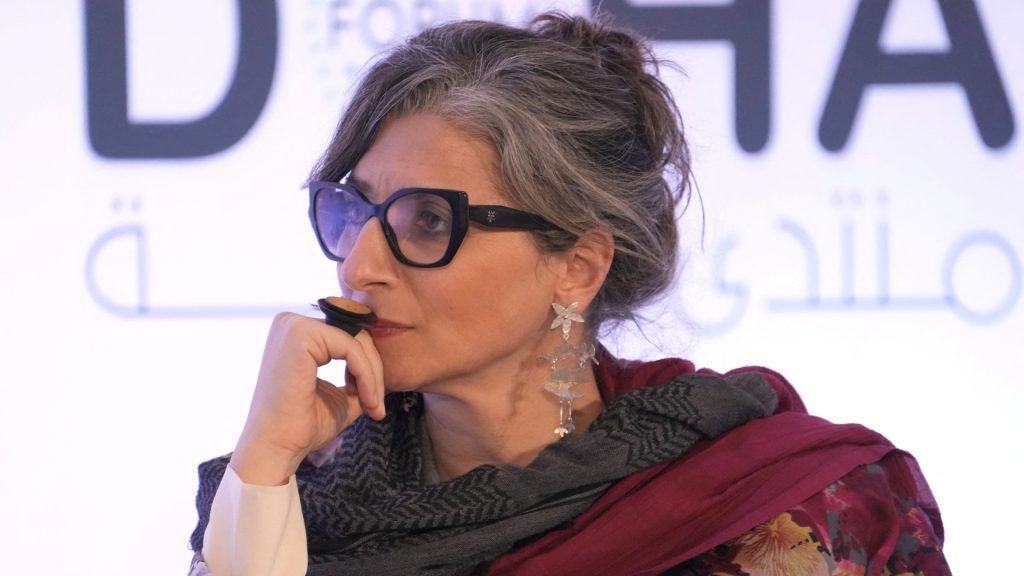
The UN expert had employed the term “common enemy” in two separate Doha speeches, one in February and another in December. In both instances, she used the phrase to critique the political, military, and economic forces perpetuating Israel’s war on Gaza, not to single out the entire nation or its people.
Context of the disputed remarks
Albanese’s February 7 speech included the line: “We now see that we as a humanity have a common enemy and the respect of fundamental freedoms is the last peaceful avenue, the last peaceful toolbox that we have to regain our freedom.” A similar sentiment appeared in her December address at the Doha Forum, where she asserted: “Palestine is allowing us to see what connects all injustices; what happens to Yemen, to Sudan, to Congo, and including in places where poverty has not been so rooted as it is today for a long time, including in the West.”
Jurdi emphasized that Barrot’s parliamentary comments suggested a deliberate attempt to mischaracterize Albanese’s work, potentially undermining her role as a UN representative. The organization argued that the minister’s portrayal of her statements as hate speech was a misrepresentation, as the term “common enemy” referred to a system prioritizing economic interests over human rights.
Broader implications of the misquoting
The legal group noted that excerpts of Albanese’s speech were selectively shared by pro-Israel advocacy groups like UN Watch on social media, stripped of their original context. This partial presentation was then amplified by figures such as Renaissance MP Caroline Yadan, fueling a distorted interpretation of her message.
Jurdi contended that the minister’s actions could be classified as a criminal offense under French law, which allows prosecution for spreading false information with intent to disrupt public order. The complaint highlights how the misattribution of Albanese’s words may have influenced international perception, despite her clear focus on systemic issues rather than national-level blame.
Albanese’s remarks have also drawn scrutiny from German and Italian foreign ministers, who have similarly called for her resignation. The UN expert reiterated her stance, stating that the accusations against her lacked the same intensity as those applied to entities responsible for the Israeli military’s toll on Palestinian civilians in Gaza.
