

Sadiq Khan Issues Urgent Air Pollution Alert as London Prepares for Record-Breaking Heat
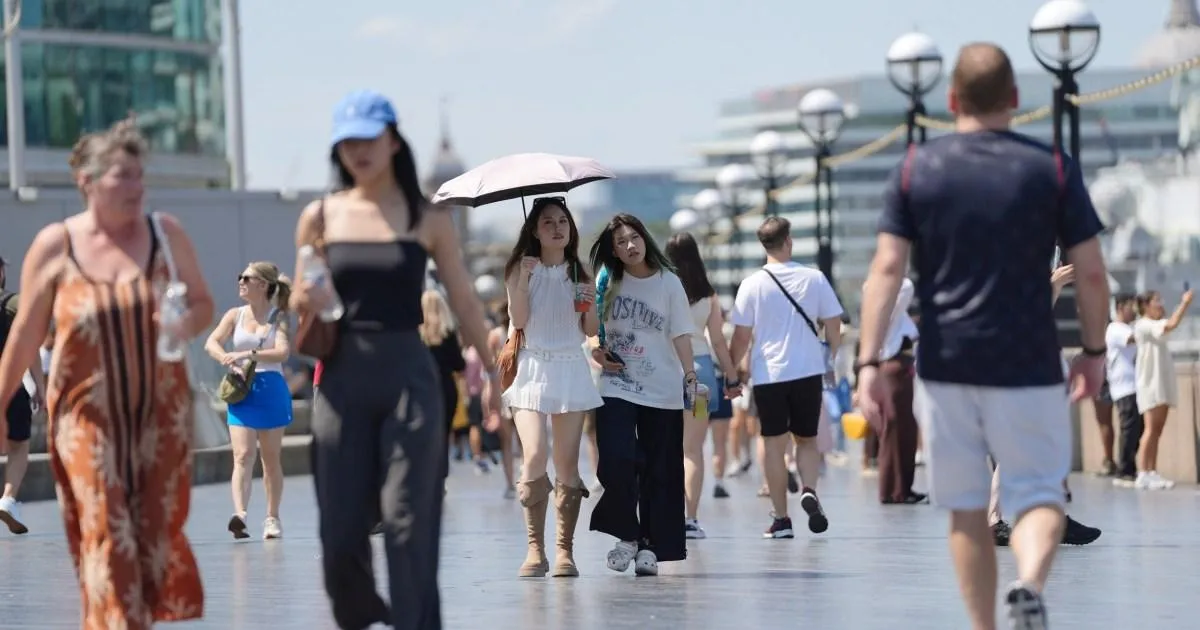
Sadiq Khan issues severe air pollution – Amid rising concerns over deteriorating air quality, Mayor Sadiq Khan has activated a high-level pollution alert for Monday, urging Londoners to take proactive measures to safeguard public health. The city is forecast to experience an unprecedented heatwave, with temperatures projected to reach 39C over the next four days, prompting the Met Office to issue warnings about the potential risks to residents and critical infrastructure.
Call to Reduce Car Use and Limit Engine Idling
As the summer sun intensifies, Khan has emphasized the need for collective action to combat the surge in harmful pollutants. “Residents should minimize car travel and avoid unnecessary engine idling to help curb the anticipated poor air conditions,” he stated during a press briefing. The mayor also highlighted the importance of protecting vulnerable groups, such as the elderly and those with respiratory conditions, by encouraging the use of public transportation and cycling.
‘Hot, sunny weather and pollution from continental Europe are expected to raise ozone levels,’ he wrote on Sunday afternoon.
The heatwave is anticipated to coincide with elevated ozone concentrations, which can exacerbate respiratory issues and pose health risks. Khan’s directive comes as the Met Office forecasts sustained temperatures of 38C by Tuesday, with the mercury remaining at that level until Thursday. This period of extreme heat is expected to set a new record for the UK’s hottest June, surpassing the previous peak of 35.6C—once recorded in Southampton in 1976 and in Camden Square, London, in 1957.
Health Risks and System Vulnerabilities
The Met Office has warned of the adverse health effects linked to the prolonged heatwave, including an increased risk of sunburn, dehydration, and heat exhaustion. These conditions could particularly impact those with pre-existing health issues or limited access to cooling facilities. In addition, the alert highlights potential disruptions to essential services, such as power outages, due to the strain on heat-sensitive equipment and systems.
“The extreme temperatures could overwhelm critical infrastructure, leading to failures in energy distribution and other vital operations,” the Met Office noted in its statement. This scenario underscores the importance of preparedness, with local authorities advising residents to stay hydrated, use fans or air conditioning, and check on neighbors in need of assistance.
Historical Context of UK Heatwaves
London’s current heatwave is being compared to the intense summer of 1976, which remains one of the most memorable periods of extreme weather in British history. During that time, 15 consecutive days saw temperatures exceed 32C, while 36 days across England and Wales went without rainfall. The prolonged dry spell led to severe water shortages, prompting Parliament to pass the Drought Act to implement water rationing and encourage the use of standpipes in homes.
Interestingly, the 1976 heatwave also coincided with a significant rise in ozone levels, much like the situation today. Khan’s warning echoes the challenges faced during that era, emphasizing the need for vigilance in the face of similar conditions. This year, however, the record-breaking spring has already set the stage for an even more severe summer, with temperatures in May surpassing 30C—marking the warmest spring on record.
Climate Change and the Frequency of Extreme Weather
Met Office meteorologist Simon Partridge has pointed to climate change as a key factor in the increasing frequency of extreme weather events. “We’re seeing more frequent occurrences of high-temperature spells and air quality issues, which are likely to become the norm rather than the exception,” he explained. His remarks highlight a growing trend that has been observed over recent years, with the UK experiencing increasingly severe heatwaves and pollution episodes.
‘That’s unfortunately just the way things are going at the moment and it doesn’t seem to be slowing down,’ he said.
Partridge’s analysis aligns with global climate patterns, suggesting that such extreme conditions will become more common as the planet continues to warm. This year’s forecast not only reflects the immediate impact of the heatwave but also serves as a warning for the long-term consequences of climate change. With the city set to face temperatures rivaling those of the 1976 summer, experts warn that proactive measures are essential to mitigate both health and economic impacts.
The warning also draws attention to the broader implications of the heatwave, including potential disruptions to daily life and the environment. With the likelihood of record temperatures, Londoners are being urged to prepare for the challenges ahead. This includes staying informed about air quality updates, using cooling methods effectively, and supporting community initiatives aimed at reducing pollution and conserving energy.
Additional Stories and Background Information
While the focus remains on the heatwave and air pollution, other recent events have captured public attention. A teenager was recently found dead in Battersea, with police confirming the incident as a result of a stabbing. Meanwhile, a millionaire was arrested in a Putney-based pusher case, following a tip from his ex-partner. These stories highlight the diverse challenges facing the city as it grapples with environmental and social pressures.
The Met Office’s warnings are not only about the immediate effects of the heatwave but also about the long-term shifts in weather patterns. As temperatures continue to rise, the risk of extreme weather events is expected to grow, affecting both urban areas and rural regions. This year’s heatwave serves as a stark reminder of the need for climate resilience and sustainable practices to protect the city’s future.
This site is protected by reCAPTCHA, and the Google Privacy Policy and Terms of Service apply. Your information will be used in line with our Privacy Policy.
Residents are also being reminded to stay vigilant about the potential for power cuts and service disruptions. Local authorities have advised that contingency plans should be in place to ensure that essential services, such as healthcare and transportation, remain functional during the peak of the heatwave. The combination of high temperatures and elevated pollution levels poses a unique challenge, requiring a coordinated effort from both individuals and institutions to safeguard public health.
As the city braces for the heat, the Met Office continues to monitor conditions closely, providing regular updates to the public. The broader implications of this heatwave extend beyond the immediate weather concerns, with experts predicting a shift toward more frequent and intense extremes. This trend is expected to reshape how Londoners approach daily life, from transportation to energy use, as the city adapts to a warmer future.
In conclusion, Sadiq Khan’s call to action is part of a larger response to the challenges posed by climate change. By encouraging reduced car travel and engine idling, the mayor aims to alleviate pressure on the environment while protecting the health of all residents. As the capital faces its hottest June on record, the urgency of these measures has never been clearer, with the goal of ensuring that Londoners remain safe and resilient in the face of unprecedented heat and pollution.