
‘We can’t take it anymore’: How Trump is pushing Cuba to the brink
‘We can’t take it anymore’: How Trump is pushing Cuba to the brink
The Unseen Strain on Havana’s Streets
A Cuban man approached me on the street, murmuring in a hushed tone as if revealing a secret. “Let the Americans come, let Trump come, it’s time to get this over with,” he said, his voice barely audible. This sentiment is perilous in Cuba, especially amid the current US presidential campaign that has intensified pressure on the island in a manner unseen since the Cold War era. I glanced around to ensure no one else was eavesdropping on his remarks, while my cameraman captured the story of the ongoing transportation crisis. “We can’t take it anymore,” he added. “People can’t feed their families.”
Echoes of a Historical Crisis
For over six decades since Fidel Castro’s revolutionaries seized Havana and etched their name into history, the island has endured cycles of upheaval: CIA invasions, nuclear standoffs, and mass departures. Now, Donald Trump’s policies have reignited a familiar pattern of economic warfare. On Friday, Trump told CNN’s Dana Bash, “Cuba is going to fall soon.” While such claims may echo past US leaders, the speed and precision of his oil embargo have drastically weakened Cuba’s already fragile economy. Unlike the 1962 missile crisis, there is no naval blockade today, yet the consequences are equally severe.
Trump’s Economic Leverage
In his second term, Trump has escalated efforts to oust leaders in Venezuela and Iran. Now, he claims Cuba is the next target. The island, which has survived decades of US sanctions and internal mismanagement, faces unprecedented isolation. With allies like Venezuela retreating under US pressure, the flow of oil has dwindled. Once-bustling government-owned hotels sit idle, their doors closed. Employees have been sent home, and tourists have all but disappeared, leaving planes without fuel to return. “Cuba is not alone,” the government insists, but the island now feels as desolate as it did after the Soviet Union’s collapse.
The Waning Power of Cuban Resilience
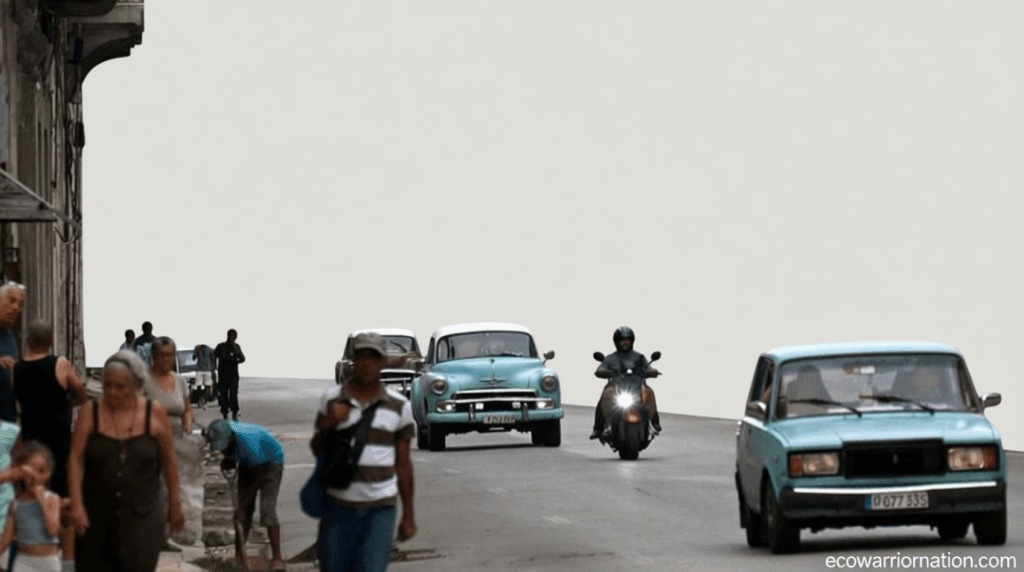
Blackouts that once lasted hours now stretch for days. When power flickers on briefly at night, Cubans rise to manage their routines—cooking, ironing, and enduring the darkness. During a recent 36-hour outage, a group of men cooked a large pot over burning tree limbs on Havana’s main avenue. “We have returned to the Stone Age,” one man remarked, his tone oddly cheerful. Without fuel, roads are nearly empty, save for the T-Plate vehicles rented to tourists. Cubans siphon state gasoline to sell on the black market, where a tank now costs more than $300—exceeding the annual income of many.
A Silent Resistance
Despite the crisis, Cuban officials insist the US will never again impose its will on the island. “The homeland or death. We will be victorious!” remains a rallying cry, though exhaustion has crept into everyday life. Some Cubans hope for change, no matter its source. When my cameraman reappeared, I asked the taxi driver if he wanted to share his perspective for the story. He quickly walked away, unwilling to voice his frustrations above a whisper—at least not yet.
