
Exposed: The dirty campaign to paint Muslim MPs as anti-British
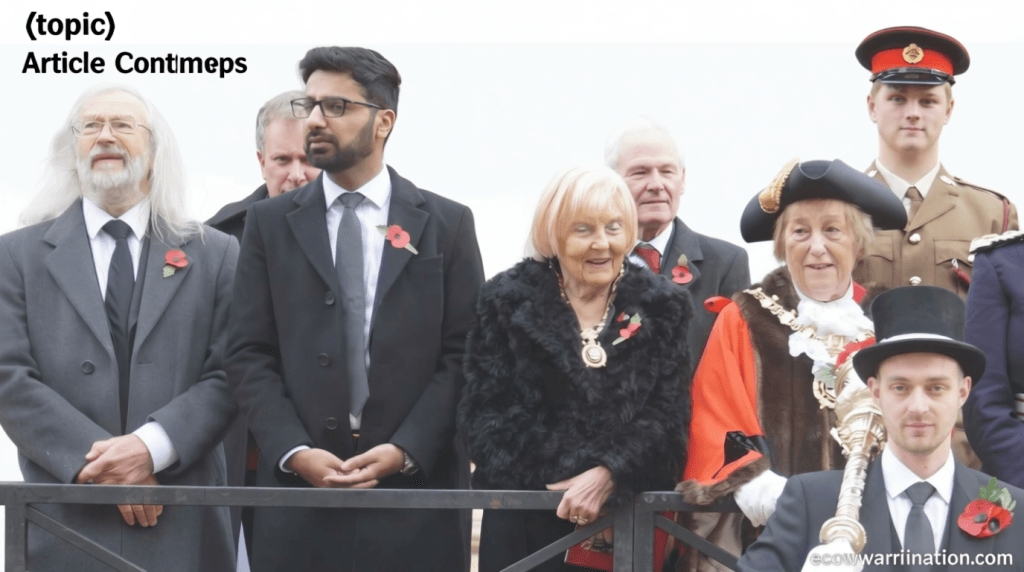
Exposed: The dirty campaign to paint Muslim MPs as anti-British
Politically, certain terms or phrases can unexpectedly gain traction. A notable case involved the phrase “weapons of mass destruction,” which surged in popularity during early 2003.
This term, initially framed as a precise concept, was widely accepted by the media. It lent credibility to the claims made by George W Bush and Tony Blair, which were used to justify the invasion of Iraq.
Following the invasion, it became clear that weapons of mass destruction were not as prevalent as once believed. Bush and Blair had strategically employed the term to provide a deceptive justification for an unlawful conflict.
It’s crucial to scrutinize when a new word enters public discourse. Questions arise: who introduced it, and what purpose does it serve? How does it align with the actual meaning it claims to represent?
The term’s evolution
Recently, the word “sectarian” has emerged as a potent label in British political conversations. Though not a new term, its use has shifted toward Muslim politicians, casting them in a negative light.
As defined by the Oxford English Dictionary, sectarianism refers to a “narrow-minded adherence to a particular sect,” often resulting in conflict with those holding differing views. Synonyms for this label include bigot, separatist, extremist, and intolerant.
Historically, the term described opposing groups in the Northern Irish conflict. However, over the past 18 months, it has been repurposed to frame Muslim political involvement as a threat.
British Muslim politicians are now seen as separatist, illegitimate, and dangerous. This perception portrays them not as active participants in democratic governance, but as outsiders disrupting the national narrative.
The campaign’s architects
The first recorded use of “sectarian” in this context appeared in a July 2024 parliamentary debate. During a speech, Tory peer Lord Godson warned about “rising extremism” and “explicitly communalist appeals.”
“Too many candidates in this month’s general election have sought to ride this sectarian tiger,” Godson cautioned.
Soon after, Tory politicians swiftly adopted the term to build a narrative portraying Muslim MPs as a menace. Robert Jenrick, a leader in the Tory leadership contest, later accused “sectarian gangs” of causing political unrest.
“Sectarian MPs have polluted our politics,” Jenrick stated in a Sun column.
Kemi Badenoch, his rival for the leadership, condemned MPs elected on “sectarian Islamist politics,” calling their ideas “alien” and “dangerous.”
Other figures, such as Nigel Farage of Reform UK, have similarly criticized “sectarian politics,” linking it to cultural shifts driven by Islamic influence.
The media’s role
Journalists have mirrored this discourse, amplifying the term’s reach. In a recent Spectator article, Douglas Murray claimed that Enoch Powell’s earlier warnings about racism were “understated.”
“If Powell had predicted that by the 2020s, significant numbers of Birmingham voters would support a Pakistani-born Muslim MP based on sectarian, racial, and religious lines, he would likely have been deemed certifiable,” Murray wrote.
Murray also linked the rise of “sectarian MPs” to their focus on Israel and Gaza, suggesting this was the primary driver of their electoral appeal.
This coordinated effort aims to stigmatize Muslim politicians as bigoted and anti-British. By redefining “sectarian,” the campaign paints them as a threat to the nation’s values and unity.
