
Iran vows to fight on in first message issued in name of Mojtaba Khamenei
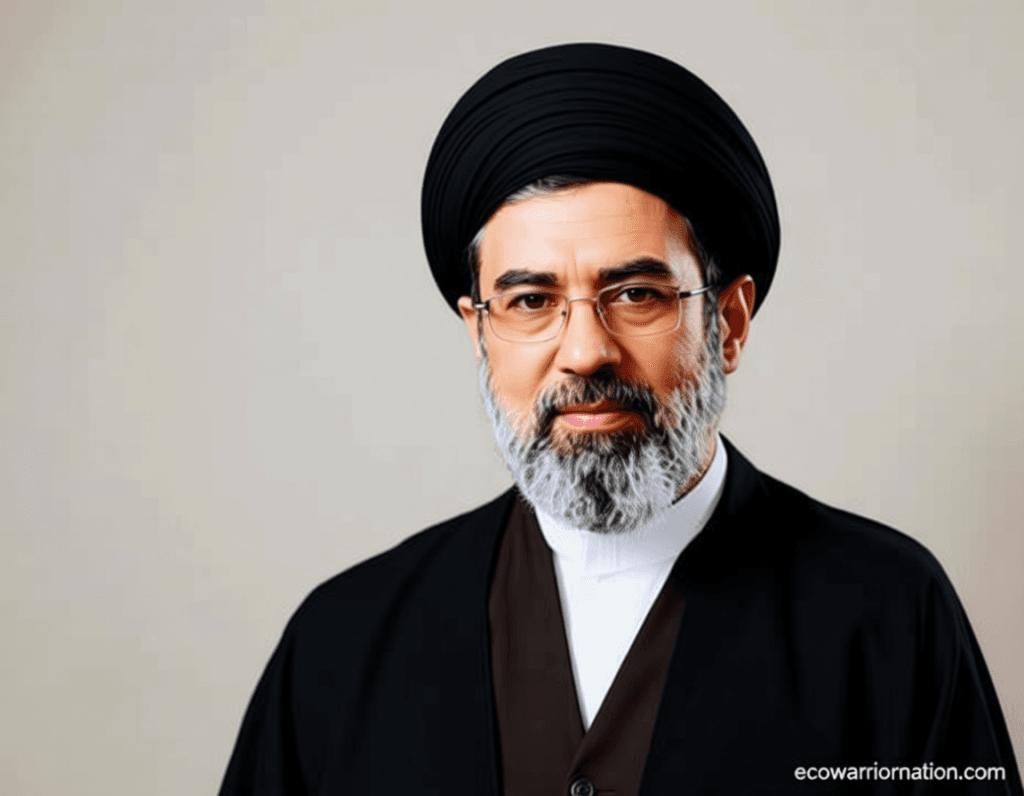
Iran vows to fight on in first message issued in name of Mojtaba Khamenei
On Thursday, Iran released its inaugural statement from the newly appointed supreme leader, Mojtaba Khamenei, declaring a commitment to maintain the closure of the Strait of Hormuz and persist in targeting US military installations across the region. The address, delivered via state television rather than live or video, has raised questions about its authenticity, as it fails to provide definitive proof of the young leader’s vitality following the deadly assault on his father’s compound.
Khamenei, 56, emphasized the necessity of holding the US accountable for its actions, stating that he would demand reparations for attacks. Should Washington refuse, he warned of escalating measures to dismantle its assets in proportion to the damages incurred. The message, however, has been scrutinized for its brevity on internal challenges, with the supreme leader focusing instead on the unity of the Iranian populace.
A Message of Resolve
“There must be no harm to the unity of the nation among the individuals and groups of the nation which usually becomes specially evident in times of hardship,”
Khamenei said, urging the dismissal of disagreements. He also highlighted the Iranian people’s steadfastness against external threats, noting their resilience had earned admiration from allies and shock from adversaries.
Despite his hardline reputation and ties to the Islamic Revolutionary Guards Corps, Khamenei refrained from elaborating on recent internal fractures. Instead, he reiterated confidence in the public’s support for Iran’s continued path of resistance.
Relations with Gulf Neighbors
Addressing tensions with Iran’s Gulf allies, the leader accused the US of establishing military and financial footholds in those nations over time. He stated that during the latest strike, some bases were utilized, but emphasized that Tehran had warned of this move without aggression toward the neighboring states.
“In the recent attack, some military bases were used, and naturally, as we had explicitly warned and without any aggression towards those countries, we only targeted those bases.”
Khamenei vowed to intensify such actions, while reaffirming the value of diplomatic ties. He urged Gulf leaders to “clarify their stance towards the aggressors of our dear homeland and the killers of our people,” suggesting they close US bases to secure their own interests.
Unlike President Masoud Pezeshkian, who had previously expressed regret over the damage to Gulf nations, Khamenei dismissed any apology, insisting Iran’s objectives were not to colonize or dominate. He argued that severing ties with Washington would empower regional leaders to strengthen their domestic bonds and economic fortunes.
Personal Reflections and Loss
Revealing a personal touch, Khamenei shared that he learned of his ascension through television. He acknowledged the challenge of assuming the role, while also citing the loss of loved ones in the US-Israeli strike. “Apart from my father, whose loss has become a public matter, I have lost my dear and loyal wife … my devoted sister who dedicated herself to serving our parents and ultimately received her due reward, her young child and the wife of another sister … to the caravan of martyrs,” he said.
Additionally, he mentioned visiting his father’s remains, though no funeral date has been announced. The message, though concise, underscores Khamenei’s determination to steer Iran through its current adversities.
