
Special forces base struck by swarm of drones amid fears Putin is helping Iran
Special forces base struck by swarm of drones amid fears Putin is helping Iran
UK military facility targeted in drone attack
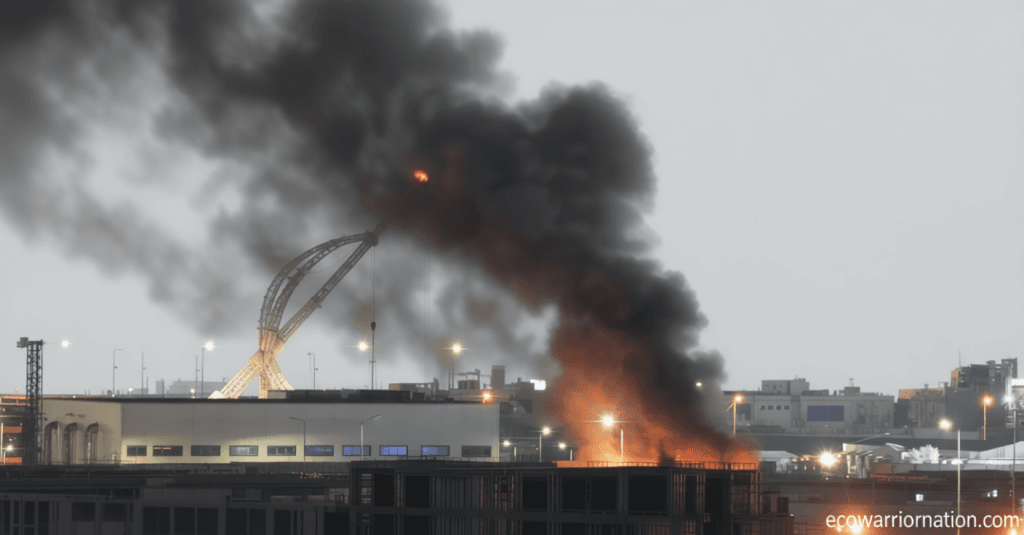
A drone assault targeted a UK Special Forces facility in Erbil, the capital of the Kurdistan region, during the early hours of Wednesday. The strike reportedly damaged the base and injured several US personnel, though British troops remained unscathed.
Brigadier Guy Foden, a UK military commander, confirmed that personnel stationed in Erbil were actively involved in safeguarding the base. He stated:
‘Our team in Erbil has been assisting in the protection of the site, but a number of drones still managed to reach the compound despite the efforts to intercept them.’
Although two unmanned aerial vehicles were successfully neutralized, others succeeded in penetrating the perimeter, according to The Sun. The attack has raised concerns about potential Russian collaboration with Iran, as some suggest Putin’s influence could be aiding Tehran’s military strategies.
Defence secretary highlights potential Russian-Iranian ties
Defence Secretary John Healey visited Northwood headquarters in Hertfordshire on Thursday to discuss the incident. Lieutenant General Nick Perry, commander of UK global operations, informed him of “definitively” observed connections between Russia and Iran, including the latter’s utilization of drone technology.
Healey later remarked on the investigation into the drone that damaged a hangar at Akrotiri:
‘We are currently examining the drone for any traces of foreign components, including those from Russia. While no conclusive evidence has been found yet, the possibility of Putin’s covert involvement in Iranian tactics is gaining traction.’
He noted that Putin’s regime has benefited from high global oil prices, further fueling speculation about the Kremlin’s role in supporting Iran’s aggressive actions.
Regional air patrols and defensive operations
Following the attack, the UK has intensified its aerial presence in the Middle East. RAF Typhoon and F-35B jets have conducted multiple defensive missions over Jordan, Qatar, and the UAE, with Voyager refueling aircraft supporting these efforts.
British pilots have logged over 300 operational hours since the incident, successfully engaging and downing several drones. A Counter-Uncrewed Aerial Systems unit also neutralized two aerial threats overnight, protecting civilian populations in the area.
Iran’s retaliation warnings and oil market impacts
Iran’s decision to warn ships against navigating the Strait of Hormuz came after US-Israeli strikes killed key figures in the country. This move has triggered a sharp rise in heating oil prices, doubling within a week.
Healey acknowledged the growing urgency of the situation, emphasizing the international stakes:
‘The reports of Iranian mining activities in the strait are now well-documented. The number of commercial vessels under threat underscores the need for a coordinated response to stabilize global energy markets.’
He added that while the release of reserve oil has eased immediate pressures, the issue remains critical for global economies.
Supreme Leader’s message of vengeance
The attack followed Ayatollah Mojtaba Khamenei’s first statement of retaliation since his father’s death in a US-Israeli strike. In a written address, he declared:
‘We will not hesitate to avenge the martyrs of our nation, ensuring every casualty inflicted by the enemy is addressed with unwavering resolve.’
Despite claims that Khamenei suffered a leg injury and abdominal trauma in the attack, some reports suggest he may be in a coma. His message, broadcast by Iranian state television, marked a significant escalation in Iran’s diplomatic stance.
