
Police to use Thames to separate protesters at Al Quds protest
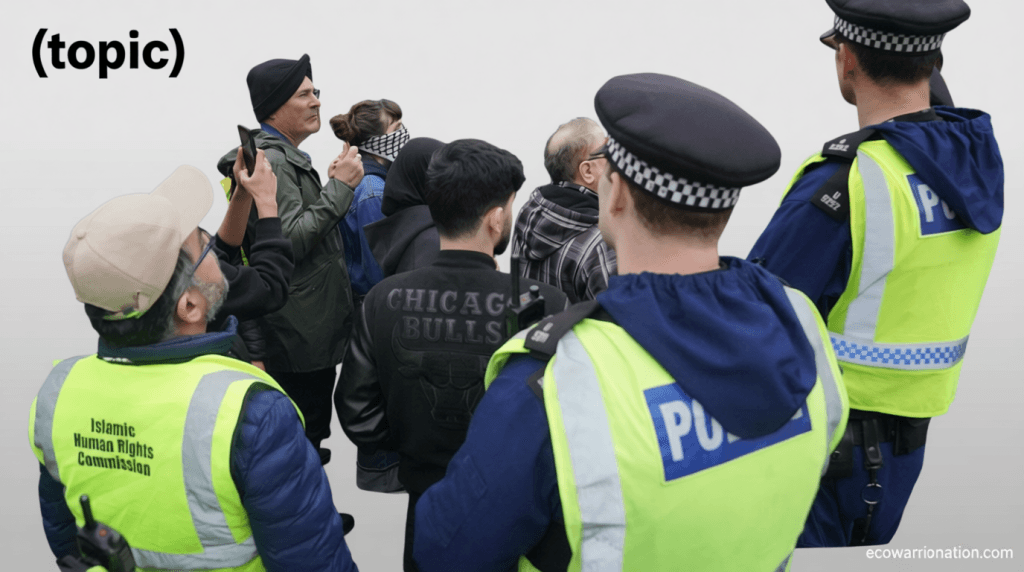
Metropolitan Police to Deploy Thames as Protest Separator at Al Quds Rally
The River Thames will serve as a physical barrier between demonstrators and opposing groups at the Al Quds Day rally in central London on Sunday, according to police plans. This strategy aims to manage tensions between attendees and counter-protesters.
Ban on the March
A planned demonstration heading to the Home Office was suspended earlier this week after Home Secretary Shabana Mahmood authorized the Metropolitan Police to halt it, citing concerns over potential serious public disorder.
“The organizers, the Islamic Human Rights Commission (IHRC), were ‘supportive of the Iranian regime’,” stated the Met. This marks the first instance in 14 years where a protest march has been blocked by the force.
Despite the ban, the IHRC has announced a “static” protest will proceed, describing it as a peaceful, pro-Palestinian gathering. They argue the decision was a “politically motivated move.”
Protest Tactic and Expectations
Assistant Commissioner Ade Adelekan outlined the use of the Thames as a “new bespoke tactic” during a Thursday briefing, emphasizing its role in addressing the “distinct challenges” posed by the Al Quds rally.
The Met anticipates a minimum of 6,000 participants at the protest, with an additional 6,000 counter-protesters. Officials warned the turnout could exceed these figures due to heightened regional tensions.
Protesters will gather south of the River Thames on Albert Embankment, while counter-protesters are to be confined to Millbank. Lambeth and Vauxhall Bridges will remain closed to all traffic, except for emergency vehicles.
Policing Strategy
Over 1,000 officers, including community police and personnel from other agencies, are deployed to oversee the event. Enhanced security measures will also target areas with significant Jewish populations across London.
“Officers will be instructed to act swiftly,” Adelekan said, noting they will monitor placards, flags, and chants as part of their response.
Adelekan reiterated the Met’s commitment to a “zero tolerance approach” against hate crimes, with individuals endorsing proscribed groups facing arrest.
While the ban and security actions do not entirely eliminate disorder risks, the Met believes they will simplify event management, as Adelekan explained: “It makes the protest ‘immeasurably easier to police’.”
Historical Context
The Al Quds Day tradition originated following the 1979 Iranian Revolution and is typically observed on the final Friday of Ramadan. Global demonstrations are held to express solidarity with Palestine, as highlighted by the IHRC.
The Met cited community tensions, historical protest patterns, and an “intelligence gap” among factors influencing its decision to request the ban.
