
Ministers warn petrol retailers over prices in meeting
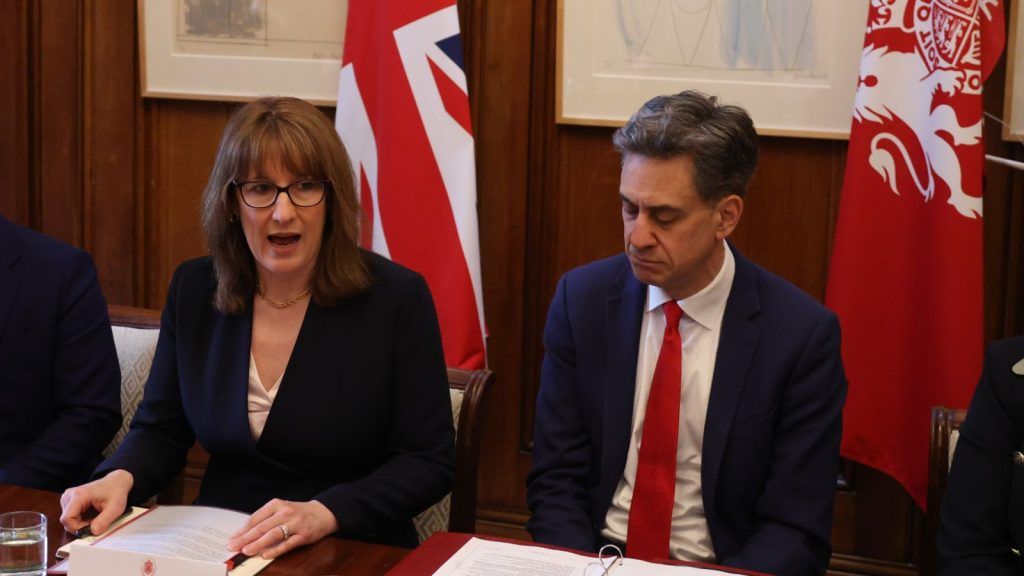
Ministers Warn Petrol Retailers Over Prices in Meeting
Chancellor Addresses Petrol Retailers
Chancellor Rachel Reeves addressed petrol retailers, emphasizing a “shared obligation” to maintain affordable prices for drivers amid escalating costs and the ongoing conflict in the Middle East.
Before the meeting, the Petrol Retailers Association (PRA) had threatened to withdraw from the Downing Street session with Ms Reeves and Energy Secretary Ed Miliband, citing “inflammatory language” used in prior discussions.
The PRA claimed that such rhetoric had led to a surge in abuse directed at staff at service stations. However, the meeting proceeded after the Treasury assured the group it would be largely private, with Gordon Balmer of the PRA stating the government had not apologized for its tone.
Government’s Stance on Fuel Pricing
During the gathering, Mr Miliband urged leaders of companies like Asda, BP, ExxonMobil, and Shell to avoid “unfair practices” within the industry.
The RAC noted that the average price for a litre of unleaded petrol had climbed by 8p since the crisis began, marking its highest level in 18 months. This meeting was called to address concerns about how the Middle East conflict was affecting household budgets.
Ms Reeves expressed gratitude for the retailers’ participation but called for an “open and frank conversation,” stating:
“We have concerns around the high prices, and we do have a shared obligation.”
Policy Decisions and Industry Response
Despite the discussions, the chancellor has not altered her plan to gradually remove a 5p reduction from fuel duty, beginning with a 1p increase in September.
According to the RAC, the average unleaded price has risen from 132.83p to 140.60p. Following the talks, Mr Balmer commented:
“The meeting went very well. We engaged in constructive discussion with the government on this, and we are working collaboratively with them.”
Official Summary and Future Measures
An official summary of the meeting highlighted that participants “agreed to continue working in the shared interest of motorists on this really important issue.”
Previously, Ms Reeves had requested the competition watchdog to target “rip-off” fuel prices, aiming to prevent profiteering amid high oil prices linked to the Iran war. The government has also committed to stepping in if companies engage in “unfair” practices affecting home heating oil costs, which are not covered by Ofgem’s energy price cap.
However, the AA cautioned that motorists would face unavoidable cost hikes due to global price trends and urged Ms Reeves to postpone the planned fuel duty increase.
