
As Iran war rages, Gulf neighbors worry about security
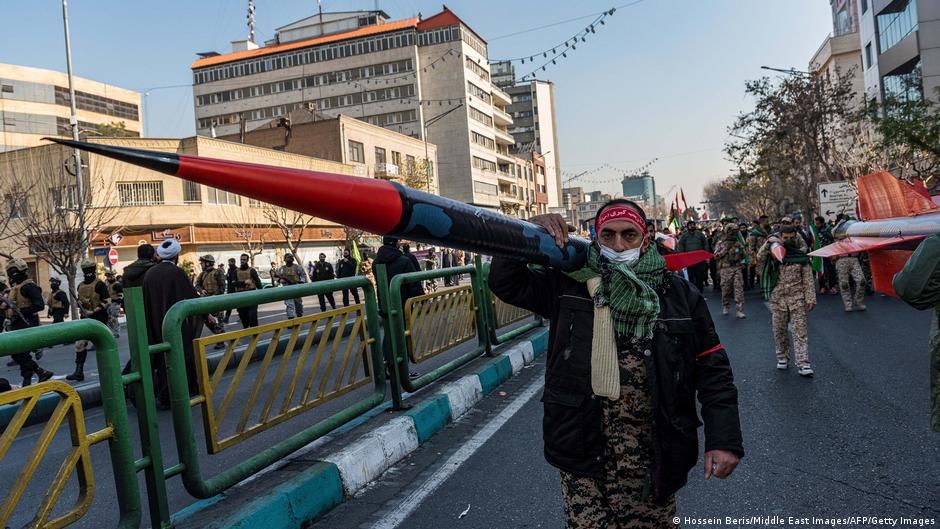
As Iran War Rages, Gulf Neighbors Worry About Security
With Israel and the United States persisting in their bombardment of Iran, and Iran countering with missile strikes across the region, analysts emphasize the urgent need for diplomatic engagement to conclude the escalating conflict. As the Israel-U.S. campaign against Iran reaches its second week, the implications for the Gulf region are significant. On Friday, Iran escalated tensions by launching attacks on Saudi Arabia and Bahrain, further complicating the geopolitical landscape.
Regional Coordination Amid Uncertainty
Philipp Dienstbier, head of the Gulf States regional program at the Konrad Adenauer Foundation based in Jordan, noted that the conflict has fostered a sense of unity among Gulf nations. “During the initial phase of the crisis, there was widespread support,” he stated, highlighting even former rivals expressing solidarity. He also pointed out that the threat from Iran necessitates collective efforts, suggesting potential for enhanced collaboration in areas like air and missile defense.
“The various capitals in the Gulf want to get a clear picture of the situation first,” said Sebastian Sons, a senior researcher at the Center for Applied Research in Partnership with the Orient.
Sons added that none of the Gulf states desire a prolonged conflict, as it undermines their economic foundations. “Attacks on energy infrastructure, airports, or water systems target the region’s economic lifelines,” he explained. This creates a delicate dilemma for Gulf nations, who must signal to Iran that critical thresholds have been crossed while remaining open to diplomatic solutions.
A Strategy of Stability and Diplomacy
Recent years have seen Gulf states adopt a broad diplomatic approach to maintain regional stability, engaging with both U.S. and Iranian actors. “The goal was to prevent the region from becoming a battleground by fostering dialogue,” Sons remarked. However, current events suggest this strategy has only partially succeeded, leaving Gulf leaders to navigate an increasingly precarious security environment.
“The Gulf states have deliberately maintained a balanced stance,” Dienstbier observed. “Saudi Arabia, for instance, has leaned toward deescalation, while Oman and Qatar have served as mediators.”
Despite these efforts, recent strikes have shaken the trust built over time. Even if the war concludes soon, Dienstbier warned, “It will be nearly impossible to revert to pre-conflict conditions.” The regional response to Iran’s actions has been mixed, reflecting both concern and cautious optimism.
Khamenei’s Role in Regional Dynamics
Iran’s new supreme leader, Mojtaba Khamenei, has vowed to keep the Strait of Hormuz closed, a move that underscores the strategic importance of the region. Sons noted that Gulf governments view Khamenei as a continuation of the existing leadership, rather than a radical shift. “He is seen as a representative of the established order, likely to follow his father’s policies,” Sons explained.
“Khamenei is considered someone aligned with the Revolutionary Guards and prepared as a successor within the system,” Dienstbier said. “No one in the Gulf anticipates a major policy overhaul under his leadership.”
While Khamenei’s tenure may bring continuity, his close ties to hardliners raise concerns. Nevertheless, Sons remains hopeful about restoring the previous balance. “His known stance and alignment with key institutions provide a basis for long-term political management,” he concluded.
To view this video please enable JavaScript, and consider upgrading to a web browser that supports HTML5 video
To view this video please enable JavaScript, and consider upgrading to a web browser that supports HTML5 video
