
England Star Refuses Thomas Partey Handshake in World Cup Encounter
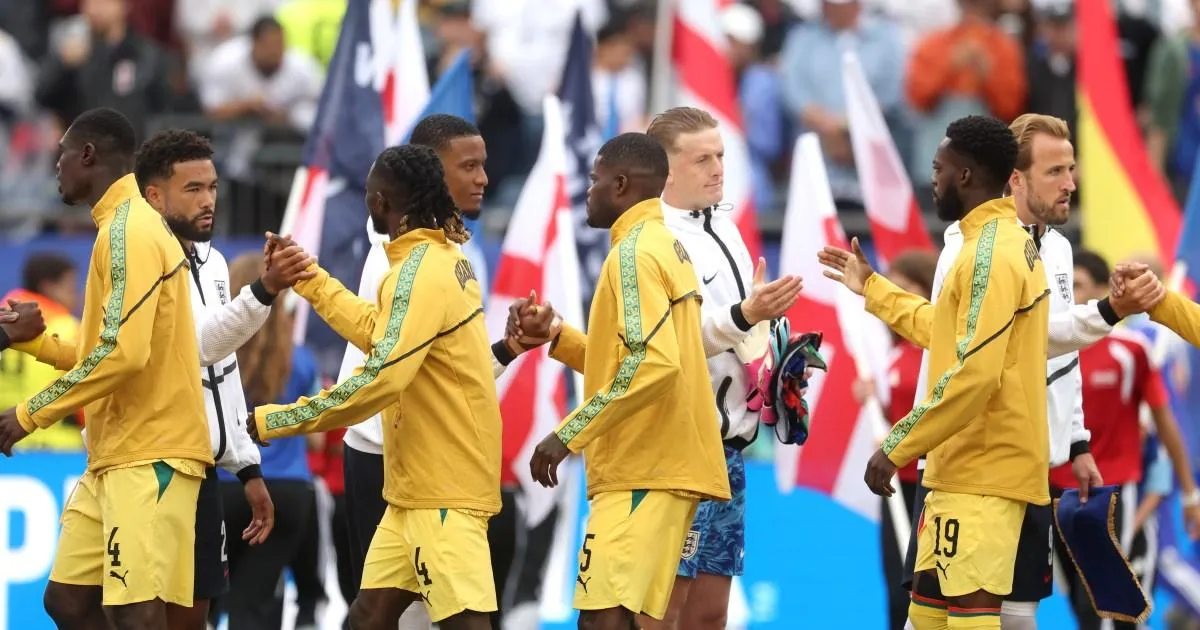
One England star appears to refuse – During a pre-match ritual at the World Cup in Boston, an English player was captured on camera seemingly avoiding a handshake with Thomas Partey moments before the team’s clash against Ghana. The moment, which sparked immediate speculation, occurred as the two squads prepared for the game, following the tradition of exchanging greetings after the national anthems. BBC footage highlighted the tense interaction, with the camera initially shifting focus away from the handshakes as the Ghana squad began walking down the England line.
By the time the cameras returned to the players, Thomas Partey had already moved down the line, leaving the England defender to stand alone. The video, shared widely on social media, appeared to show the Tottenham player refusing to extend his hand to Partey, an action that drew attention from fans and commentators alike. This gesture, though brief, underscored the growing tension surrounding the Ghana midfielder, whose personal controversies had been in the spotlight for months.
Thomas Partey, who joined Villarreal from Arsenal last summer, had been embroiled in legal issues since July 2026. The Metropolitan Police in London had charged him with five rape allegations and one sexual assault count, which were later expanded in February with two additional rape charges. Despite these accusations, Partey maintained his focus on the game, stating, “It’s part of football. Things happen outside football that you cannot control. For me now, I feel OK and ready to play.” His comments, delivered in a calm tone, reflected his determination to move past the recent scrutiny.
The incident raised questions about the role of personal conduct in international football and the pressure on players to maintain public image. England captain Harry Kane, among others, was seen shaking Partey’s hand, illustrating the team’s effort to show unity despite the tension. However, the refusal by one of the England defenders highlighted the divided opinions among fans, with some sections of the support booing the midfielder during the early stages of the match.
Partey’s absence from the Ghana squad’s opening game against Panama had also been a point of discussion, as he was denied a Canadian visa. This delay added to the narrative of his challenging situation, both on and off the pitch. While the Football Association had chosen not to provide specific guidance on the handshake issue, the incident became a focal point for discussions about how players handle personal matters during high-stakes tournaments.
As the World Cup progressed, the incident served as a reminder of the delicate balance between athletic performance and personal reputation. The handshake, a common gesture of camaraderie, now carried symbolic weight in this context. For Partey, the moment was a test of his ability to reconcile his on-field contributions with the off-field scrutiny. His presence in the match was a significant one, as he brought experience and tactical awareness to Ghana’s midfield.
The broader implications of the event extended beyond the immediate match. Fans and analysts debated whether such gestures could impact team dynamics or fan engagement. Social media platforms amplified the discussion, with some viewers criticizing the England defender for his stance while others defended his choice. The incident also reignited conversations about the role of media in shaping public perception of athletes, particularly during global events like the World Cup.
Despite the controversy, Partey’s performance on the pitch remained a key factor in Ghana’s strategy. His technical skills and leadership were evident as he navigated through England’s defense, though his early actions had left a lingering impression. The England team, aware of the pressure, worked to project a united front, with Kane’s participation in the handshake symbolizing a gesture of reconciliation.
As the game unfolded, the moment of the handshake became a subtle yet impactful part of the match’s narrative. It highlighted the human element of football, where personal events can influence the dynamics of a game. For the England players, the choice to engage or withdraw from the handshake was a microcosm of their broader approach to handling the challenges of the tournament. The incident also served as a case study for how teams manage players with personal issues, ensuring that such matters do not overshadow their sporting objectives.
The World Cup, known for its high stakes and emotional moments, continues to deliver such narratives. Whether through on-field action or off-field drama, each match adds to the tournament’s legacy. For Partey, the handshake refusal was a moment that could define his journey at the event, as he sought to prove himself both as a player and as an individual. The footage of the incident, while brief, captured the essence of the tournament’s blend of sportsmanship and personal challenges.
Looking ahead, the World Cup will likely continue to be a stage where such moments are dissected and analyzed. The FA’s decision to withhold specific guidance on the handshake issue reflected a broader strategy of allowing players to handle their own reputations. As the tournament progressed, the focus would remain on the performances of the teams, with incidents like this serving as reminders of the complex interplay between personal life and professional sport.
For fans, the incident added another layer of interest to the match, blending the excitement of competition with the intrigue of personal stories. The handshake, once a simple gesture, had transformed into a symbol of the tensions and triumphs that define the World Cup. As the game continued, the outcome would be judged not just by the scoreboard, but also by how players navigated the challenges of their respective roles in the tournament.
Key Facts
Thomas Partey, a 32-year-old midfielder, was charged with five rape counts and one sexual assault in July 2026. These charges were later increased in February with two additional rape allegations. Despite the legal proceedings, Partey remained a key player for Ghana, having joined Villarreal from Arsenal in 2026. He missed the team’s match against Panama due to visa complications, adding to the scrutiny surrounding his participation in the World Cup.
The incident occurred during a pre-match handshake between England and Ghana teams in Boston, with the English defender seemingly refusing to shake Partey’s hand. This moment, captured by BBC cameras, sparked immediate reactions from fans and analysts. While some English players, including Harry Kane, engaged in the handshake, the refusal by one defender highlighted the divided opinions about how to handle the situation.
The World Cup has always been a platform for both athletic excellence and personal drama. This incident exemplifies the challenges players face in maintaining their public image while competing at the highest level. As the tournament continues, such moments will remain a part of the narrative, reflecting the human stories behind the sport.
“It’s part of football. Things happen outside football that you cannot control. For me now, I feel OK and ready to play.” – Thomas Partey
Partey’s comments underscored his resolve to move forward, emphasizing that his personal challenges should not detract from his professional capabilities. The handshake refusal, though a single moment, symbolized the broader themes of the World Cup: resilience, unity, and the interplay of public perception with athletic performance. As the tournament progresses, the story of Partey and the England defender will be remembered as a pivotal moment in the competition’s history.
The World Cup’s atmosphere is often defined by such dramatic episodes, where the pressure of representing a nation can lead to unexpected gestures. This event, occurring just before a crucial match, added a layer of intrigue to the game. Whether the handshake refusal was intentional or a fleeting moment of hesitation, it captured the attention of fans worldwide and became a talking point in the buildup to the match.
In conclusion, the incident serves as a reminder of the multifaceted nature of football. While the game is a showcase of skill and strategy, it is also a stage for personal stories and public scrutiny. Thomas Partey’s experience with the Ghana team, his transfer to Villarreal, and the charges against him all contributed to the moment of tension captured on camera. The handshake, a small gesture, became a symbol of the larger narrative at play, as players navigate their roles both on and off the pitch.
Everything you need to know about the World Cup – England updates, the games to watch and stories you missed – in five minutes, at 1pm, every day. This site is protected by reCAPTCHA and the Google Privacy Policy and Terms of Service apply. Your information will be used in line with our Privacy Policy.