
With the US pressuring Cuba, a Castro known as ‘the Crab’ is making appearances. Here’s why it matters
With the US pressuring Cuba, a Castro known as ‘the Crab’ is making appearances. Here’s why it matters
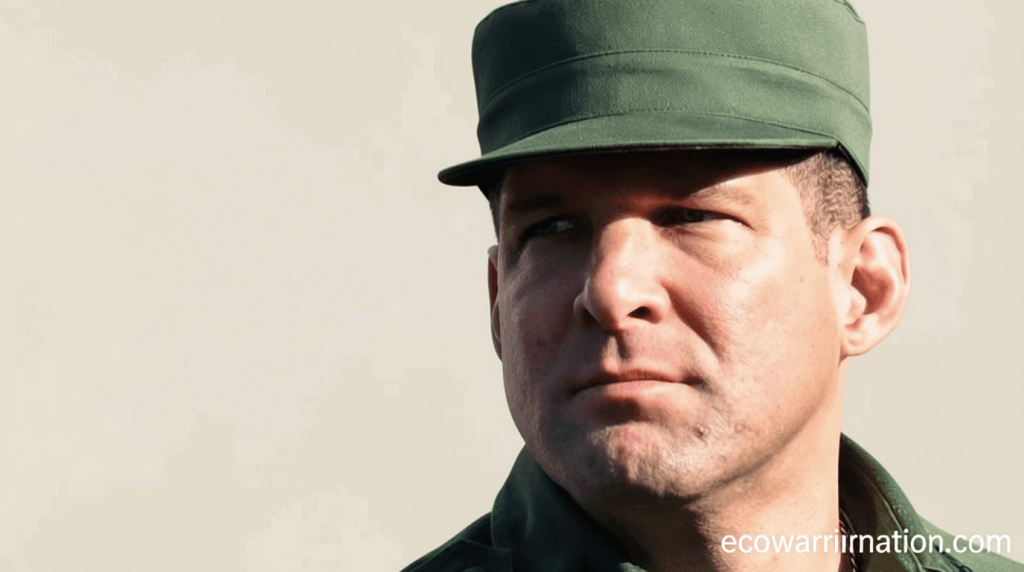
Grandson of Raúl Castro Steps into Spotlight
On Friday, Raúl Guillermo Rodríguez Castro, the grandson of former Cuban President Raúl Castro, emerged publicly for the first time alongside current leader Miguel Díaz-Canel at two events. Analysts are now questioning his emerging role in the country’s political landscape, especially as the United States intensifies efforts to push for regime change in Havana.
Castro, affectionately called “el Cangrejo” or “the Crab,” joined Díaz-Canel in a meeting with Communist Party leaders and the Council of Ministers. Later, he participated in a press conference where the president outlined Cuba’s social and economic challenges, including ongoing negotiations with the U.S. to ease the decades-long sanctions that have strained the nation’s economy.
US Strategy and Cuba’s Vulnerabilities
Cuba’s communist government, already weakened by sanctions and economic mismanagement, faces its most critical moment in years. The country is nearing a humanitarian crisis, marked by widespread power outages, hospital delays, fuel shortages, and a shrinking tourism sector. These issues have been compounded by the U.S. operation in January that targeted Venezuelan President Nicolás Maduro, a key ally of Cuba.
By removing Maduro, Washington aimed to cut off a major source of subsidized oil to Cuba. This move is part of a larger plan to undermine Havana’s leadership, as the U.S. now blocks Venezuela from supplying oil to the island. The attack also highlighted Cuba’s vulnerabilities, with U.S. forces capturing Maduro and killing several Cuban security personnel without suffering losses themselves.
Family Ties and Political Ambitions
Rodríguez Castro, 41, is the son of Débora Castro Espín, one of Raúl Castro’s daughters, and Luis Alberto Rodríguez López-Calleja, a former military commander. His father oversaw GAESA, a state-controlled conglomerate, and was a close confidant of the former president, as noted by the Associated Press.
“Raúl Guillermo, ‘el Cangrejo,’ became head of Raúl’s personal guard during his presidency,” said Sebastián Arcos, director of the Cuban Research Institute at Florida International University. “Eventually, he led the Cuban equivalent of the Secret Service.”
Rodríguez Castro is also a grand-nephew of Fidel Castro, the revolutionary leader who ruled Cuba from 1976 to 2008. His grandfather, Raúl Castro, stepped down due to health issues in 2008 and passed away in 2016. The younger Castro has gained recognition under the nickname “Raulito,” meaning “Little Raúl,” a term used by Cubans in media and public discourse.
Experts Weigh In on Cuba’s Political Shift
International relations expert Fausto Pretelin highlighted that Rodríguez Castro has no established record within the Communist Party. Diana Correa, director of the international relations program at Tecnológico de Monterrey, noted that his public appearances could signal a shift in Cuba’s leadership structure, particularly as the U.S. seeks to influence rival factions.
Reports suggest the U.S. has been engaging in secret talks with Cuban figures, mirroring its earlier interactions with Venezuelan elites. These meetings, which bypassed formal government channels, have fueled speculation that Rodríguez Castro may be positioning himself as a potential successor. CNN has not confirmed these claims with the Cuban or U.S. governments, but the situation remains a focal point for analysts and citizens alike.
