
US wants help to guard Strait of Hormuz, but EU is not keen
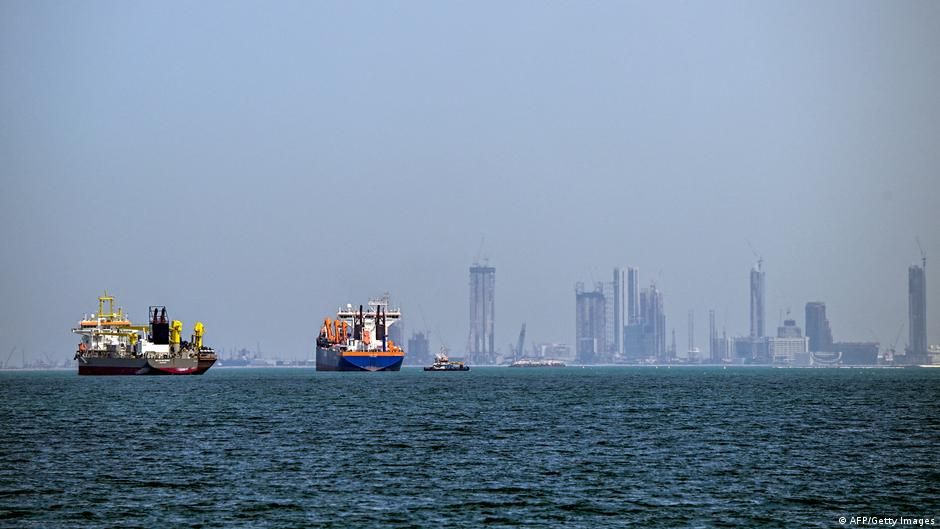
US Seeks European Support for Hormuz Protection, but EU Hesitates
Donald Trump has intensified his efforts to persuade European nations to assist in securing the Strait of Hormuz, a critical chokepoint for global oil flow. Meanwhile, Russia is benefiting from the surge in energy prices, which is harming Ukraine and its European allies. At today’s gathering of EU foreign affairs ministers in Brussels, Trump’s insistence on European collaboration to guard oil and gas tankers through the strait dominated discussions.
Despite the strategic importance of the strait, some EU members have shown reluctance to involve NATO in its defense. The waterway, which accounts for roughly 20% of the world’s crude oil supply, was recently disrupted by Iran in response to the US-Israeli military campaign. Charles Hecker, an expert at the Royal United Services Institute, noted that European countries are hesitant to send troops, fearing they would become targets for Iranian attacks.
“Europeans are unwilling to deploy forces to secure the strait because it increases their exposure as potential targets for Iran,” Hecker explained to DW.
EU top diplomat Kaja Kallas emphasized the bloc’s interest in maintaining the strait’s openness, stating that European nations are exploring ways to contribute from their own capacity. While she mentioned ongoing talks with US officials at various levels, she concluded that member states lacked enthusiasm to expand the EU’s maritime mission to the region, at least for the time being.
Rising energy prices across Europe have strained relations with Washington, complicating the alliance’s dynamics. The conflict in the Persian Gulf could also bolster Russia, allowing it to redirect profits from fossil fuel exports to sustain its war in Ukraine. “The only real winner in the war on Iran is Russia,” Hecker observed.
On Sunday, Trump escalated pressure on countries reliant on Hormuz for energy, accusing them of not doing enough to ensure the waterway’s safety. “Those who benefit from the strait should take responsibility for its protection,” he stated during an interview with The Financial Times.
“If there’s no response, or a negative one, it could harm NATO’s future,” Trump warned, suggesting a potential showdown over the alliance’s role.
France, however, has shown more openness. President Emmanuel Macron indicated willingness to support the strait’s security after the initial phase of the conflict subsides. Germany’s Foreign Minister Johann Wadephul echoed the EU’s cautious approach, stating that NATO has not yet decided to take charge of the mission and that European nations expect clarity on US and Israeli strategies before committing.
The economic toll of the blockade has already been significant. EU Commission President Ursula von der Leyen highlighted that energy costs have skyrocketed, with gas prices climbing 50% and oil prices rising 27% since the conflict began. She noted that European taxpayers have spent an additional €3 billion on fossil fuel imports in just 10 days of the war.
