
UK security adviser attended US-Iran talks and judged deal was within reach
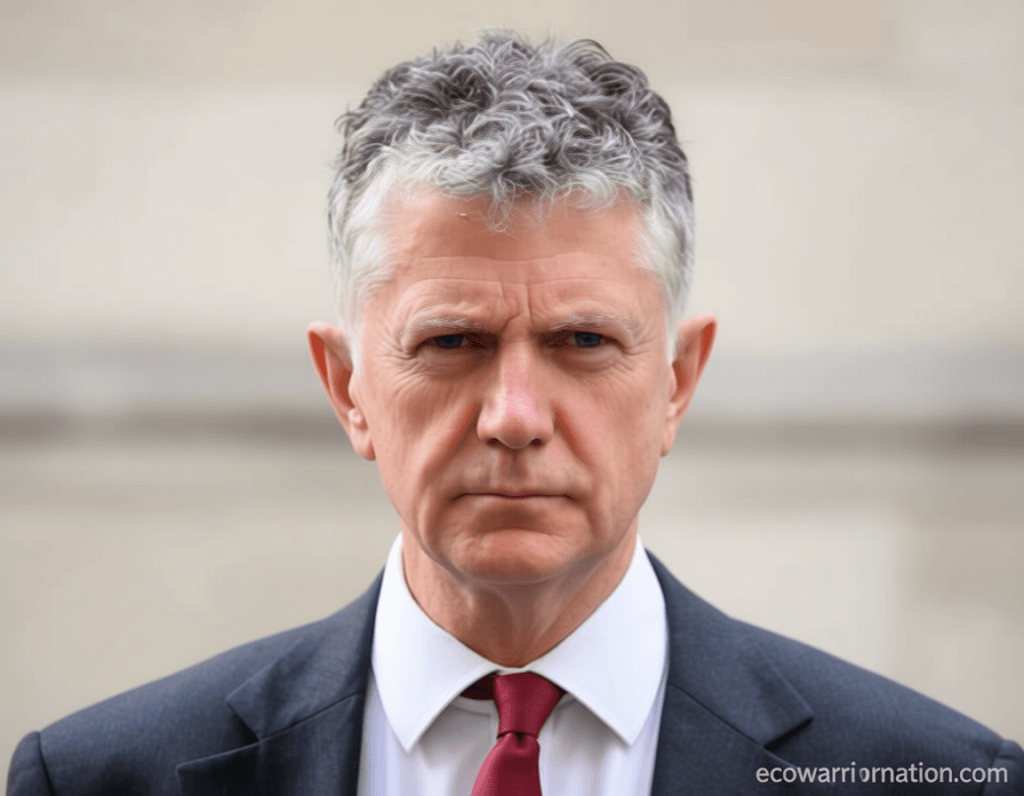
UK Diplomat’s Presence at US-Iran Talks Influenced Stance on Attack Decision
The Guardian has uncovered that Jonathan Powell, the UK’s national security adviser, participated in the concluding discussions between the US and Iran, concluding the agreement Tehran presented on its nuclear programme was substantial enough to avoid an immediate military escalation. According to sources, Powell believed progress had been achieved in Geneva by late February, with Iran’s offer described as “surprising” by those involved.
Three sources confirmed Powell’s involvement in the talks, noting his role as an adviser at Oman’s ambassadorial residence in Cologny, Geneva. This setting highlights concerns about the US team’s expertise, particularly the presence of Jared Kushner, Donald Trump’s son-in-law, and Steve Witkoff, the special envoy. While Kushner claimed to have “a pretty deep understanding of the issues that matter in this,” nuclear experts later pointed out significant errors in Witkoff’s analysis of the Iran nuclear programme.
“Jonathan thought there was a deal to be done, but Iran were not quite there yet, especially on the issue of UN inspections of its nuclear sites.”
A former official, briefed by participants, remarked: “The UK team was taken aback by what the Iranians proposed. It wasn’t a complete deal, but it was progress and unlikely to be their final offer. The British team expected the next round of negotiations to proceed on the foundation of Geneva’s advancements.”
However, the planned Vienna talks on March 2nd never materialized. Two days prior, the US and Israel carried out an attack on Iran. Powell’s attendance at both the Geneva talks and earlier meetings in the Swiss city partly explains the UK government’s hesitance to endorse the assault, straining the UK-US relationship. Officials stated they found no clear evidence of an imminent Iranian missile threat to Europe or of Iran acquiring a nuclear weapon.
It was the first time the UK’s deep engagement in the negotiations became apparent, giving them grounds to assess whether diplomatic avenues had been exhausted. Powell believed a negotiated resolution was still viable, viewing the attack as unlawful and premature. Downing Street has not commented on Powell’s involvement or his evaluation of the talks.
Keir Starmer has faced repeated criticism from Trump for not backing the US attack, including for initially blocking American use of British military bases and later permitting them only for defensive purposes after Iran targeted UK allies in the Gulf. Trump warned that European NATO members could suffer if they fail to support opening the Strait of Hormuz, a demand the UK has refused.
The indirect Geneva talks were mediated by Oman’s foreign minister, Badr bin Hamad Al Busaidi. Gulf diplomats did not clarify the basis for Powell’s access to the discussions, though his long-standing ties with the US, including his role as Tony Blair’s chief of staff, likely played a part. UK officials later noted admiration for Iran’s readiness to commit to a permanent agreement, unlike the 2015 deal, which included sunset clauses limiting restrictions on its nuclear programme. Iran also agreed to down-blend a 400kg stockpile of highly enriched uranium under the terms of the proposal.
