
The US-Israeli war on Iran is founded on two huge mistakes
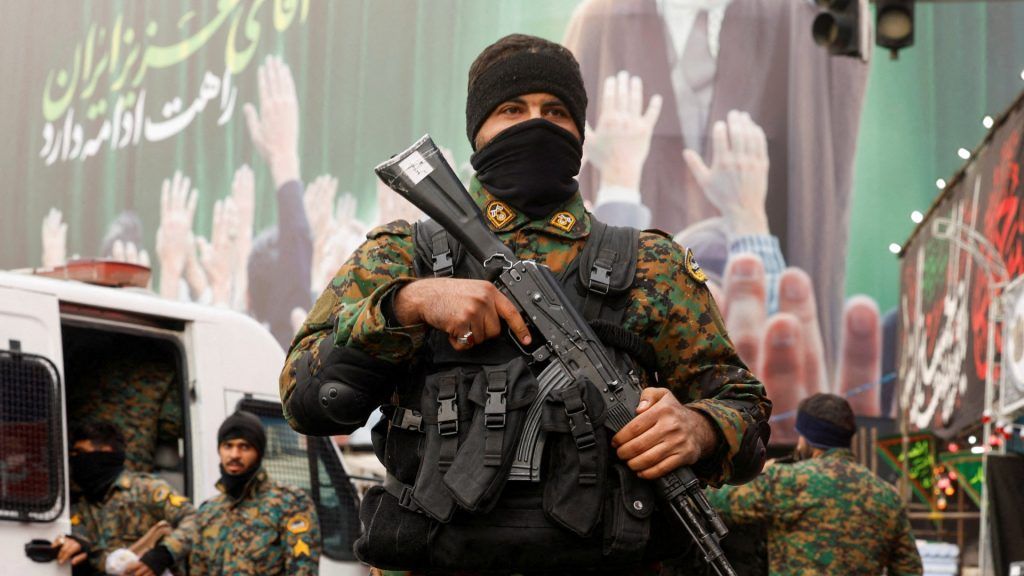
The US-Israeli Conflict with Iran Rests on Two Major Misjudgments
Over two weeks after the Israeli and American forces launched an assault on Iran, the campaign’s foundation appears to be rooted in two significant errors. The initial strikes, described by US Secretary of War Pete Hegseth as “death and destruction from the sky all day long,” have not yet delivered the expected outcomes.
American and Israeli Missteps
The first error stems from America’s miscalculation about Iran’s vulnerability, while the second reflects Israel’s flawed assessment of Hezbollah’s role. Israeli Prime Minister Benjamin Netanyahu, in a televised address following the conflict, claimed that swift action was crucial to prevent Iran’s “industries of death” from becoming untouchable.
“If we had not acted immediately, within a few months Iran’s industries of death would have become immune to any strike,” Netanyahu stated.
Netanyahu asserted that the attack would create favorable conditions for the Iranian populace to rise against its regime, aiming for regime change. US President Donald Trump echoed this sentiment, suggesting his involvement had averted a nuclear confrontation.
“If we didn’t do it, they were going to attack first,” Trump told reporters.
Despite these assurances, the war’s goal seems to have remained regime change, driven by Netanyahu’s long-standing fixation on Iran. The attack was framed as a joint effort, with Israel relying on American support to achieve its ambitions.
The Illusion of Weakness
Events since October 2023 had led both nations to believe Iran was on the brink of collapse. Hamas and Hezbollah faced major setbacks, and Syria’s government shifted to an anti-Iranian administration. These developments, combined with protests in Iran and subsequent crackdowns, created the perception of a vulnerable regime.
However, the 12-day war in June 2025, which Israel called a “historic victory,” only marginally reduced Iran’s capacity to strike. Netanyahu declared that the Islamic Republic’s threats to Israel—nuclear weapons and 20,000 ballistic missiles—had been neutralized. Yet, Iran’s nuclear and missile programs remain intact, with the country continuing to retaliate effectively.
Following the attack, Iran swiftly replaced its supreme leader, Ayatollah Ali Khamenei, with his son Mojtaba Khamenei. This move signals the resilience of the system, contradicting the notion of a looming collapse. Meanwhile, Iran has launched attacks on Gulf states and Israel, inflicting damage and killing US personnel, potentially destabilizing the region.
A Reckoning for American Hegemony
The Iranian response challenges US dominance in the Middle East. If the regime withstands the assault, it marks a decisive blow to American influence, proving that even with the combined power of two formidable militaries, regime change remains elusive.
