
Eco-Friendly Transportation: The Key to a Greener Future

The Environmental Impact of Traditional Transportation
Traditional transportation systems have long been a major contributor to environmental degradation. Vehicles powered by fossil fuels emit greenhouse gases, which are a leading cause of climate change. The reliance on cars, buses, and airplanes also leads to air and noise pollution, harming both human health and ecosystems. As cities grow and traffic increases, the need for sustainable alternatives becomes more urgent. Transitioning to eco-friendly transportation is not just an option but a necessity to reduce carbon footprints and preserve natural resources.
Transportation accounts for nearly a quarter of global carbon emissions, making it a critical sector for environmental improvement. The combustion of diesel and gasoline in vehicles releases carbon dioxide, nitrogen oxides, and particulate matter, which contribute to smog and respiratory diseases. Moreover, the extraction and processing of fossil fuels for transportation fuel further strain the environment. These issues highlight why adopting eco-friendly transportation solutions is essential for creating a more sustainable future.
The Rise of Sustainable Mobility Options
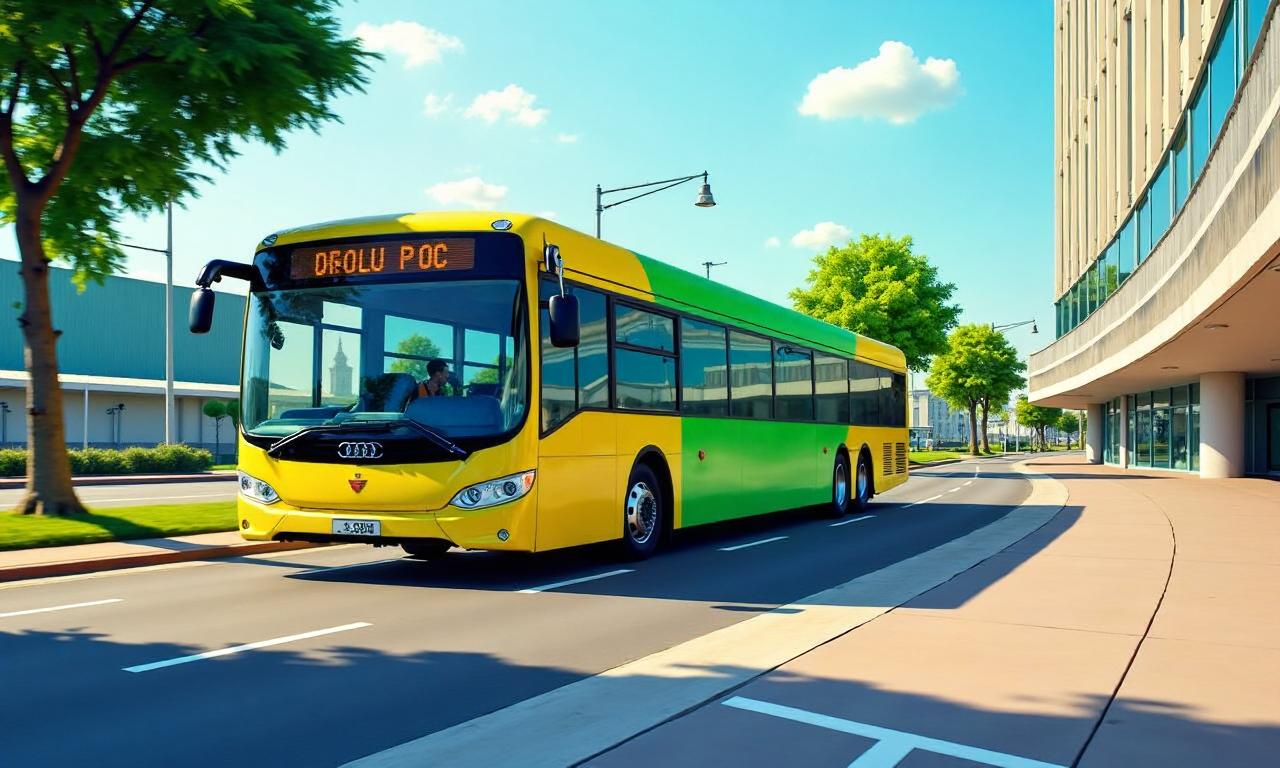
In recent years, eco-friendly transportation has gained significant traction as a viable alternative to conventional modes. Electric vehicles (EVs), hybrid cars, and public transit systems are now widely available and increasingly popular. For instance, buses and trains powered by renewable energy offer efficient, low-emission travel for large groups. Additionally, bicycles and electric scooters are becoming common in urban areas, promoting physical activity while reducing traffic congestion.
Beyond personal vehicles, eco-friendly transportation also includes innovations like shared mobility services and bike-sharing programs. These solutions help minimize the number of individual cars on the road, cutting down fuel consumption and emissions. Moreover, advancements in renewable energy and battery technology have made these alternatives more accessible and cost-effective. As a result, many cities are investing in infrastructure to support these green modes of transport.
Benefits of Eco-Friendly Transportation for the Planet
Switching to eco-friendly transportation offers numerous environmental and economic benefits. It significantly reduces air pollution, which improves urban air quality and public health. Cleaner transportation also decreases noise pollution, creating more peaceful living environments. Furthermore, eco-friendly transportation conserves fossil fuels, reducing dependence on non-renewable energy sources and lowering the risk of resource depletion.
Sustainable transport solutions also help combat climate change by lowering carbon emissions. For example, electric buses and trains emit far less CO2 per passenger than traditional vehicles. Additionally, promoting walking and cycling reduces the need for car ownership, which in turn lowers the overall demand for energy and infrastructure. These benefits make eco-friendly transportation a cornerstone of environmental conservation efforts.
Challenges in Widespread Adoption of Eco-Friendly Transportation
Despite its advantages, implementing eco-friendly transportation faces several challenges. One major obstacle is the high initial cost of electric vehicles and renewable energy infrastructure. Many consumers and governments hesitate to invest in these systems due to budget constraints. Another issue is the lack of public awareness about the long-term savings and environmental impact of sustainable transport.
Additionally, logistical and infrastructural barriers hinder the adoption of eco-friendly transportation. For example, limited charging stations for EVs and inadequate public transit networks in rural areas make it difficult for people to transition seamlessly. Climate and weather conditions can also affect the efficiency of certain green options, such as solar-powered vehicles or bike-sharing programs. Overcoming these challenges requires collaboration between policymakers, businesses, and communities.
Government Policies and Incentives for Eco-Friendly Transportation
Governments play a crucial role in promoting eco-friendly transportation through policies and incentives. Tax breaks, subsidies, and grants for electric vehicle purchases have encouraged widespread adoption in many countries. For instance, some nations offer reduced registration fees or free parking for EVs to offset their higher upfront costs. These measures make sustainable options more affordable and appealing to the public.
Public investment in renewable energy and infrastructure also supports the growth of eco-friendly transportation. Governments can fund the development of charging stations, expand bike lanes, and improve public transit systems to create a more integrated and accessible network. Additionally, regulations mandating lower emissions from transportation sectors push industries toward greener practices. These efforts collectively drive the transition to a more sustainable mobility model.
Technological Innovations Driving Change
Technological advancements are revolutionizing eco-friendly transportation and making it more efficient and practical. Innovations like hydrogen fuel cells, autonomous vehicles, and smart traffic systems are enhancing the sustainability of mobility solutions. For example, hydrogen-powered buses produce zero emissions and can be refueled quickly, making them a promising alternative to diesel vehicles.
Moreover, data-driven approaches and digital tools are optimizing eco-friendly transportation. Apps that provide real-time public transit updates, carpooling platforms, and route optimization software help reduce energy waste and improve accessibility. These innovations not only make sustainable transport more convenient but also encourage long-term behavioral changes among commuters and businesses.
The Role of Community and Individual Action
Community initiatives and individual choices are equally important in advancing eco-friendly transportation. Local governments can organize car-free days, promote pedestrian zones, and create green corridors to encourage sustainable travel habits. Meanwhile, individuals can reduce their environmental impact by choosing public transit, carpooling, or electric bikes for daily commutes.
Educational campaigns and incentives for eco-conscious behavior further support the shift. Schools and workplaces can implement bike-friendly policies or offer discounts on public transport passes to motivate participation. By fostering a culture of sustainability, both communities and individuals contribute to the success of eco-friendly transportation programs.
How to Integrate Eco-Friendly Transportation into Daily Life
Integrating eco-friendly transportation into daily routines requires a combination of planning and commitment. Prioritizing walking, cycling, or public transit for short trips can significantly reduce one’s carbon footprint. For longer distances, opting for electric or hybrid vehicles instead of traditional gasoline cars is a practical step. Additionally, using carpooling apps or ride-sharing services helps minimize the number of vehicles on the road.
Businesses also have a role to play in promoting sustainable transport. Companies can offer flexible work hours to reduce peak-time traffic, provide electric vehicle charging stations, or implement remote work policies. These small but impactful changes demonstrate how collective action can drive environmental progress. By making conscious choices, individuals and organizations contribute to a healthier planet.
The Future of Eco-Friendly Transportation
The future of eco-friendly transportation is bright, with ongoing research and development pushing the boundaries of sustainability. Emerging technologies such as solar-powered trains, biofuel alternatives, and smart mobility networks are set to transform how we travel. These innovations not only reduce environmental harm but also improve efficiency and convenience for users.
As global awareness of climate change grows, demand for eco-friendly solutions is expected to increase. Governments, businesses, and individuals are all working toward a future where clean and sustainable transport is the norm. By embracing these changes, society can achieve significant reductions in emissions and pave the way for a more environmentally responsible world.
FAQ
Q: What are the main benefits of eco-friendly transportation? A: Eco-friendly transportation reduces air and noise pollution, lowers carbon emissions, and conserves fossil fuels, contributing to a healthier environment and sustainable urban development.
Q: How can individuals support eco-friendly transportation? A: Individuals can support eco-friendly transportation by using public transit, carpooling, biking, or walking, and by choosing electric or hybrid vehicles for personal transport.
Q: Are there government incentives for adopting eco-friendly transportation? A: Yes, many governments offer tax breaks, subsidies, and grants to encourage the use of eco-friendly transportation, such as electric vehicles and renewable energy-powered public transit.
Q: What challenges do eco-friendly transportation systems face? A: Challenges include high initial costs, limited infrastructure, and the need for public awareness, but these can be overcome through policy support and community efforts.
Q: Can eco-friendly transportation be affordable for everyone? A: While upfront costs may be higher, long-term savings on fuel and maintenance, combined with government incentives, make eco-friendly transportation accessible and cost-effective for most people.
