
Syria walks back Damascus alcohol ban after outcry from residents
Syria walks back Damascus alcohol ban after outcry from residents
Reversal of Alcohol Ban in Damascus
Syrian officials have rescinded a previous decree restricting alcohol sales in Damascus, following public backlash and claims of religious bias. The initial directive, announced on Monday, had targeted restaurants and nightclubs across the city, except for the Christian districts of Bab Touma, Qassaa, and Bab Sharqi.
Initial Announcement and Exceptions
The measure was justified as a means to “eliminate practices contrary to public morals,” with authorities citing “numerous” complaints from locals. However, residents quickly protested, prompting the governorate to issue a clarification that eased the restrictions.
The updated statement permitted alcohol sales for tourism-related activities, such as in hotels and designated venues. It also expressed regret for singling out Christian communities, acknowledging the perception of sectarianism.
“The Damascus Governorate apologises to our people in Bab Touma, Qassaa, and Bab Sharqi for the misunderstanding that arose from the decision, which was circulated inappropriately,” the statement said.
Context of the Transitional Government
Since ousting Bashar al-Assad in December 2024, the current administration under President Ahmed al-Sharaa has generally avoided imposing strict social rules. Yet, recent policies like banning female public sector workers from wearing makeup and enforcing full-body swimsuits on beaches have stirred debate about shifting priorities.
Community Reactions and Protests
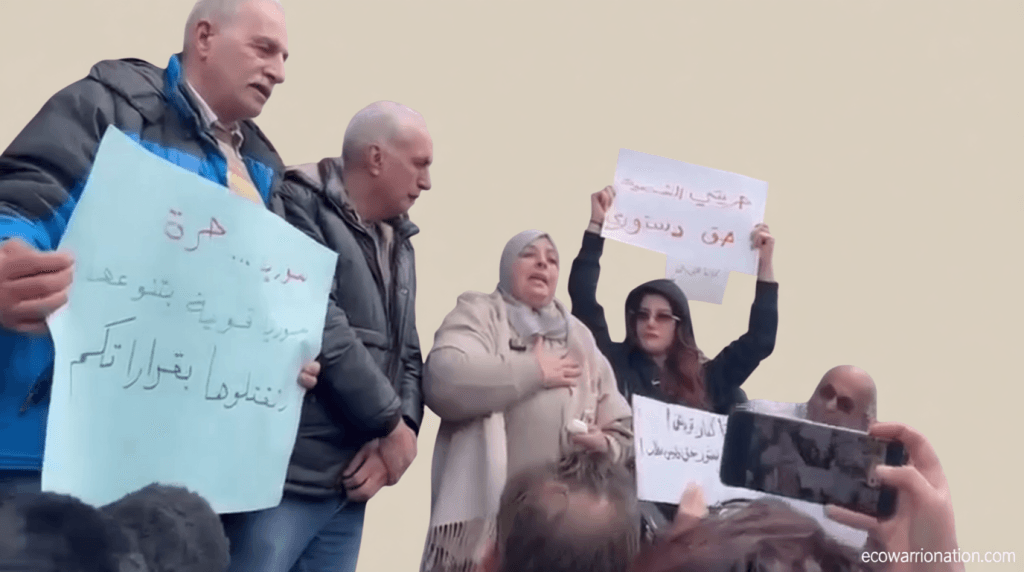
Residents of Bab Touma organized demonstrations against multiple grievances, including the alcohol restrictions. Protesters, comprising both Muslims and Christians, argued the measure was “sectarian” and jeopardized unity among communities.
Christian advocacy groups also voiced concerns, issuing a joint letter. They warned that targeting their areas for alcohol sales could expose them to heightened risks, citing historical attacks on Christians in Syria.
“Restricting the sale of alcohol to predominantly Christian areas could make these regions direct targets for terrorist assaults,” the letter stated.
Political Challenges and Electoral Process
The transitional authorities face ongoing challenges in managing internal unrest, external threats from Israel, and diplomatic tensions with former allies and adversaries. In October, parliamentary elections were held, with Sharaa personally selecting a third of the seats while the rest were allocated through local committees.
This process left the Druze-majority Sweida province and the Kurdish-held northeast without representation, as their 32 seats remained unfilled. The temporary constitution, introduced in March, stipulates that the parliament will handle legislative duties until a permanent framework is established, with elections slated for the end of a five-year transition period.
