
In Iran, hope gives way to fear as conflict rages on
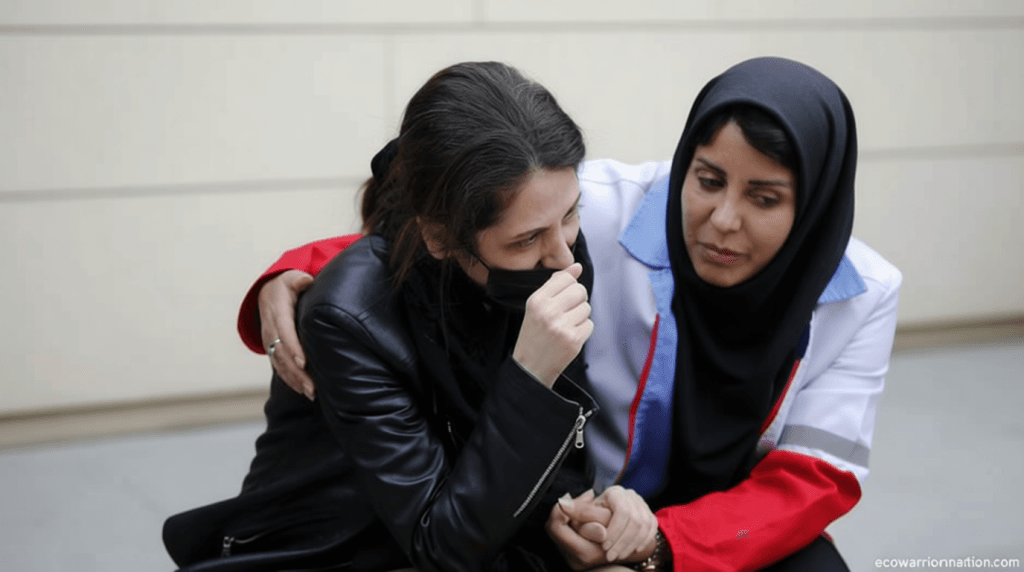
In Iran, hope gives way to fear as conflict rages on
A month into the ongoing US-Israeli campaign against Iran, the initial optimism surrounding the regime’s potential downfall has faded. Iranians who once envisioned a collapse of the Islamic Republic now express concern over its endurance. DW interviewed residents to gauge how the continued survival of the government has altered public perception.
At the outset, many Iranians believed the attacks could destabilize the system or even topple it. US President Donald Trump had encouraged the population to “take over your government,” warning that the opportunity for regime change might not return for generations. However, as the conflict has stretched into its fourth week, the scale of the strikes has grown, with civilian infrastructure across the country under fire. This has shifted focus from the possibility of revolution to the prolonged impact on daily life and civilian safety.
“Despite all this destruction, the government is still standing, and that has caused the initial assumptions about the outcome of the war to give way to disappointment and concern,” said a Tehran resident, who asked to remain anonymous due to security fears.
The early stages of the conflict sparked hopes that foreign military pressure might ignite widespread unrest. This belief was fueled by recent nationwide protests that had been brutally suppressed. Yet, as bombs and missiles continue to fall, the image of a crumbling regime has been replaced by a sense of exhaustion and growing uncertainty.
One of the most poignant symbols of this shift came with the bombing of a girls’ school in Minab, a southern city. The incident highlighted how civilian casualties and insecurity have become routine, eroding the earlier vision of a transformative war. “The government is still insisting that employees be physically present at work, even though, in the eyes of many people, nowhere feels safe and no one wants to go to the workplace,” another anonymous resident explained to DW.
With absence from public life now carrying political risks, Iranians face pressure to maintain normalcy despite the chaos. The fear of being labeled as dissenters has deepened, as the regime’s grip on society remains unshaken. For many, the war has proven that destruction spreads more swiftly than lasting change.
The Uncertain Future
As the strikes persist, uncertainty about the aftermath has taken root. Iranians now worry that if the Islamic Republic survives this phase, it will emerge with intensified challenges: damaged infrastructure, deepening economic struggles, ongoing sanctions, and a government that may tighten its control through harsher measures.
Babak Dorbeiki, a former deputy at Iran’s Strategic Research Center, noted that the objectives of Israel and the United States appear divergent. “Israel, unlike the United States, is seeking collapse. It therefore appears that Trump’s and Netanyahu’s goals are different. As a result, the war’s outcome remains unclear,” Dorbeiki told DW.
The psychological toll of the conflict is also evident. For many Iranians, the fear of the unknown is overshadowing earlier hopes, as the war continues to reshape their outlook on the future of the country.
