
Blink and miss: Trump’s tactic of threats first and U-turn later is proving stale in Iran war
Blink and miss: Trump’s tactic of threats first and U-turn later is proving stale in Iran war
This week, the term “Persian Taco” has become a buzzword in financial circles, encapsulating President Trump’s approach to Iran. The metaphor highlights his pattern of issuing bold threats before swiftly retracting them, a strategy that has drawn mixed reactions from markets and analysts. On Monday morning, as oil prices climbed and stock futures dipped, Trump’s sudden reversal—claiming that discussions with Iran had been “great”—rebounded oil markets and stabilized stock indices, though the initial volatility had already rattled investors.
Trump’s method of escalating tensions only to backtrack has been a recurring theme. In the aftermath of his initial threat to target Iran’s civilian infrastructure, the S&P 500 index surged 1.5% by midday in New York, defying earlier forecasts of a 1% daily decline. This move, dubbed “Taco” by critics, was first showcased during the tariffs crisis last year, where his abrupt shifts in policy left markets in disarray. Despite the chaos, the tactic proved effective in curbing immediate economic fallout, as bond yields dipped and oil prices retreated to under $100 a barrel from a peak of $112.
A Flawed Strategy
Though markets welcomed the news that Washington had sent a peace plan to Tehran, the optimism was short-lived. Investors quickly realized that Trump’s assurances carried little weight, as Iranian officials dismissed the “productive conversations” he claimed had led to a “complete and total resolution of hostilities.” Their response—launching missiles into Israel, Iraq, and Gulf allies—reignited fears of a broader regional conflict.
The same pattern resurfaced on 9 March, when Trump attempted to halt rising oil prices by promising the war would end “soon, very soon” and asserting it was “very complete, pretty much.” The S&P index bounced back that day, but its decline resumed within hours, underscoring the limited impact of his rhetoric.
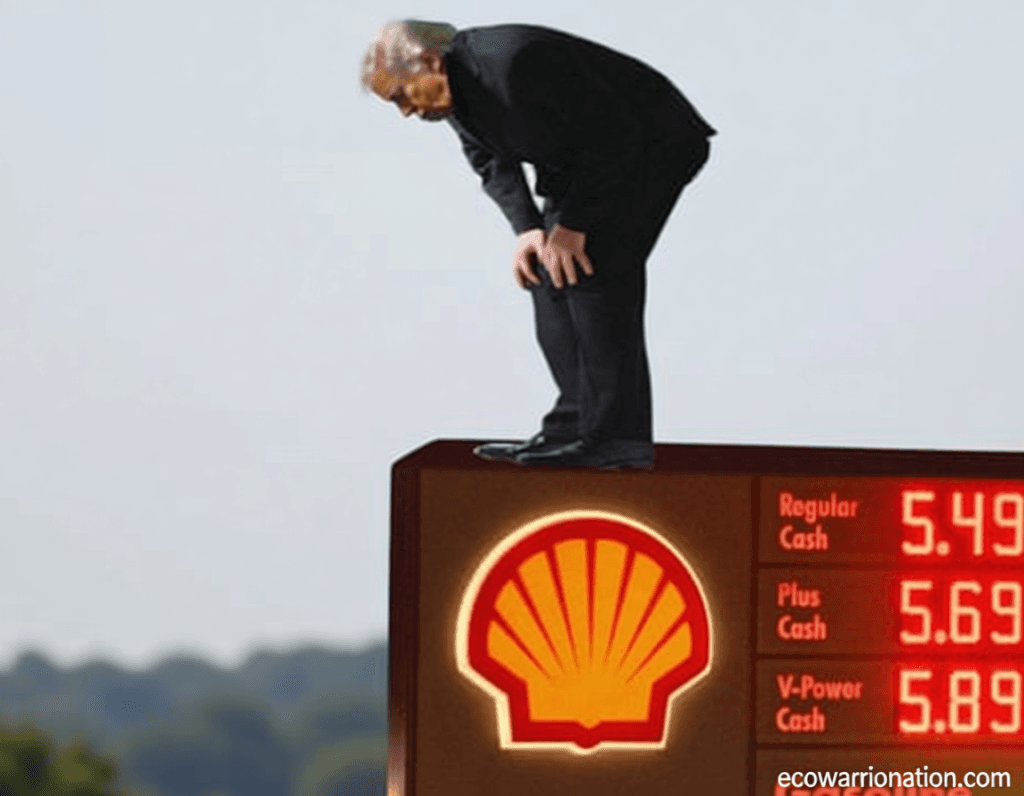
Now, however, the political landscape has shifted. With November midterms looming and Trump trailing in opinion polls, his ability to dictate events in Iran is waning. Americans, who initially hesitated to support the war, have grown more vocal in their opposition as gas prices near $4 a gallon. Meanwhile, the OECD projects US inflation will hit 4.2% this year, compounding pressures on an administration already struggling to maintain stability.
Trump faces a dilemma: he needs to end the conflict and secure a swift exit from the region, while also ensuring oil flows through the Strait of Hormuz remain unimpeded. Iran, by contrast, has time to regroup. Its leadership, though weakened, still holds power, and its capacity to disrupt global energy markets—by blocking 12.5 million barrels of oil and 11.5 billion cubic feet of gas daily—remains formidable. The regime’s incentive to back down is minimal, as it calculates that the best way to deter future strikes is to showcase its destructive potential. Unless the US commits ground forces, Trump’s illusion of control over Iran’s fate may soon fade.
