
Iran says it will ‘facilitate and expedite’ humanitarian aid through Strait of Hormuz
Iran says it will ‘facilitate and expedite’ humanitarian aid through Strait of Hormuz
UN Engagement and Strategic Passage
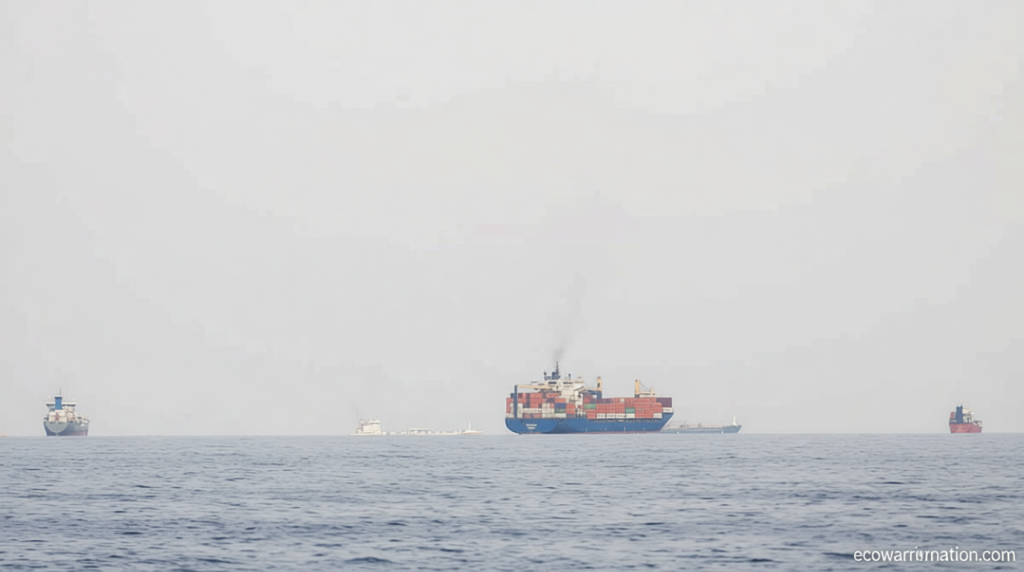
On Friday, Iran’s UN ambassador in Geneva, Ali Bahreini, confirmed the nation’s agreement to streamline the passage of humanitarian aid through the strategic Strait of Hormuz. This decision follows a UN request to allow agricultural shipments and essential supplies to transit the vital maritime route. The timing of the announcement coincided with Israeli air strikes targeting Iran’s nuclear facilities.
Global Impact of Supply Restrictions
While the war has primarily focused on oil and gas supply chains, the disruption of fertilizer availability poses a significant threat to global food security. The aid initiative marks the first positive development in the Strait of Hormuz since the conflict began a month prior. “This step underscores Iran’s ongoing dedication to humanitarian causes,” Bahreini stated in a tweet, emphasizing the need for timely aid distribution.
“This measure reflects Iran’s continued commitment to supporting humanitarian efforts and ensuring that essential aid reaches those in need without delay,” said Bahreini.
Escalation and Diplomatic Efforts
Hours after the attacks, Iranian state media reported that two key nuclear sites were hit, including the Shahid Khondab Heavy Water Complex in Arak and the Ardakan yellowcake production plant in Yazd Province. The strikes, which caused no casualties or contamination risks, were claimed by Israel, which asserted it had targeted raw materials crucial for uranium enrichment. Iran vowed retaliation, with its foreign minister, Abbas Araghchi, accusing the U.S. of failing to meet diplomatic deadlines.
“Attack contradicts POTUS extended deadline for diplomacy,” wrote Araghchi, referring to Donald Trump. “Iran will exact HEAVY price for Israeli crimes.”
IAEA Response and Regional Developments
The International Atomic Energy Agency reiterated its call for caution following the strikes, noting “no increase in off-site radiation levels” at the affected sites. Meanwhile, G7 foreign ministers in France urged an immediate stop to attacks on civilian populations and infrastructure. Simultaneously, U.S. military forces, including 2,500 Marines and 1,000 paratroopers from the 82nd Airborne, were deployed to the Middle East to secure strategic positions.
“IAEA Director General Rafael Grossi reiterates (his) call for military restraint to avoid any risk of a nuclear accident,” the agency tweeted.
Regional Tensions and Diplomatic Moves
Amid rising tensions, diplomats from Pakistan and Turkey spearheaded efforts to arrange a direct dialogue between U.S. and Iranian representatives. The Islamic Revolutionary Guard Corps (IRGC) warned of a retaliatory response, with commander Seyed Majid Moosavi stating, “Employees of companies tied to the U.S. and Israel should abandon their workplaces. This time, the equation will no longer be ‘an eye for an eye,’ just wait.”
U.S. Strategy and Progress
Despite the military buildup, U.S. Secretary of State Marco Rubio claimed most objectives in Iran were “ahead of schedule,” asserting that “we can achieve them without any ground troops.” This sentiment came as the G7 collectively demanded a halt to attacks on infrastructure, signaling international pressure to de-escalate the conflict.
