
Iran’s internet blackout fuels fear and isolation
Iran’s internet blackout fuels fear and isolation
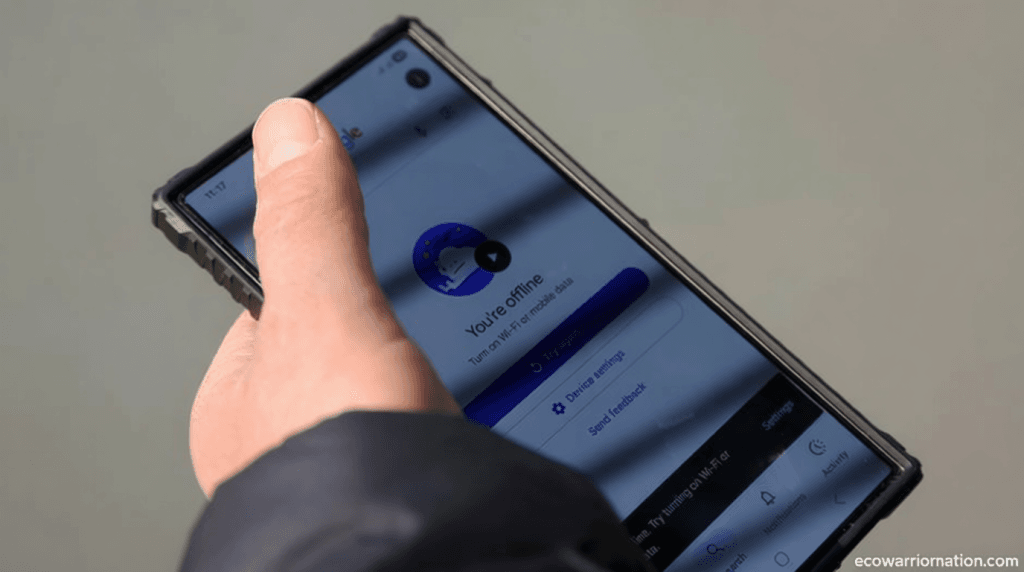
With Israeli and U.S. strikes targeting Tehran, the Iranian government has implemented an internet blackout, leaving residents grappling with anxiety over their loved ones’ safety and the ongoing conflict. The sudden cutoff has amplified the sense of uncertainty, as people struggle to stay informed about the fate of their relatives and the evolving situation.
Strikes on Tehran
On Thursday evening, Tehran faced intense attacks, with residents spotting low-flying jets and witnessing significant explosions. By early Friday, Israeli forces announced they had executed a broad assault on the ‘core of Tehran,’ focusing on critical infrastructure linked to the regime.
US Postpones Attacks
Before the strikes, U.S. President Donald Trump had delayed plans to strike Iran’s energy infrastructure, contingent on Tehran lifting its blockade of the Strait of Hormuz. Meanwhile, the U.S. has stationed thousands of troops in the Middle East, with a potential ground invasion still under consideration.
Media Consumption Shift
Many Iranians now rely on foreign outlets, including Persian-language media, or alternative state broadcasters like DW, to stay updated. Social media, particularly Instagram, remains a vital source, with over 24 million users in the country. Despite official bans on such platforms, people use virtual private networks (VPNs) to bypass restrictions. A VPN creates an encrypted tunnel between a device and a remote server, enabling access to censored content.
Starlink and Internet Censorship
Since the U.S.-Israel conflict with Iran started on February 28, the government has cut off internet access. Even VPNs require satellite providers like Starlink, which are also restricted. These services are costly, up to ten times the usual price. The Ministry of Intelligence reports hundreds of Starlink systems have been identified and seized nationwide.
Tracking and Arrests
Internet specialist Keyvan Samadi explained to DW how security forces monitor these systems. He noted that Starlink devices send signals to satellites, which can be detected using specialized gear and radio triangulation. According to media reports, hundreds of people have been arrested through this method since the war began.
Psychological Impact
Many described the internet outages as a psychological burden, compounding the stress from attacks and severing communication with family. The uncertainty surrounding the conflict’s progress was overwhelming, they said. People still in the country told DW that VPN services remained available but at very high prices. Despite financial hardships and closed businesses, many were willing to spend more to access information.
“We don’t watch state television anymore, and I hardly know anyone who still does,” wrote one resident of Tehran in a group chat. “They only broadcast for themselves and their supporters,” wrote another.
This article, contributed by Danyal Babayani, was translated from German.
