
Why Erling Haaland Did Not Play for Norway Against France in World Cup
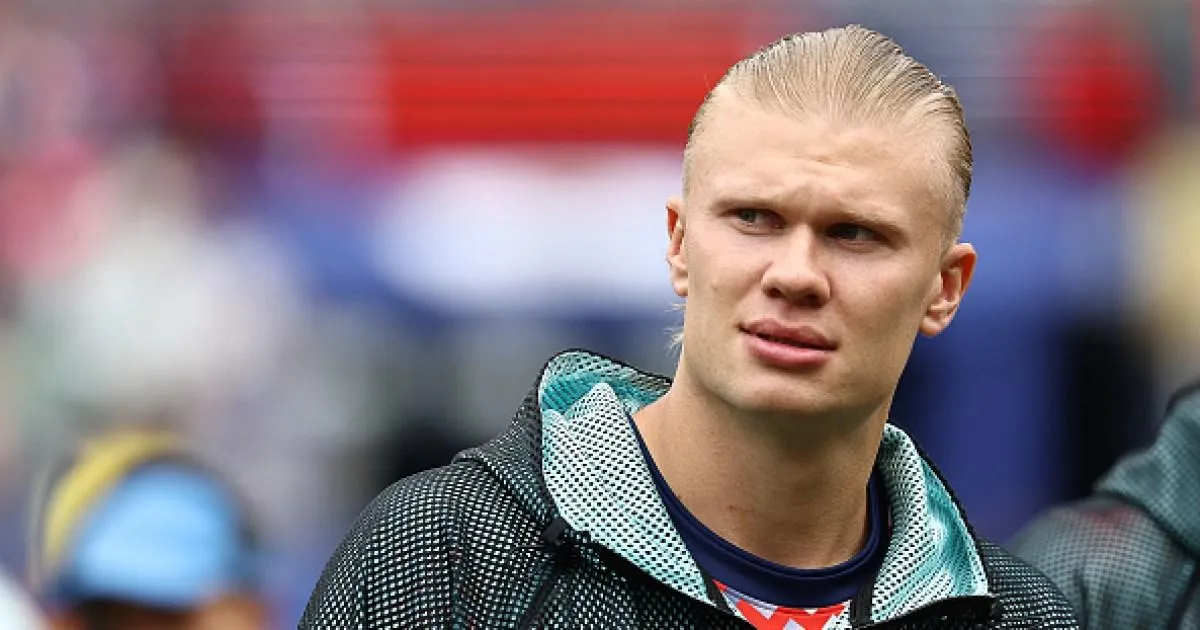
Why Erling Haaland did not play – At the 2026 World Cup, Norway faced a pivotal challenge when they squared off against France in their final group match. Despite being a key figure in the team’s attacking arsenal, Erling Haaland was notably absent from the starting lineup, sparking curiosity and speculation among fans and pundits alike. This decision came at a critical juncture, as both teams had already secured their spots in the knockout stages, and the outcome of the game would determine the group’s top spot.
The Striker’s Remarkable Start
Haaland, the Manchester City forward, had been a revelation in the tournament’s opening two matches, scoring four goals in total. His brace against Iraq and another double in the victory over Senegal showcased his ability to dominate defenses and deliver under pressure. These performances placed him in a strong position to challenge for the Golden Boot, currently tied with Kylian Mbappé and just one goal behind Lionel Messi, who leads the scoring charts.
The match against France, however, saw Haaland sidelined, leaving questions about the tactical rationale behind the omission. While the team had already clinched their place in the next round, the decision to rest the striker seemed to prioritize long-term strategy over immediate impact. Norway’s coach, Ståle Solbakken, opted for a fresh approach, introducing 10 new players into the starting XI—a bold move that raised eyebrows in the football world.
A Tactical Shift for the Knockout Stages
The group finale between Norway and France was more than just a routine game; it was a battle for supremacy that could shape the path to the knockout stages. Both teams entered the match with identical points totals, meaning the winner would secure the top seed and potentially face a more manageable opponent in the next round. This added an extra layer of intensity to the contest, as every goal and performance had implications beyond the game itself.
Solbakken’s decision to rotate his squad, particularly by leaving Haaland out, was rooted in his desire to prepare the team for the high-stakes challenges ahead. The coach explained that this was a strategic choice rather than a forced one, emphasizing that Haaland’s absence was about conserving his energy for the latter stages of the tournament. This approach, while unconventional, aimed to ensure the striker would be fresh for crucial knockout matches.
France’s Dominant Performance and Norway’s Struggles
France, the 2018 champions, delivered a commanding 4-1 victory, with Ousmane Dembele shining as he scored a hat-trick in the first half. The French side’s attacking prowess left Norway in a difficult position, as their hopes of securing the group top spot crumbled under the pressure. Meanwhile, Jørgen Strand Larsen, the player who started ahead of Haaland, missed a key second-half penalty, further complicating the team’s chances.
The result was a stark reminder of the challenges Norway faced in their campaign. Despite Haaland’s absence, the team’s overall performance in the group stage had been mixed, with their ability to maintain consistency questioned. Solbakken’s decision to rest the star striker, however, was defended as a necessary step to build momentum for the knockout rounds. The coach’s boldness in reshaping the squad was a testament to his confidence in the depth of talent within the team.
Reactions from Experts and Legends
“If he needs a rest for the latter stages of this tournament, he will take that. Jørgen Strand Larsen will get a chance and we can see what he can do. But I am surprised. We will probably see what happens in the next game with decisions like this.”
Former Arsenal legend Ian Wright expressed surprise at Haaland’s omission, acknowledging the strategic reasoning but questioning the timing. He highlighted that resting the striker for the final group match might have been an overreach, given the importance of securing the top spot. Wright’s comments reflected a common sentiment among fans who believed Haaland’s presence could have tipped the balance in Norway’s favor.
“The message is really clear, there is nothing to play for them today,” said Patrick Vieira, another former Arsenal star. “Finishing first can be really important, changing 10 players and not having your top players in from the start, I think it sends the message they are happy finishing second.”
Vieira’s critique underscored the perception that Norway’s coach was prioritizing depth over star power. The decision to field a completely new XI, including leaving out Arsenal’s Martin Odegaard, was seen as a gamble. Critics argued that such a move might have weakened the team’s attacking threat, especially with France’s high-octane play already on display.
“Norway have a chance to top the group and get easier knockout opponents, yet they’re scared before the game. That’s not the mentality you need when you play for your country at the World Cup.”
Zlatan Ibrahimovic, the Swedish legend, echoed similar concerns, suggesting that Norway’s approach lacked confidence. He pointed out that the team had an opportunity to secure the top seed but chose to play it safe. Ibrahimovic’s analysis highlighted the tension between risk and reward in high-pressure tournaments, where a single decision can have lasting consequences.
The Aftermath of a Bold Strategy
The aftermath of the match left Haaland’s absence as a topic of debate. While his omission was justified as a strategic choice, the outcome of the game raised questions about the effectiveness of the new lineup. Norway’s hopes of securing the group top spot were dashed, and the team now faces the challenge of rebuilding momentum in the knockout stages.
Despite the setback, Solbakken’s decision to rotate players demonstrated a forward-thinking mindset. The coach’s emphasis on rest and preparation aligns with the demands of the World Cup, where physical and mental endurance are paramount. As the tournament progresses, Haaland’s return will be closely watched, with fans eager to see how his presence affects Norway’s fortunes in the next round.
In the broader context of the World Cup, this match highlighted the unpredictable nature of group-stage football. With the stakes high and the competition fierce, every decision by a manager carries weight. Norway’s gamble to rest Haaland may have backfired, but it also opened the door for emerging talent to step up and prove their worth.
The tournament continues to unfold with dramatic moments, and Haaland’s absence from the Norway-France clash remains one of the more intriguing stories. As teams move into the knockout stages, the focus shifts to individual performances and tactical adjustments. For Norway, the challenge is to adapt quickly and ensure they remain competitive in the next phase of the competition.
Looking Ahead: The Knockout Stages
With the group stage now complete, the spotlight turns to the knockout rounds. Norway’s next opponent will be determined by their results, and the team will need to rely on their depth and resilience to progress. Haaland’s potential return in the next matches could be a game-changer, especially as the competition intensifies.
Meanwhile, France’s dominant display against Norway cements their status as a formidable force in the tournament. The French side’s attacking brilliance and defensive solidity have positioned them as a strong contender for the final, and their next matches will be crucial in maintaining that momentum. As the World Cup progresses, the decisions made by coaches will be scrutinized, and the players who step up in critical moments will define the story of the competition.
The 2026 World Cup has already delivered unforgettable moments, and the Norway-France clash is no exception. Haaland’s absence, while unexpected, adds an element of intrigue to the narrative. As the tournament moves forward, the balance between strategy and spontaneity will continue to shape the outcomes of each match.
For fans of Norway, the loss is a bitter pill to swallow, but for the players who stepped into the starting XI, it’s an opportunity to shine. The World Cup is a stage where every moment counts, and the decisions made by coaches can redefine a team’s trajectory. As the competition reaches its next phase, the focus remains on the performances that will determine the path to glory.
Conclusion: Strategic Moves and Football’s Uncertainty
Ultimately, Solbakken’s decision to rest Haaland reflects the complexities of managing a high-profile team in a demanding tournament. While the move may have cost Norway the top spot, it also showcases the coach’s vision for the future. The World Cup, as always, is a blend of strategy, luck, and individual brilliance, and Haaland’s absence from this match is a reminder of the delicate balance coaches must strike.
As the football world prepares for the next round of matches, the lessons from this game will linger. Norway’s journey is far from over, and Haaland’s eventual return could prove to be a turning point in their campaign. The tournament continues to evolve, and the decisions that shape its outcome will be remembered long after the final whistle.
Everything you need to know about the World Cup – England updates, the games to watch and stories you missed – in five minutes, at 1pm, every day. This site is protected by reCAPTCHA and the Google Privacy Policy and Terms of Service apply. Your information will be used in line with our Privacy Policy.