
Alan Shearer Urges Thomas Tuchel to Reassess England’s World Cup Lineup for Panama Clash
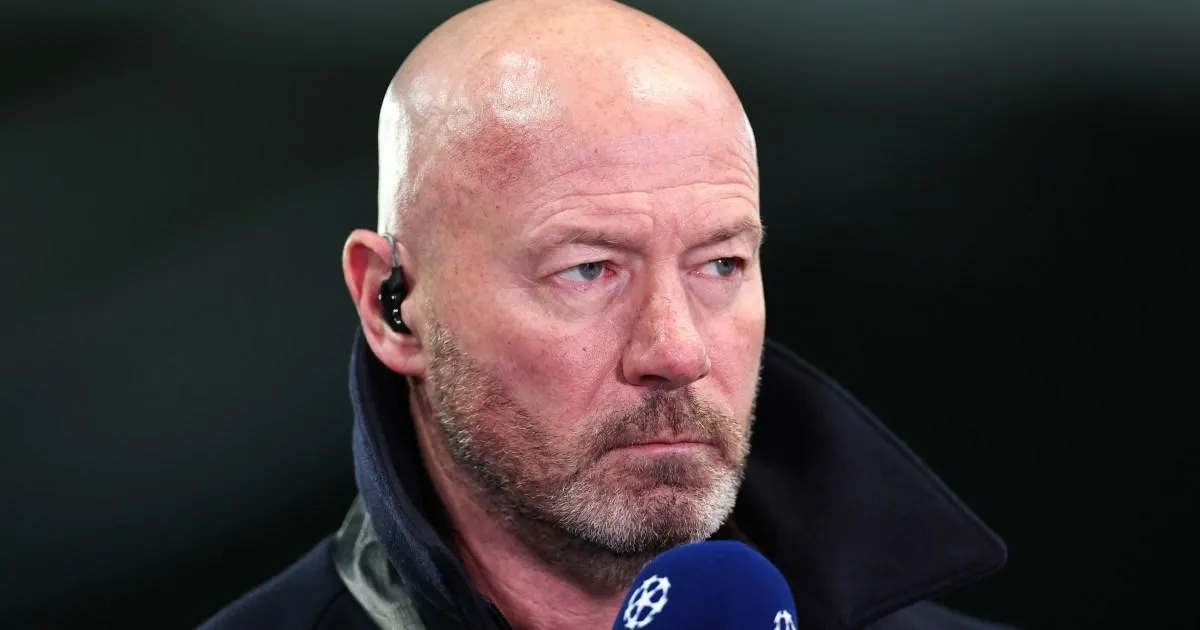
Alan Shearer urges Thomas Tuchel to drop – Former England striker Alan Shearer has called on manager Thomas Tuchel to rethink the squad selection for the Three Lions’ pivotal World Cup encounter against Panama. The match, set to take place in Boston, marks the final group stage game for the team, and Shearer believes the German coach should consider significant tactical adjustments to maximize England’s chances of securing a strong position in the knockout rounds.
The Crucial Test Against Panama
England faced a sobering reality check during their second match of the tournament, ending in a scoreless stalemate against Ghana. Despite a convincing 2-1 victory over Croatia earlier in the campaign, the team’s performance against the Black Stars exposed vulnerabilities in their attacking rhythm and confidence. Shearer, known for his sharp insights into English football, argues that the squad must show marked improvement to maintain momentum heading into the knockout phase.
“I really expected us to go into the Ghana game with great belief and confidence, but it was the exact opposite. There was no edge, everything felt safe, and everything moved sideways or backwards,” Shearer said in an interview with Betfair. “The players weren’t pressing aggressively, and when we did get the chance to cross, they were very poor in execution.”
Although England’s win against Croatia had solidified their position as group favorites, Shearer insists the team cannot afford complacency. He emphasized the need for a more dynamic approach, citing specific areas where adjustments could make a difference. “There’s plenty of room for improvement if we’re going to win the World Cup,” he added. “But I don’t think there’s any need to panic. Our goal remains securing top spot in the group, and we’ll likely achieve that.”
Injury Concerns Prompt Strategic Shifts
The potential for lineup changes has been amplified by recent fitness concerns. Reece James, a key figure in England’s defensive setup, missed training on Friday due to a hamstring issue, raising questions about his availability for the Panama clash. Tuchel may be forced to experiment with alternatives, including Djed Spence, Ezri Konsa, or Jarell Quansah, who could step into the left-back role. Similarly, Declan Rice, who carries a yellow card and a minor injury, might be rested in favor of Kobbie Mainoo, giving the young midfielder a debut opportunity.
Shearer’s recommendations extend beyond the backline. He suggested Tuchel consider reshuffling the attacking options, potentially replacing Bukayo Saka and Jude Bellingham with Rashford and Jude Bellingham. “I think he’ll make three or four changes,” the former captain predicted. “A more energetic performance is needed, and I believe we’ll come out on top by a margin of two or three goals.”
Tactical Reflections and Midfield Dynamics
Shearer pointed to the left-back dilemma as a surprising element of Tuchel’s strategy. While the manager’s substitutions in the Croatia game were praised for their tactical flexibility, the approach against Ghana may have been overly cautious. “It wouldn’t surprise me if he brought Stones back in for Konsa so he and Guehi can work together,” Shearer explained. “Also, bringing Nico O’Reilly into the left-back role and switching the wingers from Gordon and Madueke to Saka and Rashford could help reignite the team’s attacking threat.”
The former Newcastle player highlighted the importance of tempo and pace in breaking down strong defensive setups. “When you have that low block, it’s tough to score,” he noted. “But you have to be brave, take the initiative, and trust your players to deliver under pressure. I thought they were hesitant in those moments, which cost them opportunities.”
England’s Quest for World Cup Glory
As England aim to clinch their first World Cup title since 1966, the pressure on Tuchel has never been higher. The team’s recent near-misses in major tournaments, including their European Championship finals campaigns under Gareth Southgate, have underscored the need for a resilient and adaptable strategy. Shearer acknowledged the high stakes but remained optimistic about the squad’s potential. “They’ve got to play with more intensity and creativity,” he said. “If they do, I think they’ll find a way to break through.”
The Panama clash is not just a test of tactical acumen but also a chance to address the squad’s recent struggles. Shearer’s call for changes reflects the urgency of the moment, as England’s group position is still on the line. “It’s a critical game for momentum,” he added. “If they can’t adapt, the knockout stages might be tougher than expected.”
Looking Ahead to the Knockout Rounds
With the group stage drawing to a close, Tuchel faces a delicate balancing act. He must maintain the stability that helped England progress so far while addressing the shortcomings revealed in their Ghana match. Shearer’s analysis underscores the importance of this decision, as the final group game could set the tone for England’s run in the tournament. “He’ll look back and question everything that went on in that second game,” the former player said. “But I think he’ll come up with a plan that gives the team a fighting chance.”
The stakes for England are clear: a win against Panama will solidify their place in the knockout stages, while a loss could force them into a tougher path. Shearer’s confidence in the team’s ability to adapt is a welcome boost, especially as the squad prepares to face the challenges ahead. “They’ve got the talent, and I believe they can turn things around if they’re brave enough to take risks,” he concluded. “This is a chance to show what they’re truly capable of.”
As the World Cup continues to unfold, every decision by Tuchel will be scrutinized. Shearer’s insights provide a valuable perspective on the team’s current trajectory and the adjustments that could define their success. With the tournament entering a decisive phase, England’s ability to evolve and embrace change will be crucial to their ambitions of lifting the trophy.
Everything you need to know about the World Cup – England updates, the games to watch
This site is protected by reCAPTCHA and the Google Privacy Policy and Terms of Service apply. Your information will be used in line with our Privacy Policy.