

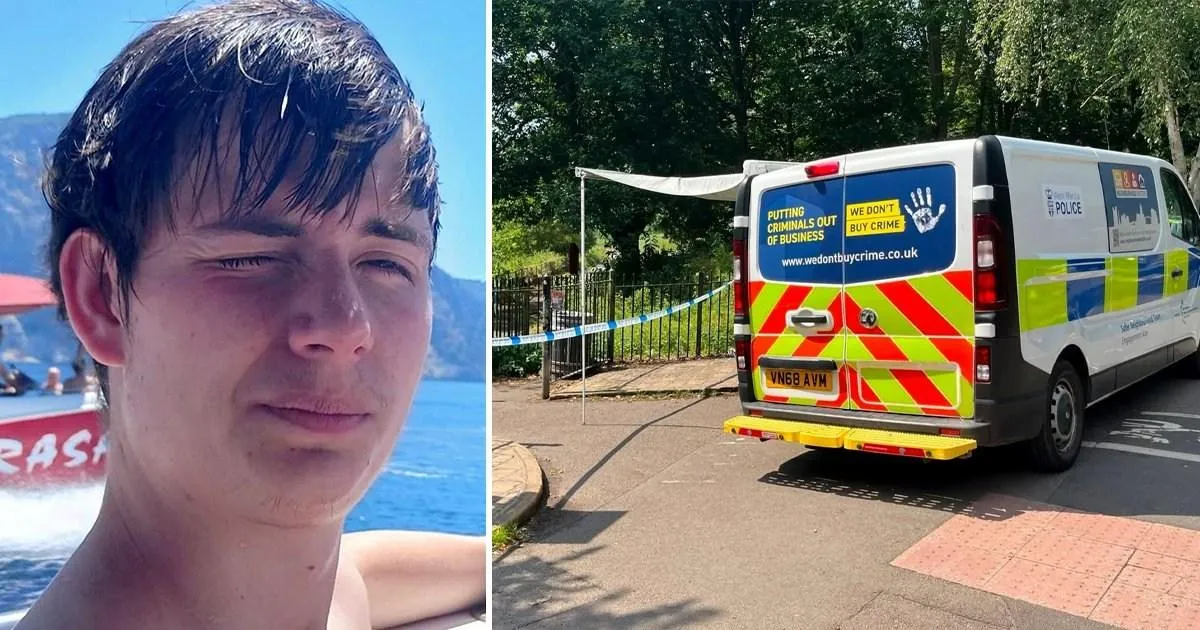
Five People Die in UK Waters During Heatwave, Man Found in River
Five people die in UK waters – As the UK experiences its hottest June on record, five individuals have tragically lost their lives in water-related incidents, underscoring the dangers posed by the extreme weather conditions. The surge in fatalities has been linked to the ongoing heatwave, with each case revealing the vulnerability of people to the sweltering temperatures and rising water temperatures.
Heatwave Claims Lives in UK Waters
Among the five deaths, a 22-year-old man was discovered in the River Severn in Shrewsbury today, bringing the total to five. Brody Leach, the young man, had been last seen alive on Friday morning after encountering trouble in the water, prompting an extensive search by emergency responders. His body was recovered by divers, marking a somber conclusion to the incident.
Earlier this week, another tragic event occurred in Southampton. Divers were called in to locate a 15-year-old schoolboy who disappeared on Wednesday while swimming at Testwood Lakes, a nature reserve near the city. His body was found today, adding to the list of heatwave-related casualties. The boy’s family shared their memories, emphasizing his cheerful nature and interests, as expressed in a heartfelt statement:
“We want him to be remembered by his big smile. His love of animals, his passion towards football and being outside.”
Incidents Across the UK
Further north, a 13-year-old boy named Hayden Jones-Powell was recovered from Meynell Lake in Syston, Lancashire, a few weeks before the summer holidays were set to begin. His absence was noted on Thursday afternoon, leading to an immediate alert. The loss has deeply affected the local community, with Wreake Valley Academy stating that the tragedy has “deeply affected everyone at our school and we are providing support to students, staff, and families who need it.”
In Essex, a 69-year-old man succumbed to the effects of the heatwave after struggling in the sea on Friday morning. Local authorities confirmed that emergency teams, including officers, paramedics, firefighters, and the coastguard, responded to the scene. Despite their efforts, the man passed away at the location, highlighting the severity of the situation. This incident is the latest in a series of water-related deaths linked to the heatwave.
Earlier in the week, the first fatality connected to the heatwave was reported in Wales. A 50-year-old man was found dead at Aberavon beach on Wednesday, where he had been swimming when he collapsed. The