
Melanie Sykes Shares New Look After Rapid Hair Loss
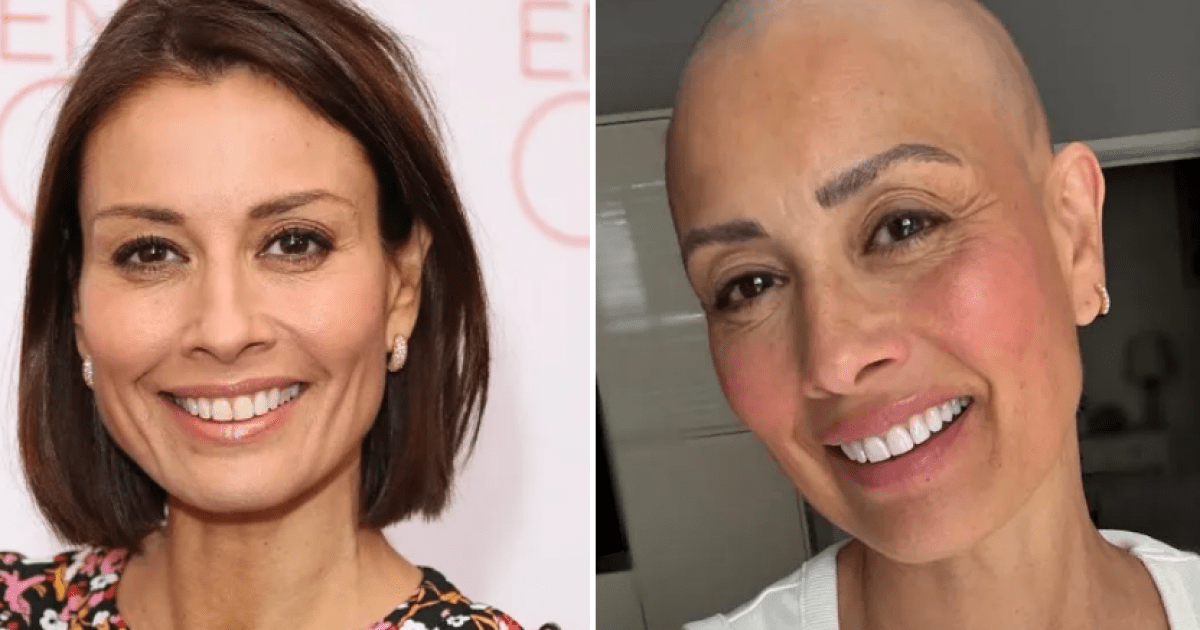
Melanie Sykes proudly shows off new look – Melanie Sykes, a well-known figure in British media, has recently unveiled a striking new appearance to her social media audience, following her ongoing battle with alopecia. The 55-year-old former TV presenter shared a video on Instagram, capturing her head from the sides where significant hair loss has occurred. Her post, simply captioned “#Liberty,” highlights her journey of adapting to a changing physical state while embracing her evolving identity.
Alopecia and Health Challenges
The clip reveals noticeable bald patches, a condition Sykes has described as advancing swiftly. In a candid update earlier this year, she explained that only the crown of her head remained untouched by the hair loss, adding, “My crown is pretty much what’s left of my hair now and how healthy it is.” She also mentioned experiencing cold sensations, which prompted her to wear headgear regularly, but emphasized her determination to focus on self-care rather than dwell on her struggles.
“I do get cold however, hence my beanie and various headwear but I’m learning to live with ‘loss’ and counting my blessings instead.”
This latest transformation comes more than a year after Sykes first disclosed her alopecia diagnosis, alongside a heart condition and widespread inflammation. She linked these health issues to prolonged stress and post-traumatic stress disorder (PTSD), which she has openly discussed in recent months. Despite the challenges, Sykes has maintained a positive attitude, sharing her experiences to inspire others.
Recovery and Spiritual Practices
Sykes has increasingly turned to meditation and spirituality as tools for healing, even completing a formal meditation teacher training course. In a recent post, she stated, “Rather than dwelling on my diagnosis, I’ve embraced mindfulness and inner peace as part of my recovery.” Her commitment to these practices reflects a broader shift in her approach to life, focusing on gratitude and resilience.
“It’s not always easy to be grateful, but it is the key to happiness and takes daily, moment-to-moment practice. Practice love.”
Her message to fans underscores her belief in finding strength through adversity. Sykes has also encouraged followers to prioritize their own well-being, noting that her step away from television has allowed her to recenter her life around personal health and mental clarity. “I’ve learned to put myself first,” she remarked, aligning her current state with her earlier diagnosis of autism.
From TV to Self-Discovery
Sykes’ career has spanned decades, with iconic roles in shows like *The Big Breakfast* and *Today with Des and Mel*. She also co-hosted *Let’s Do Lunch with Gino & Mel* alongside Gino D’Acampo, a former television colleague she has publicly criticized. Sykes revealed in 2025 that her hair loss had progressed to the point of being “two-thirds bald,” while also dealing with severe inflammation and heart palpitations.
“I’m not well, as you know. I’ve been ill all year,” she said in a video update earlier this year. “I’ve got an autoimmune condition, I am losing my hair, I keep having crazy inflammation all over and I am working on healing.”
The stress surrounding allegations against D’Acampo, which he has denied, was cited as a trigger for her health issues. Sykes also shared that her experience with Gregg Wallace had led her to quit television, sparking her advocacy against the BBC and ITV. Her decision to step away from the spotlight has since become a pivotal moment in her life, allowing her to focus on her personal growth and well-being.
Post-Traumatic Growth and Gratitude
In a heartfelt conversation with fans last year, Sykes introduced the concept of “post-traumatic growth,” a term she associated with the positive changes that can emerge after trauma. She explained, “You can be suffering from PTSD but still at the same time be experiencing post-traumatic growth.” This perspective has guided her through her health challenges, as she now sees her condition as a catalyst for transformation.
“I’m in both camps because you can be both things at once… We can transcend all trauma, we can be changed, and I am living f******g proof of that.”
Her recent post, which showcases her completely bald appearance, has been accompanied by hashtags such as “wise,” “tistime,” “sage,” “yogi,” and “smile.” These tags reflect her current mindset, emphasizing wisdom, calm, and positivity. Sykes has consistently highlighted the importance of gratitude, stating that it is a practice that requires daily effort.
Autism Diagnosis and New Perspective
Sykes’ journey has been marked by multiple health revelations, including her autism diagnosis in 2021. She described how this late diagnosis reshaped her life, allowing her to prioritize her own needs. “My late diagnosis of autism has changed my life for the better,” she said previously. “For once, I come first.”
This newfound self-awareness has influenced her approach to both her appearance and her mental health. Sykes has openly shared how her body and mind have evolved through this process, using her experiences to connect with her audience on a deeper level. Her current look, while a visible change, symbolizes her broader transformation and acceptance of her unique path.
Public Resilience and Future Outlook
Despite the physical and emotional toll of her health issues, Sykes continues to advocate for positivity and resilience. She has consistently emphasized the importance of maintaining a hopeful outlook, even when facing significant challenges. “I’m focusing on recovery,” she stated, underscoring her determination to embrace her new reality.
Her journey with alopecia and related conditions has also sparked discussions about the intersection of health, stress, and personal growth. Sykes’ candidness about her struggles has resonated with many, offering a relatable narrative of overcoming adversity. As she moves forward, her message remains clear: while the road has been difficult, it has also been transformative.
Legacy and Continuing Impact
Sykes’ career, once defined by her presence on television, now extends into her personal advocacy and self-discovery. Her recent posts have not only highlighted her appearance but also her philosophy of gratitude and resilience. By sharing her story, she has become a source of inspiration for those navigating their own challenges.
Her evolution from a high-profile presenter to a figure who openly discusses her health and personal growth reflects a broader shift in her life. Sykes’ use of social media to document her journey has created a platform for both self-expression and connection with her audience. As she continues to prioritize her well-being, her message remains focused on finding light in the shadows.
“You can be suffering from PTSD but still at the same time be experiencing post-traumatic growth.”
Melanie Sykes’ story is one of adaptation, resilience, and self-acceptance. From the early days of her alopecia diagnosis to her current bald look, she has consistently shown that challenges can lead to profound personal growth. Her journey is a testament to the power of gratitude, mindfulness, and the courage to embrace change.