
Why ceasefire deal with US has unsettled Iran’s hardliners
Why ceasefire deal with US has unsettled Iran’s hardliners
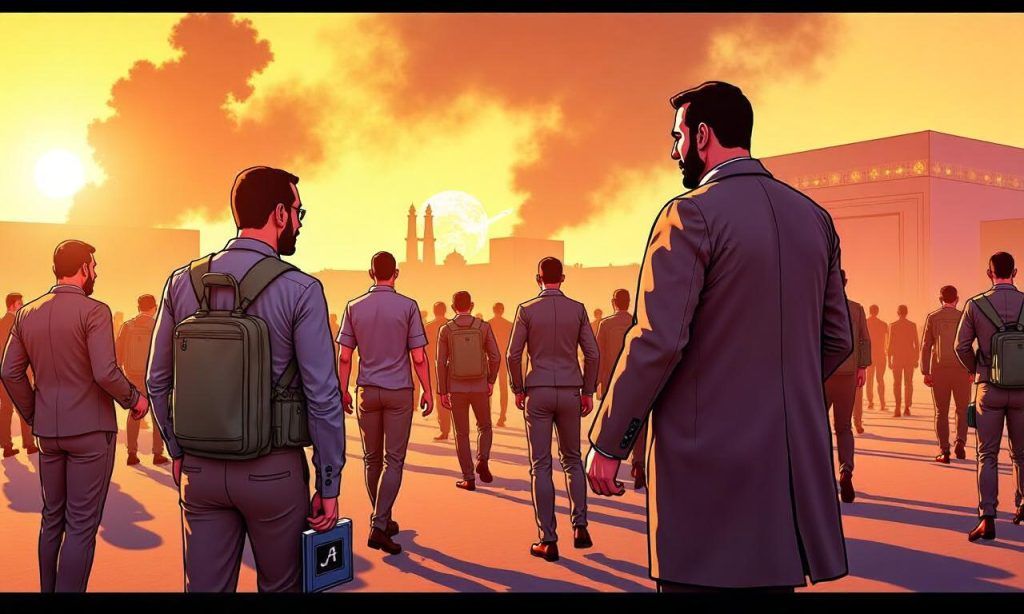
Just days after Islamic Republic hardliners took control of Tehran’s main traffic hub, a massive banner was erected declaring, “The Strait of Hormuz will remain closed.” This message was intended to reflect the stance of Iran’s newly appointed Supreme Leader, Mojtaba Khamenei, who has stayed out of public view since his appointment. However, the banner might now be removed following Iran’s agreement to a two-week pause in hostilities and the Strait’s reopening, as requested by Pakistan. The deal was brokered through Pakistan’s mediation, despite Iran’s insistence on a permanent end to the US and Israeli attacks.
The Hardliners’ Resentment
Iran’s conservative factions have expressed frustration with the decision. They argue that the country’s capability to disrupt the Strait and threaten Gulf nations with missiles and drones demonstrated strength. By choosing to halt hostilities, they claim Iran surrendered its advantage. Reports indicate that after the ceasefire was announced, hardline figures set ablaze US and Israeli flags in protest. Members of the Basij militia, linked to the Revolutionary Guard Corps, gathered at the foreign ministry overnight to challenge the agreement.
“A gift to the enemy,” one editor of Kayhan’s newspaper remarked, highlighting the deal’s perceived weakness. The statement came as Iran’s leadership exchanged its strategic position for a temporary truce, allowing the US to replenish its forces.
China’s Influence and Strategic Shifts
The Supreme National Security Council (SNSC), Iran’s top decision-making body under the Supreme Leader, approved the agreement. This council, led by the more centrist President Masoud Pezeshkian, positioned the ceasefire as a strategic triumph. According to Iranian media, the parliament’s speaker, Mohammad Bagher Ghalibaf, will lead negotiations in Islamabad with US Vice President JD Vance. This marks a departure from the previous hardline approach, which had barred direct talks with the US.
During the 40-day conflict, Iran endured significant losses. Over 3,000 fatalities were reported by human rights groups, with US President Donald Trump threatening even greater devastation. The war’s toll on infrastructure led some hardliners to acknowledge the need for a resolution before further damage occurred. Even the hardline Chief Justice, Gholamhossein Mohseni Ejei, echoed this sentiment in a recent broadcast, echoing remarks made by the former foreign minister Mohammad Javad Zarif in a
Foreign Affairs
piece.
Despite the ceasefire, tensions remain high. The agreement does not guarantee long-term peace, and the war could restart if negotiations falter. Some Iranians who supported the conflict, viewing it as a means to dismantle what they call a corrupt regime, may welcome a return to hostilities. For others, the pause in fighting provides much-needed respite from the ongoing destruction.
