
‘Even if Iran war ends now, farmers’ costs will have to be passed on’
Even if Iran war ends now, farmers’ costs will have to be passed on
Recent data from The Andersons Centre highlights a sharp spike in inflation for agricultural operations, with March 2023 marking a 7% increase in operational expenses compared to the prior year. This trend reflects the ongoing strain on the UK farming industry, which is now contending with soaring fuel and fertilizer prices following the outbreak of conflict in Iran.
A two-week ceasefire, intended to ease tensions, arrives too late for the current planting season. Ali Capper, a representative of British apple and pear growers, expressed concern over the long-term effects, stating,
“sadly, even if it all ends tomorrow, the costs are baked in now.”
She warned that the financial burden of the conflict will persist, forcing farmers to adjust pricing strategies despite any immediate resolution.
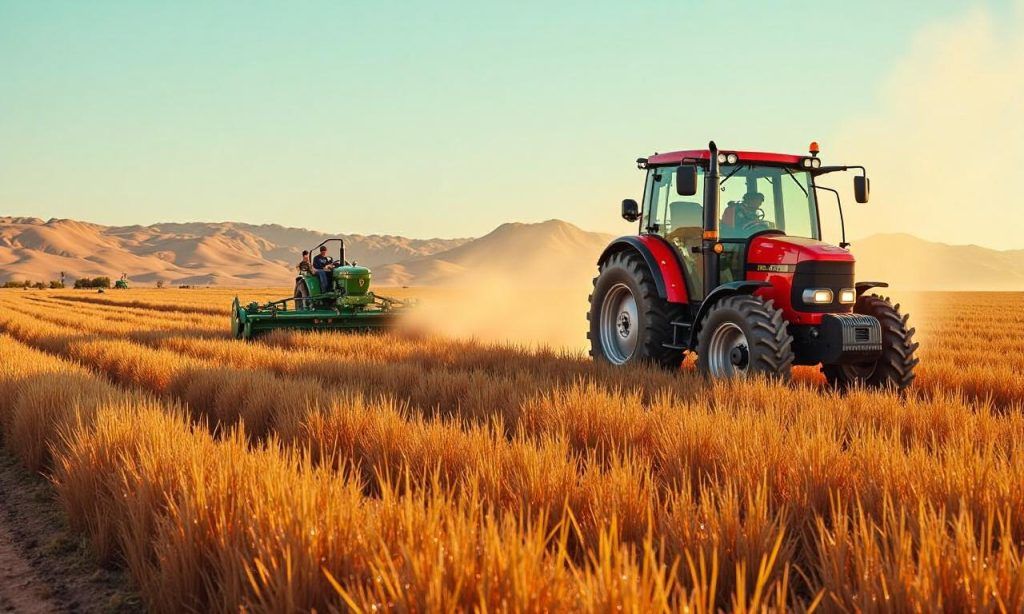
The situation has been exacerbated by the disruption of global supply chains, particularly the Strait of Hormuz, a critical route for a third of the world’s fertiliser. This bottleneck has triggered rapid price hikes, with red diesel—a key fuel for tractors and heating—jumping by 100% in recent weeks. The surge in brent crude oil prices further amplifies the strain, as red diesel costs are now tied to this benchmark.
Ali detailed the specific pressures on her farm, noting a 40% rise in fertiliser expenses and a 20% increase in transport costs. She also anticipates higher prices for plant protection products and packaging, leaving the decision to raise consumer prices to supermarkets. “We will have to pass this on,” she said, emphasizing the limited flexibility in the market.
Ben Savidge, a potato farmer in Ross-on-Wye, Herefordshire, shared similar struggles. With red diesel prices climbing from 65-70p per litre in December to 96-£1.05p per litre recently, his planting costs have risen by £5 per tonne. Though he has secured contracts with customers, he hopes to renegotiate prices as margins shrink. “Last year’s dry summer already hit yields hard, and now energy costs are adding to the pressure,” he explained.
Patrick Crehan, who manages fuel procurement for a 3,500-member farming consortium, reported a 130p per litre price for red diesel just before the ceasefire. While this has dipped slightly since the agreement, it remains significantly higher than pre-conflict levels. He noted that some farmers are hesitant to plant, fearing that the combined costs of fertiliser, energy, and fuel will make their crops unprofitable. “They’re weighing whether to invest in this season or save money,” he said.
Despite these challenges, most farmers remain committed to their work. “They’re just going to have to keep pushing forward,” Patrick observed, predicting that the industry may not recover fully from the cumulative impact of rising costs. The Food and Drink Federation anticipates UK food inflation reaching at least 9% by year-end, underscoring the broader implications for consumers.
