
Historic Vance-Ghalibaf talks must bridge deep distrust
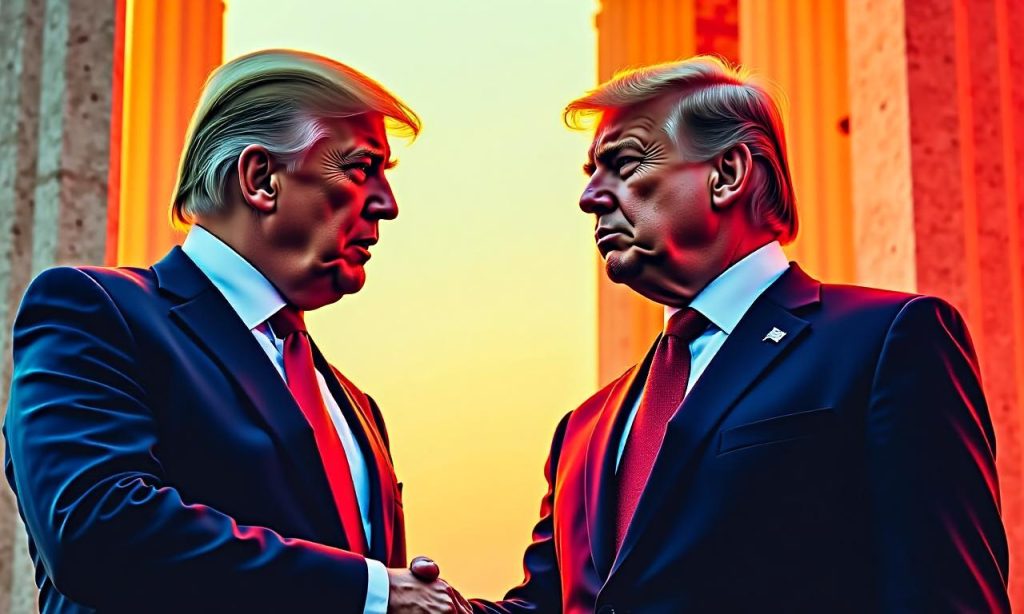
Historic Vance-Ghalibaf talks must bridge deep distrust
When US Vice President JD Vance meets Iran’s Parliamentary Speaker Mohammad Bagher Ghalibaf in Islamabad this weekend, a snapshot of their interaction could become a defining moment in recent diplomatic history. The encounter would represent the first high-level direct dialogue between the two nations since the 1979 Islamic Revolution, which severed their once-stable strategic alliance and left a legacy of persistent tension. Despite the gravity of the meeting, neither leader may display warmth, nor exchange hands, yet the act itself would underscore a shared determination to end a conflict that has reverberated across global geopolitics.
The fragile ceasefire between Israel and Iran has yet to solidify into lasting peace. President Trump’s claim of a “peace deal” within two weeks appears optimistic, as the terms have faced immediate disputes and breaches since their announcement. Even in the final hours, uncertainty lingered over Iran’s participation, with Israel insisting on no end to hostilities in Lebanon. This backdrop sets the stage for the upcoming talks, which could signal a shift toward sustained negotiation.
Unlike the negotiations of 2018, when the Trump administration dismantled the Obama-era nuclear agreement, this meeting marks a different era. Then, the talks involved seasoned diplomats and scientists, with European allies and UN Security Council members lending support. Now, Iran’s approach leans on indirect channels, notably Oman, as a mediator. This strategy has created hurdles, particularly with hardliners in Tehran who remain skeptical of diplomatic pathways.
A Shift in Approach
The selection of JD Vance as a key negotiator reflects a strategic move by Iran to engage with a more authoritative figure than previous envoys. His position within the US government, combined with his critical stance toward the Israeli-American war, positions him as a credible counterpart. However, his team’s style contrasts sharply with Iran’s. Steve Witkoff, Trump’s special envoy, often operated independently, even skipping note-taking—a practice that fueled Iranian doubts.
“The presence of higher-ranking officials and the stakes of failure could unlock new opportunities,” notes Ali Vaez of the International Crisis Group. “But this situation remains exponentially more difficult than before.” He highlights the enduring chasm between the two nations, exacerbated by recent events. The talks in February 2025, for instance, were disrupted by the outbreak of hostilities, leaving gaps in trust that persist to this day.
Despite these challenges, progress was noted in the February 2025 discussions, aided by the technical insights of IAEA head Rafael Grossi and foreign ministers from other nations. Yet, the lingering distrust ensures that any breakthrough will require more than just high-level meetings—it will demand a reimagining of past grievances and a commitment to new beginnings.
