

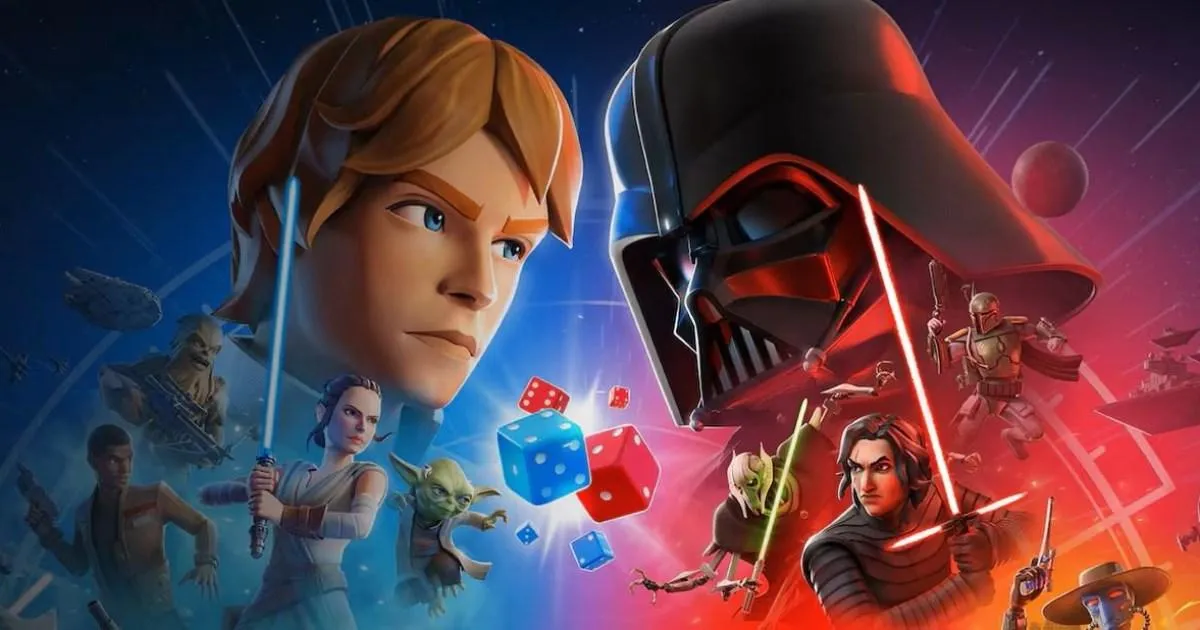
Monopoly: Star Wars Heroes Vs. Villains Review – Board Game Conversion
Monopoly – While the latest Star Wars films may be struggling to capture the same magic as their predecessors, the franchise continues to find new ways to engage fans. This latest addition to the Monopoly universe is a bold attempt to merge the iconic board game with the galaxy’s most beloved characters, creating an experience that is as much about strategy as it is about storytelling.
Origins of Monopoly
Monopoly’s roots trace back to 1903, when it was first conceived as The Landlord’s Game, a social commentary on the dangers of unchecked capitalism. The game was designed to illustrate the pitfalls of rentier economies and highlight the necessity of effective taxation. Its original premise was simple: players would compete to accumulate wealth through property ownership, eventually forcing their opponents into financial ruin. This utilitarian approach, though stark, was intended to mirror the harsh realities of economic disparity.
Over time, the game evolved from a critique of society into a global phenomenon. Custom versions were released in countries around the world, each tailored to local culture and geography. For instance, some editions featured landmarks and utilities familiar to players in specific regions, such as Tokyo’s neon-lit streets or London’s bustling railway network. These localized adaptations helped Monopoly transcend its origins and become a cultural touchstone.
Monopoly in the Digital Age
The game’s versatility has made it a fertile ground for innovation. Over the years, it has been reimagined in countless forms, from GayMonopoly to Ghettopoly, which incorporates elements of urban blight and crime. While these variations often lean into niche humor or social critique, Hasbro has embraced the concept with its own range of officially licensed adaptations. From South Park to Call of Duty, the publisher has transformed the game into a cross-platform experience, appealing to fans of every genre.
Video game spin-offs have further expanded Monopoly’s reach. The first iteration, released in the late 1990s, was a PC-only title that, while functional, lacked the depth of its tabletop counterpart. Yet, it laid the groundwork for more ambitious digital versions. In recent years, the franchise has seen a resurgence, with Ubisoft holding the licence for the past decade. Their efforts have led to a variety of releases, including the 2024 launch of New Monopoly, which offers a faithful recreation of the classic rules but with a modern twist.
Star Wars: A New Frontier
This month’s Monopoly: Star Wars Heroes Vs. Villains takes the concept even further, weaving the galaxy’s lore into its mechanics. Unlike the traditional version, where players compete individually, this adaptation introduces team-based gameplay. Teams can consist of two or three players, with AI-controlled characters stepping in to fill any gaps. This shift emphasizes collaboration, as players must work together to navigate the game’s unique challenges.
Instead of simply accumulating wealth through property transactions, the objective here is to amass influence points. These points are earned by completing a series of actions, such as passing Go or successfully acquiring key locations. The maximum number of influence points required to win is eight, a goal that can take over an hour to achieve. While shorter games are accessible, they often feel more luck-based than strategic, with limited opportunities to outmaneuver opponents. This balance between chance and tactics is a hallmark of the original Monopoly, but the Star Wars version adds a new layer of complexity.
Gameplay Mechanics and Star Wars Integration
Each turn in Star Wars Heroes Vs. Villains involves rolling two animated dice, moving across the board, and interacting with properties. Neutral squares can be purchased or claimed by paying double the face value, while occupied squares require paying rent. The game introduces Star Wars-specific elements, such as outposts and bases, which serve as the equivalent of houses and hotels in the original Monopoly. These features not only enhance immersion but also provide new ways to strategize and gain an advantage.
One of the standout aspects of this adaptation is the inclusion of unique character abilities. For example, Rey’s special power allows her to challenge a random Dark Side player, stealing 300 credits if she prevails. While this ability adds an element of surprise, it raises questions about its alignment with the Jedi’s principles of balance and harmony. Other characters offer distinct advantages, such as the Hutt beauty pageant, where finishing second grants players additional credits. These mechanics keep the game dynamic and engaging, even in the face of its more traditional roots.
Chance cards are also reimagined with a Star Wars twist. Instead of generic financial events, they now reflect the galaxy’s diverse landscapes and conflicts. For instance, Canto Bight squares introduce betting opportunities, where players can place wagers on dice rolls and leverage characters’ skills for further gains. These variations not only enrich the gameplay but also create a sense of narrative cohesion, linking the board’s mechanics to the broader Star Wars universe.
Design Choices and Room for Improvement
Despite its creative approach, the game makes some concessions to the classic Monopoly formula. Notably, it omits John Williams’ iconic score, which was a staple of the original franchise. While this decision allows for a fresh auditory experience, it leaves a void that could have been filled by the franchise’s signature music. However, the game compensates with voiceovers from actual Star Wars actors, including Anthony Daniels as C-3PO. These performances breathe life into the characters, adding a level of authenticity that enhances the overall experience.
Another point of interest is the game’s emphasis on teamwork. The absence of solo play means players must rely on their AI partners to maintain momentum. While this can be advantageous, it also reduces the tension of direct competition. The game’s designers have clearly aimed to create a new experience, but some elements, such as the reliance on chance in shorter matches, may not satisfy all players. Nonetheless, the inclusion of diverse mechanics and Star Wars-specific content makes it a compelling addition to the franchise.
In summary, Monopoly: Star Wars Heroes Vs. Villains succeeds in transforming the classic game into a more interactive and immersive experience. By integrating the Star Wars universe into its mechanics, it offers a fresh take on the board game while retaining the core elements that have made Monopoly a timeless favorite. Whether players are drawn to the strategic depth of the new rules or the nostalgic appeal of the original, this adaptation proves that the franchise is still capable of evolving and capturing the imagination of its audience.
“The game’s slow grind into insolvency, of all but one player, intended to mete out harsh real-world lessons to its players.”
While the original Monopoly was a tool for economic education, this version leans more into entertainment and storytelling. It’s a testament to the franchise’s enduring appeal that it can be reimagined so creatively, even in the face of its own storied history. As the Star Wars universe continues to expand, this board game adaptation offers a unique entry into the galaxy, blending the familiar with the fantastical in a way that feels both novel and nostalgic.