
Kate Middleton Breaks Royal Wimbledon Tradition on Day Four
Kate Middleton breaks royal tradition at Wimbledon – On the fourth day of Wimbledon, Kate Middleton took a bold step by departing from established royal customs, creating a stir among spectators. The Princess of Wales opted to move beyond the Royal Box, a symbol of the monarchy’s longstanding role in the tournament, and instead joined fans on the outside courts. This action, which diverged from past traditions, emphasized her evolving presence at the event and highlighted a more down-to-earth approach to royal engagement. Her decision to mingle with attendees marked a significant moment in the history of the Wimbledon experience.
A Departure from Established Royal Norms
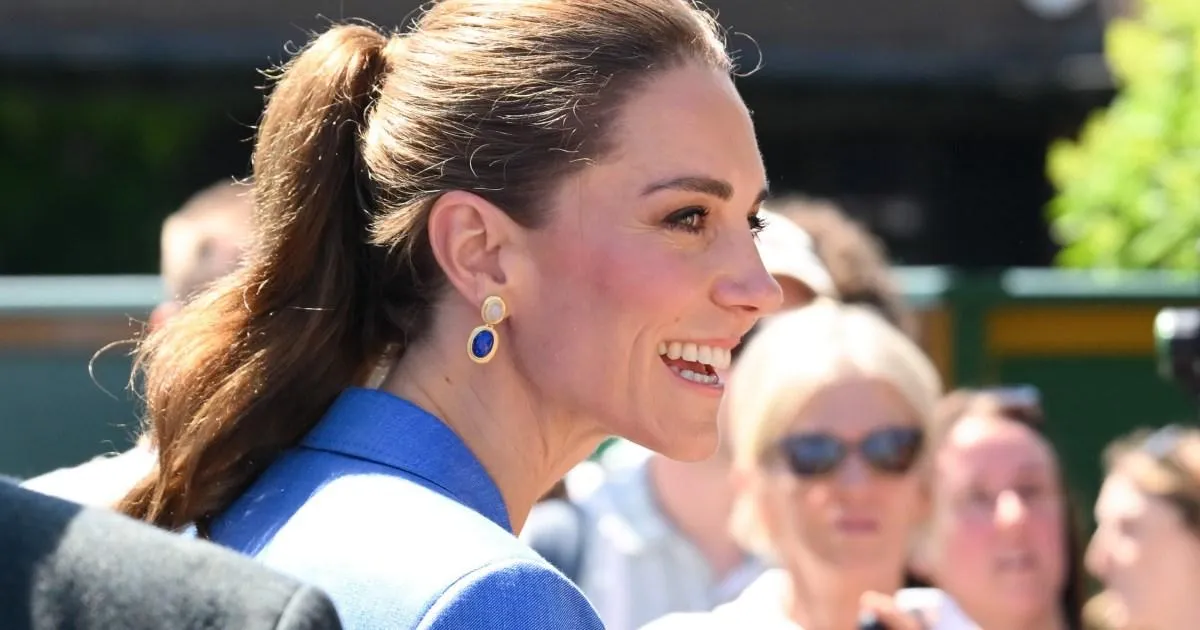
As the All England Lawn Tennis Club (AELTC) buzzed with energy, Kate’s choice to sit on Henman Hill became a focal point of discussion. The location, known for its panoramic views and lively atmosphere, allowed her to connect with the public in a way that contrasted with the formal setting of the Royal Box. Her appearance on the grass received widespread praise, with many applauding her effort to blend royal duty with personal charm. This shift underscored her role as a modern royal figure who embraces accessibility over exclusivity.
Kate’s recent endeavors, such as completing the Three Peaks Challenge, had already showcased her commitment to active living. However, her participation on day four of Wimbledon demonstrated a unique blend of public service and personal enjoyment. By stepping away from the usual royal protocol, she made her presence more relatable, drawing smiles and admiration from fans who appreciated her willingness to engage directly. This act of breaking tradition not only reflected her adaptability but also reinforced her image as a bridge between the monarchy and the people.
Connecting with the Heart of Wimbledon
During her time on the outside courts, Kate interacted with fans who had spent hours waiting for a chance to meet her. Her warmth and approachability turned the experience into something more than just a royal appearance—it became a shared moment of connection. By greeting individuals and even handing out tickets to two excited fans, she demonstrated a hands-on attitude that resonated with attendees. These interactions, simple yet meaningful, highlighted her dedication to making Wimbledon a more inclusive event.
Her engagement with volunteers and stewards further emphasized this theme. Kate’s conversations with those who manage the ticket queues revealed an appreciation for the people who contribute to the tournament’s success. This approach, which prioritized human interaction over ceremonial formality, marked a new era for the royal presence at Wimbledon. As she moved through the crowd, her actions sent a clear message: the monarchy is adapting to modern expectations by being more accessible and relatable.
While the royal family has traditionally been a key part of Wimbledon’s legacy, Kate’s actions this year suggested a more dynamic involvement. Her decision to break royal tradition on day four demonstrated a balance between her duties and her desire to connect with the event’s grassroots supporters. This blend of tradition and innovation could signal a broader shift in how the monarchy interacts with public events, ensuring that their presence remains both symbolic and meaningful.
Kate’s continued participation in Wimbledon reflects her ongoing commitment to the tournament and its values. By choosing to break tradition, she not only aligned with the spirit of the event but also set a precedent for future royal engagements. Her actions have sparked conversations about the evolving role of the monarchy in public life, where tradition meets the demands of a more connected society. As the tournament progresses, her influence on the Wimbledon experience is likely to grow, shaping its future in unexpected ways.