
Kylian Mbappe Condemns Despicable Paraguayan Senator After World Cup Racist Rant
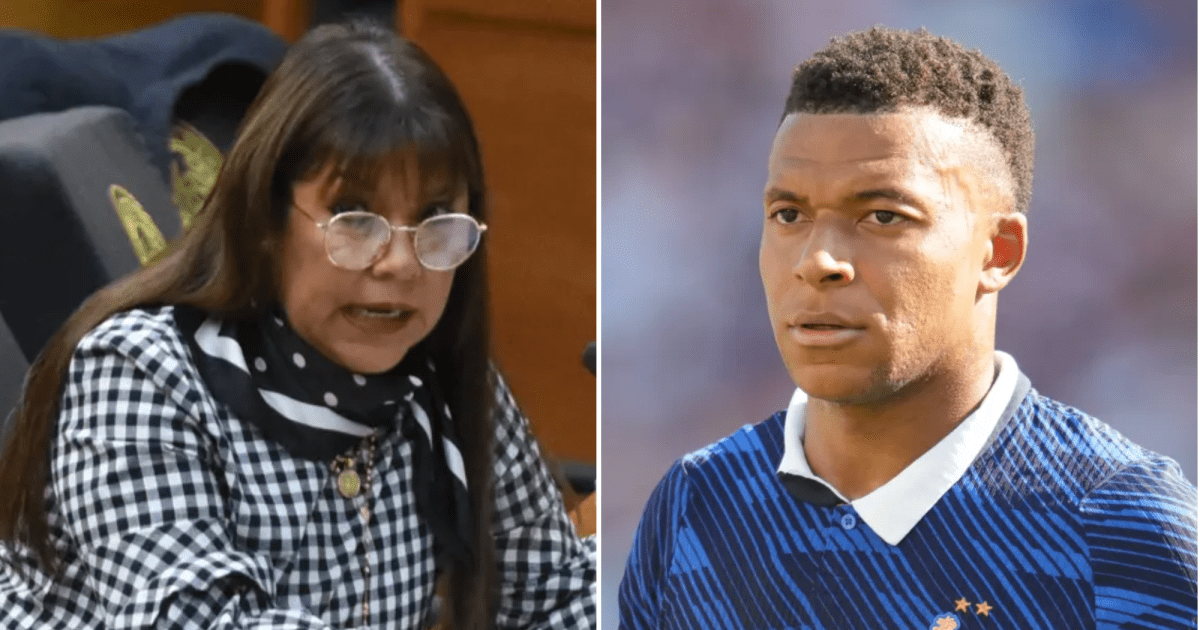
Kylian Mbappe condemns despicable Paraguayan senator – Kylian Mbappe denounces despicable Paraguayan senator for her racist comments following France’s World Cup victory. The French star, known for his precision and impact on the field, took to social media to criticize Senator Celeste Amarilla after her harsh remarks on X. Amarilla’s attack on Mbappe, a key player in France’s campaign, highlighted tensions between the two nations and sparked a broader conversation about racial prejudice in sports.
France’s Victory and Paraguay’s Aggressive Tactics
France’s 1-0 win over Paraguay in the Round of 16 was a defining moment in the tournament. Mbappe’s penalty in the 70th minute sealed the victory, but the match was marked by Paraguay’s physical style. Critics argued that their relentless approach, particularly against France’s technical play, fueled the senator’s subsequent outburst. Ex-England goalkeeper Joe Hart called their tactics “an absolute disgrace,” emphasizing the clash of styles and the emotional stakes.
The intensity of the match, combined with the national pride on both sides, created a fertile ground for controversy. While Paraguay’s energy was praised by some, others felt their methods crossed into unfairness, especially after the French team’s composure under pressure. This backdrop of tension amplified the impact of Amarilla’s racist remarks, which targeted Mbappe and reflected broader frustrations.
The Senator’s Racist Comments and Their Impact
Senator Celeste Amarilla’s racist rant on X quickly drew attention. Using a photo of Mbappe celebrating near Paraguay’s goalkeeper, she mocked the player’s appearance and literacy, claiming he “sucked on coconuts” instead of “mother’s milk.” Her words were not just personal but symbolic of racial stereotypes, with critics pointing out the metaphorical reference to an “African team.”
“The brute didn’t even learn to write. Instead of mother’s milk, he sucked on coconuts, and the most educated thing he heard were chimpanzees. You should’ve shown him the finger, Orlando Gill; I do it in the senate and nothing happens!!”
Amarilla’s remarks were seen as an extension of the pre-match rhetoric, where former Paraguayan goalkeeper Jose Luis Chilavert had already stirred controversy by calling France’s team an “African team” in Philadelphia. This set the stage for the senator’s attack, which many viewed as a reflection of deep-seated biases in Paraguay’s political and sports culture.
Mbappe’s Defiant Reaction and Call for Unity
Just one day after Amarilla’s racist outburst, Mbappe responded with force. He labeled her a “despicable woman” and criticized her for undermining Paraguay’s cultural identity. “You do not represent Paraguay,” he wrote, “that country which has sweated passion and honour throughout the competition.” His message emphasized unity, arguing that racism threatened the shared values of football and the global community.
By defending his own dignity, Mbappe also highlighted the importance of inclusivity in sports. He stated that the senator’s comments caused the world to forget the effort Paraguay’s players had invested. “Through your recklessness and brazen racism, the entire world has already forgotten the journey and historic effort that your players accomplished during this World Cup,” he added, vowing to stand against such prejudice.
Broader Implications for International Sports
The incident reignited debates about racism in international sports, with Mbappe’s response serving as a powerful statement. While France advanced to the quarter-finals, the emotional weight of the senator’s remarks added another layer to the tournament’s narrative. The French Football Federation swiftly condemned Chilavert’s earlier comments, but Amarilla’s outburst underscored the need for ongoing vigilance against racial slurs in both sports and politics.
As the World Cup continued, the focus shifted to how such incidents could affect the sport’s global image. Mbappe’s condemnation of the despicable Paraguayan senator became a rallying point for players and fans, reinforcing the idea that football should be a platform for unity, not division. The dialogue sparked by this event could influence future interactions between nations and athletes on the world stage.