
FAA slashes hiring target, saying it can keep the skies safe with fewer air traffic controllers than it thought
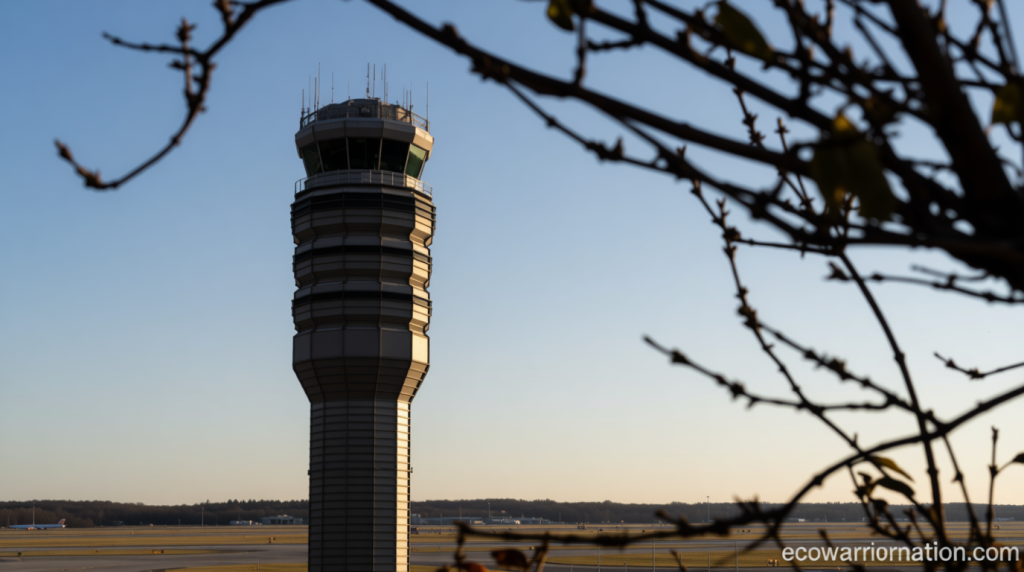
FAA Slashes Hiring Target, Optimizing Air Traffic Control Workforce
FAA slashes hiring target saying it can – The Federal Aviation Administration has revised its staffing goals, reducing the number of air traffic controllers it plans to hire by 2,000. This adjustment comes as the agency asserts it can maintain airspace safety with a smaller team, citing advancements in technology and operational methods. The updated projection sets a target of 12,563 certified controllers by 2028, down from the 14,633 outlined in the 2024 Workforce Plan. The FAA’s decision reflects a shift toward efficiency, aiming to align personnel needs with evolving air traffic patterns.
New Staffing Approach
According to the FAA’s revised strategy, modern tools and data analytics will enable the agency to manage air traffic more effectively despite the reduced workforce. The plan includes streamlined scheduling and enhanced training programs to improve productivity. FAA Administrator Bryan Bedford highlighted the importance of adapting operations, stating, “We’re changing how we hire, train and schedule our controller workforce – and providing them with the state-of-the-art tools they need to succeed.” This marks a significant departure from previous practices, which relied heavily on maintaining a large, static number of controllers.
Current Workforce Gaps
The new target remains above the current count of 11,000 certified controllers in the U.S., yet the agency acknowledges challenges in meeting this goal. With 4,000 trainees in the pipeline, the FAA faces a two-year certification timeline, which could strain its ability to fill positions promptly. Additionally, the retirement age of 56 for controllers creates a steady turnover rate, further complicating staffing efforts. The revised plan also includes a review of facility operating hours to better match traffic demands with personnel availability.
Historically, the FAA has struggled with staffing shortages, leading to mandatory overtime and flight delays. In 2024, the agency was 4,000 controllers short of full staffing, resulting in over 2.2 million overtime hours and an estimated $200 million in additional costs. These challenges have been exacerbated by a government shutdown in the fall of 2025, during which some controllers were unpaid for weeks. The incident caused several resignations, prompting the Department of Transportation to boost recruitment efforts.
“We’re changing how we hire, train and schedule our controller workforce – and providing them with the state-of-the-art tools they need to succeed,” FAA Administrator Bryan Bedford said in a statement.
Transportation Secretary Sean Duffy has committed to “supercharging” the hiring process, announcing pay increases and a more efficient recruitment system to attract candidates. The initiative includes a “brand new air traffic control system” designed to improve efficiency and offer redundancy. This system is expected to not only ease the workload on current staff but also create a more appealing environment for future hires. The FAA’s plan outlines specific hiring targets for the next three years, with 2,200 candidates needed in 2026, 2,300 in 2027, and 2,400 in 2028.
While the revised numbers may ease immediate pressures, long-term workforce sustainability remains a concern. The FAA must not only attract enough applicants but also ensure they complete training and remain with the agency past their retirement age. Success will depend on balancing recruitment, retention, and technological integration to sustain safety and efficiency in the nation’s airspace system. This strategy aims to modernize operations while addressing the staffing challenges that have plagued the agency for years.
