
Cuba is going dark under US pressure. How the crisis unfolded and why its troubles are far from over
Cuba is going dark under US pressure. How the crisis unfolded and why its troubles are far from over
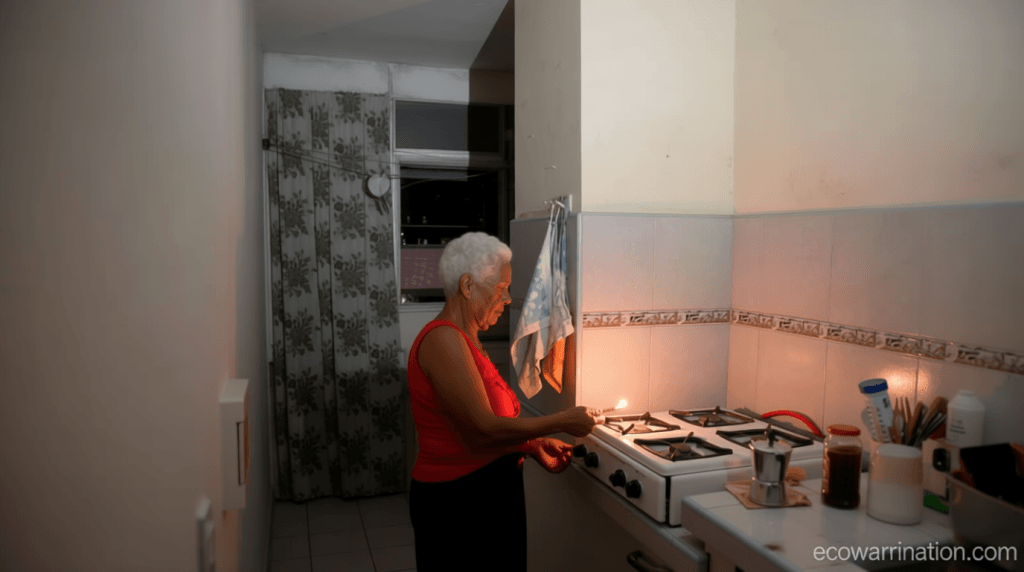
Three months into a US-imposed oil embargo, Cuba’s energy crisis has intensified, creating widespread challenges across society. Trash accumulates on Havana’s streets, hospitals face limited operations, households rely on wood fires for heating, and power outages have become routine. President Miguel Díaz-Canel highlighted the strain in a televised press conference, emphasizing that solutions are being pursued but acknowledging the complexity of the task.
The roots of the embargo
Since the 1960s, the United States has enforced an economic embargo on Cuba, costing the nation “trillions of dollars” and hindering its “overall human development,” as noted by a United Nations report. Despite global calls to ease sanctions, recent actions have escalated pressure on the communist-run island. In early January, the US severed Cuba’s primary oil supply from Venezuela following a military operation that captured its leader and disrupted shipments.
Shifting oil dependencies
Weeks later, Cuba lost access to oil from other sources, including Mexico, after the US threatened additional tariffs. Havana’s alignment with “hostile countries and malign actors,” along with hosting their military and intelligence operations, was cited as justification. Cuba disputes these claims. Without oil, which powers vehicles and generates electricity, the country’s energy shortages have worsened. Díaz-Canel reported that power outages, already frequent, have grown more severe in the first months of the year.
Disruptions beyond power
Antonio Rodríguez Rodríguez, head of the National Institute of Hydraulic Resources (INRH), noted that the fuel crisis is also affecting water distribution. The agency is exploring solar panels to cut reliance on the electrical grid. Meanwhile, the government claims it is boosting domestic oil production to counteract the shortfall. CNN has contacted INRH and Aguas de La Habana for updates on mitigation efforts.
Humanitarian toll
“Tens of thousands” of Cubans are waiting for medical procedures unable to proceed due to electricity shortages, Díaz-Canel stated. Garbage trucks, lacking fuel, have left streets in Havana littered with waste. Public transport has been reduced, causing long waits at stations and overcrowded buses. CNN has sought comments from transportation and health ministries.
“The humanitarian situation in Cuba was already extremely fragile, but the electricity crisis is pushing many essential services to the limit,” said Juanita Goebertus, Americas director at Human Rights Watch. “People don’t have reliable access to drinking water, hospitals can’t operate safely, basic goods are becoming increasingly difficult to obtain, and garbage is piling up in the streets.”
Protests erupt amid hardship
Public protests, rare in Cuba, have emerged as frustration grows. On March 7, Havana residents used pots, pans, and bonfires to demonstrate against the energy crisis. Days later, students at the University of Havana gathered peacefully, citing disrupted studies due to power and internet outages. Another protest in Morón saw demonstrators damage the Communist Party’s local headquarters. Authorities reported five arrests, linking the unrest to energy and food access issues.
