
Cuban president promises ‘impregnable resistance’ to any US attempt to control island
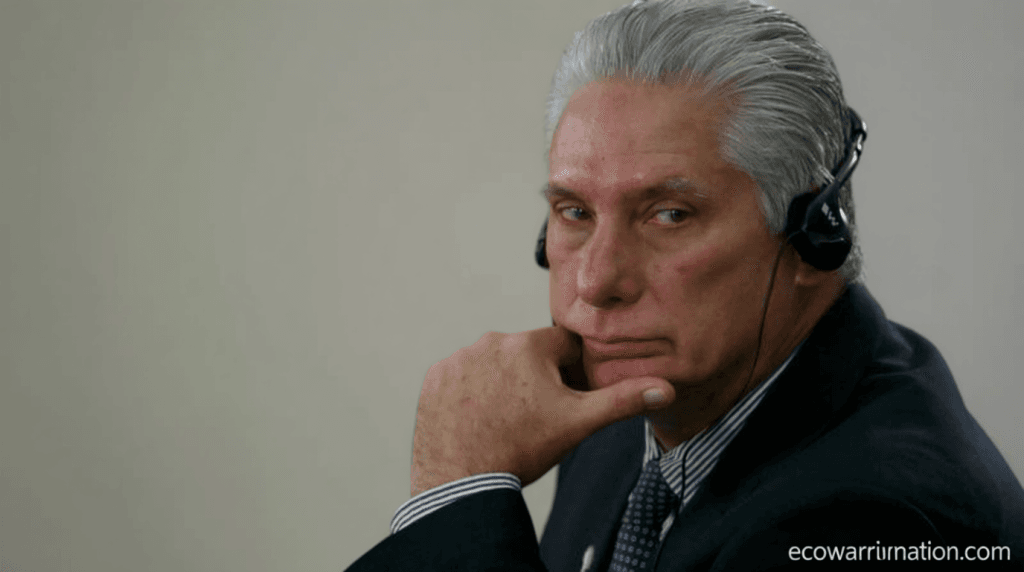
Cuban President Vows Unshakable Defiance Against U.S. Control
After a widespread power grid failure left much of Cuba in darkness, President Miguel Díaz-Canel reiterated his pledge that the nation would resist any U.S. attempt to assert dominance. The crisis, which stranded millions without electricity, prompted him to emphasize that Cuba’s response would be “impregnable resistance,” according to a recent statement on X.
Díaz-Canel accused Washington of using economic vulnerabilities as a justification for its longstanding efforts to isolate Cuba. “This explains the fierce economic war applied as collective punishment against the entire people,” he wrote, highlighting the nation’s resolve despite the challenges. He noted that Cuba remains steadfast, asserting that any external force seeking to take control would face an unyielding counter.
US Pressure and Political Commentary
Recent remarks by former President Donald Trump had reignited tensions, with the U.S. leader suggesting Cuba’s leadership was vulnerable to takeover. Trump stated on Tuesday that “something with Cuba will happen soon,” fueling speculation about potential actions. In response, Secretary of State Marco Rubio characterized the situation as requiring “new people in charge,” claiming the current leadership had failed to stabilize the economy.
Economic Strain and Power Crisis
Cuba’s economic difficulties intensified when the U.S. restricted its oil supply, crippling the aging power infrastructure. On Monday, nearly the entire population of 10 million faced blackouts, forcing households to rely on gas lamps and candles. Schools and sports events were disrupted, while waste management struggled without fuel for trucks.
By Tuesday, power had been restored to approximately 55% of Havana residents, along with some regions in the western and central-eastern parts of the island. The outages have worsened daily hardships, which have persisted for months. Yet, Díaz-Canel confirmed that Cuban officials had initiated discussions with the U.S. to address “bilateral problems needing resolution,” marking the first public acknowledgment of such talks.
Public Sentiment and Uncertainty
“As civilians, we’re not ready for war,” said Marianela Alvarez, a Havana resident. “I want Trump to understand—leave us alone.”
While some Cubans expressed hope for dialogue, others remained skeptical. Luis Enrique Garcia, another local, acknowledged fears for the country’s stability but believed conversations could still lead to understanding. “Love should unite humans, not conflict,” he said. However, Amed Echenique doubted the prospects, stating, “I don’t trust Trump as a person—his actions give me little hope.”
