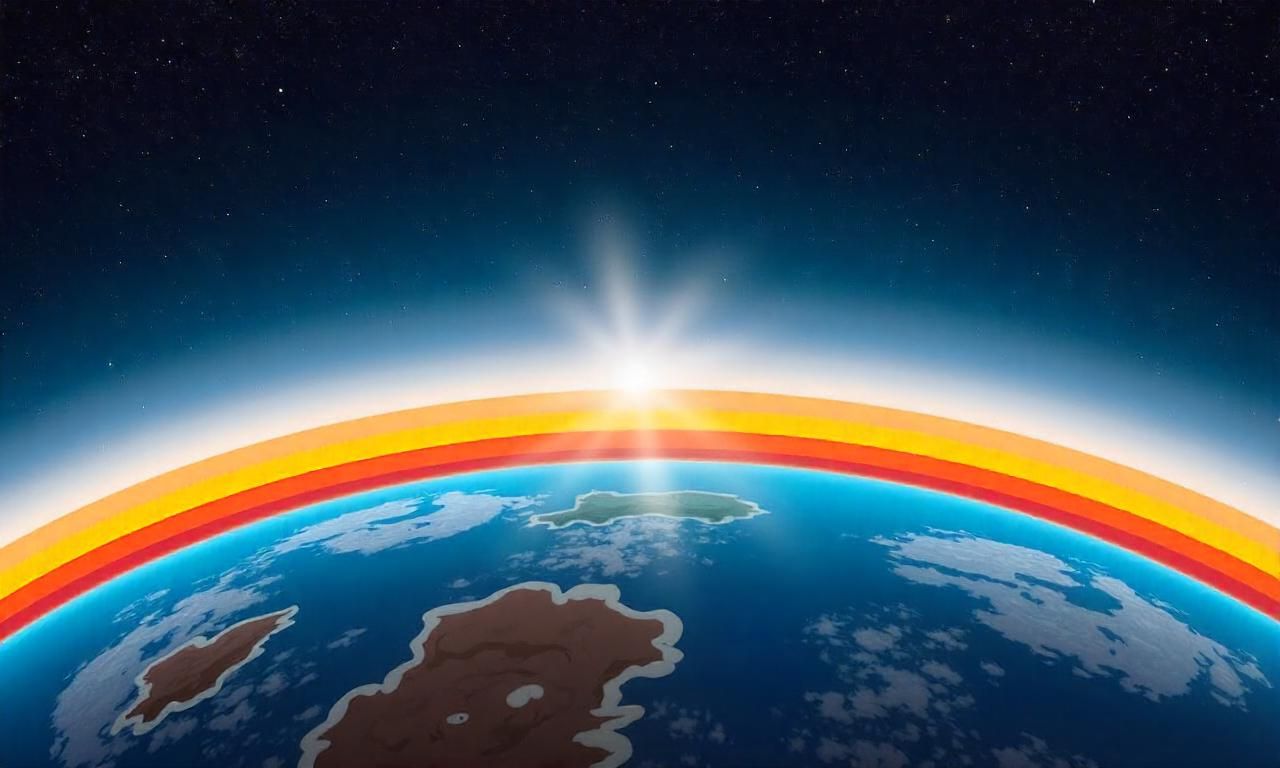
What Are the Layers of the Earth's Atmosphere? A Complete Guide Understanding the layers of the Earth's atmosphere is essential for grasping how life on our planet is sustained and how natural phenomena like weather, climate, and air travel function. The atmosphere acts as a protective shield, regulating temperature, filtering harmful solar radiation, and enabling the existence of life. This guide explores each of the Earth’s atmospheric layers, their characteristics, and their significance in the natural world. Whether you’re a student, a science enthusiast, or simply curious about the world around you, this article will provide a comprehensive overview of the complex structure that surrounds our planet. — 1. The Troposphere: The Layer We Live In The Troposphere is the lowest and most dense layer of the Earth’s atmosphere, stretching from the surface up to about 7 to 20 kilometers (4 to 12 miles) in altitude, depending on the location and season. This layer is where all weather phenomena occur, making it the most dynamic and directly impactful part of the atmosphere. It contains approximately 75% of the atmosphere’s total mass and 99% of the water vapor and clouds that we encounter daily. One of the defining features of the troposphere is its temperature gradient. As altitude increases, temperature generally decreases, which is why mountainous regions are cooler than low-lying areas. This temperature inversion (where temperature rises with altitude) is rare but can occur during specific weather conditions. The layer is also characterized by its mix of gases, primarily nitrogen and oxygen, with trace amounts of argon, carbon dioxide, and water vapor. These components play a critical role in maintaining the Earth’s climate and supporting life. The troposphere is vital for sustaining life on Earth. It traps heat through the greenhouse effect, regulates the planet’s temperature, and facilitates the water cycle. Additionally, it contains the ozone layer, which, although more prominent in the stratosphere, is also present in this layer and helps protect the surface from ultraviolet radiation. The troposphere is divided into sublayers, including the boundary layer (near the surface) and the free troposphere (above that), each with distinct properties and functions. The boundary layer interacts directly with the Earth’s surface, influencing air quality and weather patterns, while the free troposphere is where most atmospheric processes like wind and air pressure variations take place. 1.1. Composition of the Troposphere The troposphere is composed mainly of nitrogen (78%), oxygen (21%), and argon (0.93%). Other gases like carbon dioxide (0.04%), neon (0.0018%), and water vapor make up the remaining percentage. Water vapor is particularly significant, as it contributes to cloud formation, precipitation, and the greenhouse effect, which helps maintain Earth’s temperature. 1.2. Temperature and Pressure Variations The troposphere experiences the most dramatic temperature changes. At the surface, temperatures can vary widely, but they typically decrease with altitude at a rate of about 6.5°C per kilometer (a phenomenon known as the lapse rate). This layer is also where air pressure drops rapidly, decreasing by about 50% every 5.6 kilometers. These variations in temperature and pressure are key factors in weather patterns, including storms, high and low-pressure systems, and temperature inversions. 1.3. Role in Weather and Climate The troposphere is the primary layer responsible for weather systems. It contains the hydrosphere (water vapor) and atmospheric dynamics that drive wind, precipitation, and temperature changes. The ozone layer is also present here, although it is more concentrated in the stratosphere. This layer is crucial for cloud formation, air quality, and the water cycle, which sustains ecosystems and human activities. — 2. The Stratosphere: Home to the Ozone Layer Above the troposphere, the Stratosphere extends from about 10 to 50 kilometers (6 to 31 miles) in altitude. This layer is unique because it contains the ozone layer, a region of the atmosphere rich in ozone molecules (O₃). The ozone layer is vital for protecting life on Earth by absorbing harmful ultraviolet (UV) radiation from the sun. The stratosphere is characterized by a temperature inversion. Unlike the troposphere, where temperature decreases with altitude, the stratosphere experiences a gradual increase in temperature due to the absorption of UV radiation by ozone. This creates a stable environment, which is why airplanes often fly in this layer for long-haul travel—it offers smoother air and is less turbulent than the troposphere. The stratosphere also contains the ionosphere, a region where charged particles interact with solar radiation. The ozone layer is a key feature of the stratosphere, but its role goes beyond just UV protection. It plays a significant part in atmospheric chemistry, influencing the balance of gases and the formation of ozone holes. Additionally, the stratosphere is home to the jet stream, a high-altitude wind system that affects weather patterns and aircraft navigation. Its stable conditions make it an important layer for both scientific research and practical applications like aviation. 2.1. Composition and Density The stratosphere consists of dry air with a lower concentration of water vapor compared to the troposphere. The primary gases are nitrogen, oxygen, and argon, but the ozone layer stands out due to its high concentration of ozone molecules. These molecules are formed when oxygen (O₂) is split by UV radiation and then recombined into O₃. This process, called photolysis, is a critical part of the atmospheric chemistry in the stratosphere. The density of the stratosphere decreases as altitude increases, making it less dense than the troposphere. However, it still retains enough mass to support aerobatic maneuvers and high-altitude research. The stratosphere is also where the electrically charged ions in the ionosphere are found, contributing to radio wave propagation and atmospheric phenomena like auroras. 2.2. Role in UV Protection The ozone layer in the stratosphere is a natural shield against harmful solar radiation. By absorbing UV-B and UV-C rays, it reduces the amount of radiation that reaches the Earth’s surface, which is crucial for protecting living organisms from DNA damage and skin cancer. However, human activities like the release of chlorofluorocarbons (CFCs) have led to ozone depletion, creating ozone holes over the Antarctic and Arctic regions.
The Difference Between a Star and a Planet Explained
When we gaze up at the night sky, we see a tapestry of countless shimmering lights. To the naked eye, they might all seem the same—distant, twinkling dots against a canvas of infinite black. Yet, these celestial bodies are fundamentally different. Some are gargantuan balls of fire, while others are cold, rocky, or gaseous worlds much like our own. Understanding these distinctions is the first step to comprehending our place in the cosmos. So, what is the difference between a star and a planet? While they both inhabit the same universe, they are as different as a bonfire and a stone, defined by their birth, composition, and their very reason for being. This article will explain in detail the fundamental characteristics that separate a star from a planet. The Fundamental Definition: The Engine of Light and Heat The single most important difference between a star and a planet lies in their ability to generate energy. One is a cosmic powerhouse, a self-sustaining nuclear reactor, while the other is a passive object that merely reflects the light of its parent. This core distinction is the foundation upon which all other differences are built. It dictates their temperature, their appearance, and their role within a celestial system. At its heart, a star is a luminous ball of plasma held together by its own immense gravity. The defining characteristic of a star is that it produces its own light and heat through a process called thermonuclear fusion. This process takes place in the star's core, where unimaginable pressure and temperatures, often exceeding 15 million degrees Celsius (27 million degrees Fahrenheit), force lighter atomic nuclei to fuse into heavier ones. For most of a star's life, this involves fusing hydrogen atoms into helium. This reaction releases an enormous amount of energy, which radiates outward, pushing against the inward pull of gravity and creating the light and heat that we observe. A planet, on the other hand, is fundamentally different because it lacks the mass to ignite and sustain thermonuclear fusion. A planet is a celestial body that orbits a star, is large enough to have been rounded by its own gravity, and has "cleared its neighborhood" of other smaller objects. It does not have an internal engine generating its own light. The light we see from planets like Venus, Mars, or Jupiter in our night sky is not their own; it is reflected sunlight. They are like cosmic mirrors, catching the brilliance of their local star and shining it back into space. While planets can have hot internal cores due to leftover heat from their formation and radioactive decay, this heat is insignificant compared to the ferocious energy output of a star. Formation and Origins: A Tale of Two Births The story of how stars and planets are born is dramatically different, though it often begins in the same place: a giant, cold cloud of gas and dust known as a nebula. These cosmic nurseries contain all the raw materials needed for creation. However, the path from a diffuse cloud to a star versus a planet diverges based on one critical factor: a "winner-takes-all" scenario driven by gravity. The Birth of a Star A star begins its life in the densest regions of a nebula. A trigger, such as a shockwave from a nearby supernova or a gravitational disturbance, causes a pocket of gas and dust to begin collapsing under its own gravity. As this cloud of material—mostly hydrogen—spirals inward, it starts to spin faster and heat up, forming a hot, dense core known as a protostar. This stage can last for hundreds of thousands of years as the protostar continues to accumulate more and more mass from the surrounding cloud. This accumulation of mass is the critical step. The protostar's gravity becomes increasingly powerful, pulling in more material and causing the pressure and temperature at its core to skyrocket. Eventually, a tipping point is reached. If the protostar has gathered enough mass (at least 8% of the Sun's mass), the core becomes so hot and dense that thermonuclear fusion ignites. This explosive start marks the true birth of a star. The outward pressure from the fusion energy balances the inward crush of gravity, creating a stable, long-lasting star that will shine for billions, or even trillions, of years. The Genesis of a Planet Planets, in contrast, are formed from the leftovers. After a star is born from the main gravitational collapse, a flat, spinning disc of gas and dust, known as a protoplanetary disk, remains in orbit around the newborn star. This disk contains all the material that wasn't consumed by the star itself. Within this disk, the process of planet formation, known as accretion, begins. It is a much less dramatic, bottom-up process compared to the top-down collapse that forms a star. Initially, tiny dust grains and ice particles begin to stick together due to electrostatic forces, like dust bunnies forming under a bed. Over millions of years, these clumps grow larger, forming pebble-sized objects, then boulder-sized objects, and eventually kilometer-wide bodies called planetesimals. These planetesimals have enough gravity to start attracting each other, leading to collisions and mergers. Through this chaotic process, they grow into larger protoplanets, and finally, after clearing out their orbital path, they become full-fledged planets. This is why planets are found orbiting stars—they are born from the star's own circumstellar nursery. Composition and Physical Characteristics The differences in formation directly influence what stars and planets are made of. One is an almost uniform ball of superheated gas, while the other can exhibit a stunning variety of surfaces, atmospheres, and internal structures. A Star's Fiery Makeup Stars are overwhelmingly simple in their composition, though their physical state is extreme. They are composed almost entirely of the two lightest elements: Hydrogen (~75%) Helium (~24%) The remaining 1-2% is made up of trace amounts of heavier elements, which astronomers collectively call "metals." Importantly, this material exists in a state of matter known as plasma. In a plasma, the intense
What Is Culture Shock & How to Deal With It: A Guide
Of course. As an SEO expert, I will create a comprehensive, engaging, and unique SEO-optimized article on culture shock, following all your instructions and best practices. — Moving to a new country is an exhilarating prospect. Your mind is filled with images of exploring new landscapes, tasting exotic foods, and embracing a different way of life. It’s an adventure, a fresh start, a chapter waiting to be written. But amidst this excitement, there is a common, yet often misunderstood, challenge that nearly every expatriate, student, and long-term traveler faces: culture shock. It's a powerful emotional and psychological response to the unfamiliar. This guide is designed to be your comprehensive resource on what is culture shock and how to deal with it, transforming a potentially overwhelming experience into a journey of profound personal growth. What Is Culture Shock: More Than Just "Missing Home" At its core, culture shock is the feeling of disorientation experienced by someone who is suddenly subjected to an unfamiliar culture, way of life, or set of attitudes. It's far more complex than simple homesickness. While missing friends, family, and familiar comforts is part of it, culture shock stems from the loss of your familiar social, environmental, and cultural cues. Every subtle sign you use to navigate daily life—how to greet someone, how to queue at a store, the appropriate volume for conversation, even what constitutes a "normal" breakfast—is suddenly gone or replaced by a new, confusing set of rules. This loss of the familiar triggers a genuine psychological response. Your brain, which is accustomed to running on autopilot for most social interactions, is suddenly forced to consciously process every minor detail. This constant mental effort is exhausting and can lead to heightened anxiety, irritability, and a profound sense of isolation. You may feel like an outsider looking in, unable to connect with your new environment in a meaningful way. It's crucial to understand that this is not a sign of personal failure or an inability to adapt; it's a normal and predictable reaction to a significant life change. Ultimately, culture shock is a process of adjustment, not a permanent state of being. It's a journey that involves confronting differences, questioning your own cultural assumptions, and eventually building new frameworks for understanding the world. Many experts, like the notable anthropologist Kalervo Oberg who first popularized the term in the 1950s, have mapped this journey into distinct stages. Recognizing these stages is the first step toward navigating them successfully and emerging on the other side with a more adaptable, resilient, and global mindset. The Four Stages of Culture Shock: A Journey of Adjustment The most widely recognized model for understanding the process of cultural adjustment is the "U-Curve," which outlines four primary stages. While the timeline and intensity of each stage vary from person to person, understanding this framework provides a valuable roadmap. It helps you recognize where you are in the process, normalize your feelings, and see the light at the end of the tunnel. The Honeymoon Stage This is the initial period of fascination and excitement. Everything about the new culture seems wonderful, romantic, and adventurous. You are captivated by the differences in architecture, the taste of new foods, the sound of a foreign language, and the local customs. During this stage, you tend to focus on the similarities between the new culture and your own, and you often perceive the differences in a positive, almost poetic light. You're essentially a tourist, insulated from the more mundane and challenging aspects of daily life. This feeling of euphoria is fueled by the novelty of the experience. You are likely on your best behavior, and locals may treat you with the special courtesy reserved for a guest. You may have planned this move for months or years, so your energy is high and your outlook is overwhelmingly positive. However, this stage is, by its nature, temporary. As the initial excitement wears off and the realities of setting up a life—like navigating bureaucracy, finding a permanent home, or starting a new job—begin to set in, the journey moves into its next, more challenging phase. The Frustration/Anxiety Stage (The "Crisis") This is the stage most people associate with the term "culture shock." The novelty has faded, and the cultural differences that once seemed charming now become sources of irritation and stress. The language barrier may feel insurmountable, leading to feelings of incompetence when trying to perform simple tasks like grocery shopping or asking for directions. Social cues are misinterpreted, leading to awkward encounters and a sense of isolation. You may start to feel that your new environment is illogical, inefficient, or simply "wrong" compared to home. During this crisis phase, you may experience a range of negative emotions, including frustration, anger, anxiety, loneliness, and even depression. You might idealize your home country, remembering only the good things and longing for the ease of familiarity. This is also when physical symptoms can appear, such as fatigue, changes in sleep patterns, or increased susceptibility to minor illnesses. This is the most difficult part of the adjustment process, but it is also the most critical. It’s the period where you are forced to confront the differences head-on, and how you choose to react will determine the rest of your adjustment journey. The Adjustment Stage After weathering the storm of the crisis stage, a gradual shift begins to occur. This is the adjustment stage, where you start to develop routines and become more comfortable in your new surroundings. You begin to understand the new culture on its own terms, rather than constantly comparing it to your own. The language starts to make more sense, you learn how to navigate local systems, and you begin to form genuine connections with local people. You develop a more balanced and objective view of the culture, recognizing both its good and bad points. This stage is characterized by problem-solving and a returning sense of humor. You learn to laugh at your own mistakes and misunderstandings. While you may
Alabama vs Missouri: Key Takeaways from the SEC Clash
Of course. As an SEO expert, I will craft a unique, engaging, and SEO-optimized article that meets all your specifications, including the specific keyword integration, structure, and strict relevance rules. Here is the article: In the dynamic world of college football and trending online topics, a single weekend can capture the public's attention in myriad ways. The fierce gridiron rivalry seen in the Alabama vs Missouri game often shares the search spotlight with other major conference showdowns like the Ohio State vs Illinois matchup. Simultaneously, the digital landscape can see unrelated but highly searched names, such as Ian Watkins, trend alongside these sporting events, creating a complex web of information for users to navigate. This article, however, will focus intently on the primary event, providing a comprehensive analysis and breakdown of the pivotal SEC clash, offering clear takeaways for fans and analysts alike. A Deep Dive into the Pre-Game Hype and Expectations The buildup to any significant Southeastern Conference (SEC) game is an event in itself, and the meeting between the Alabama Crimson Tide and the Missouri Tigers was no exception. For Alabama, every game is a referendum on their national championship aspirations. Coming into this contest, the narrative revolved around their ability to maintain the high standard set by years of dominance. The team's performance in previous weeks was scrutinized, with analysts pointing to both moments of sheer brilliance and uncharacteristic vulnerabilities. The pressure was immense, as a single loss in the SEC can derail a perfect season and complicate the path to the College Football Playoff. The focus was squarely on Alabama's offensive execution and whether their defense could contain a surprisingly potent opponent. Missouri, on the other hand, entered the matchup with a different kind of momentum. Often viewed as a tough but not elite conference opponent, the Tigers had been quietly building a formidable team. Their season was marked by impressive offensive displays and a defense that played with grit and cohesion. This wasn't just another game on the schedule for them; it was a golden opportunity to make a national statement. A victory over a perennial powerhouse like Alabama would not only redefine their season but also signal a significant shift in the SEC hierarchy. The pre-game chatter centered on Missouri's high-powered offense and whether their system could find cracks in Alabama's vaunted defensive front. Ultimately, the pre-game hype boiled down to a classic clash of styles and expectations. On one side, you had the established dynasty in Alabama, expected to win and win convincingly. On the other, the ambitious challenger in Missouri, playing with a chip on their shoulder and the potential to orchestrate a monumental upset. Key player matchups were highlighted across the board, from Missouri's star quarterback against Alabama's secondary to the Crimson Tide's running backs testing the discipline of the Tigers' linebacker corps. It was this tension—the weight of expectation versus the fire of ambition—that set the stage for a memorable SEC showdown. First Half Analysis: A Tactical Chess Match Unfolds From the opening kickoff, it was clear that this game would be a strategic battle. Alabama's initial drives showcased a commitment to establishing their physical dominance. They aimed to control the line of scrimmage, mixing powerful inside runs with high-percentage passes to get their quarterback into an early rhythm. This classic Alabama approach is designed to wear down opponents and control the clock. However, Missouri’s defense was well-prepared. They responded not with a passive scheme but with calculated aggression, utilizing stunts and blitz packages to disrupt the timing of Alabama's offense. This created a fascinating back-and-forth, where Alabama’s methodical attack was met with Missouri's disruptive and opportunistic defense, leading to a tense and closely contested first quarter. As the second quarter began, momentum shifts became more frequent and critical. A key turnover or a long third-down conversion could swing the game's emotional and tactical balance. Missouri's offense, after a feeling-out process, began to test the edges of Alabama's defense with quick passes and designed quarterback runs. Their goal was to prevent the Crimson Tide's formidable pass rush from pinning its ears back. The coaching staffs on both sides were visibly engaged in a chess match, making real-time adjustments. When Alabama's offense found success with a particular play, Missouri's defensive coordinator would counter with a new look on the next series, and vice versa. The first half was not just about raw talent but about strategic intelligence and adaptability. It was a testament to the coaching prowess within the SEC. Neither team could establish complete control, with big plays from one side often being answered by a resilient stand from the other. The half concluded with a scoreboard that reflected the tight nature of the contest, leaving fans and analysts with more questions than answers. It was clear that halftime adjustments would be absolutely crucial in determining the final outcome, as both teams had proven they had the talent and the game plan to win. 1. Alabama's Offensive Line Performance The performance of Alabama’s offensive line in the first half was a major storyline. Tasked with protecting their quarterback and creating lanes for the running game, they faced one of their toughest tests of the season against Missouri’s active and aggressive front seven. In pass protection, the line was largely successful but not perfect. They managed to give their quarterback adequate time to survey the field on most plays, but Missouri’s designed blitzes did cause moments of pressure, hurrying throws and forcing the offense into less-than-ideal third-and-long situations. This battle in the trenches directly impacted Alabama's ability to establish its running game. While they found some success running between the tackles, Missouri’s defensive line did an excellent job of filling gaps and preventing the long, back-breaking runs that Alabama is famous for. The push from Alabama's line was consistent but not dominant, a credit to Missouri's strength and scheme. This struggle to impose their will on the ground forced Alabama to rely more heavily on their passing attack, making the
How Do Vaccines Work in the Body? A Simple Explainer
Vaccines are one of the greatest triumphs of modern medicine, a cornerstone of public health that has saved countless millions of lives from devastating diseases. Yet, for many, the process happening inside our bodies after an injection remains a bit of a mystery. You might have found yourself wondering, just how do vaccines work in the body to provide such powerful protection? The answer lies in a brilliant strategy: teaching our immune system how to fight a specific enemy before we ever encounter it in the real world. This article serves as a simple explainer, demystifying the elegant and effective science behind vaccination. At its core, a vaccine is a biological training tool. It safely introduces your immune system to a harmless piece of a pathogen (like a virus or bacterium), or a weakened/inactivated version of it. This controlled exposure allows your body to build a “memory” of the invader without having to get sick first. Think of it as giving your body’s defense forces a detailed instruction manual and conducting a full-scale dress rehearsal. When the real pathogen eventually tries to invade, your immune system is not caught by surprise. It’s already primed, armed, and ready to launch an immediate, highly effective counter-attack, neutralizing the threat before it can cause serious illness. This proactive approach is what makes vaccination so profoundly different from treatment. Instead of waiting for a disease to take hold and then trying to fight it off, vaccines empower our bodies to prevent the disease from ever establishing a foothold. It’s a testament to our understanding of the immune system’s remarkable ability to learn and remember. Over the next sections, we will break down this incredible process step-by-step, from the fundamental workings of your immune system to the different types of modern vaccines and the community-wide benefits they provide. Understanding Your Immune System: The Body’s Natural Defense Force Before we can understand how vaccines work, we must first appreciate the incredible system they are designed to interact with: the human immune system. This complex network of cells, tissues, and organs is our personal, 24/7 security detail, constantly on patrol for foreign invaders like viruses, bacteria, fungi, and parasites. Its primary mission is to distinguish between “self” (your own healthy cells) and “non-self” (anything foreign and potentially harmful) and to neutralize any threats it identifies. This system is a marvel of biological engineering, capable of both brute-force responses and highly specific, targeted operations. The immune system’s operations are broadly divided into two main branches. The first line of defense is the innate immune system, which you are born with. It’s a rapid, non-specific response force. Think of it as the general guards at the gate; they attack anything that looks suspicious without needing to know its specific identity. This includes physical barriers like your skin, mucus linings, and chemical barriers like stomach acid. If a pathogen breaches these barriers, innate immune cells like phagocytes rush to the site to engulf and destroy the invaders. This response is fast, but it doesn’t create lasting memory. The real genius lies in the adaptive immune system, the second, more sophisticated branch. This is the part of the system that vaccines primarily engage. The adaptive system is slower to respond the first time it encounters a new threat, but its response is highly specific and, most importantly, it creates a long-lasting memory. This ensures that the next time the same pathogen appears, the response is incredibly swift and powerful. This “memory” is the key to long-term immunity and is the fundamental principle upon which all vaccination is built. It turns a first-time encounter into a well-rehearsed takedown. The Key Players: B-Cells, T-Cells, and Antibodies The adaptive immune system has its own set of special-forces cells, primarily lymphocytes known as T-cells and B-cells. These cells are the masterminds of the targeted response. When a vaccine introduces an antigen—a unique molecular signature from a pathogen, like a specific protein on a virus’s surface—specialized cells present this antigen to the T-cells and B-cells, effectively sounding the alarm. This kicks off a coordinated process to build a defense tailored specifically to that antigen. B-cells are responsible for producing one of the immune system’s most famous weapons: antibodies. When a B-cell is activated by an antigen, it matures into a plasma cell and begins churning out millions of Y-shaped antibody proteins. These antibodies are like precision-guided missiles. They circulate through your blood and latch onto their specific antigen, neutralizing the pathogen in several ways. They can block the pathogen from entering your cells, mark it for destruction by other immune cells, or trigger a cascade of other defensive proteins. Some of these activated B-cells also become long-lived memory B-cells, which remain in your body for years, ready to produce a flood of antibodies instantly upon re-exposure to the pathogen. The Role of Helper T-Cells and Killer T-Cells While B-cells are the antibody factories, T-cells play a variety of crucial roles, acting as both commanders and front-line soldiers. There are two main types of T-cells involved in fighting infections. Helper T-cells (CD4+ cells) are the strategic coordinators. When they recognize an antigen, they become activated and release chemical signals called cytokines. These signals help mobilize and direct other immune cells, including activating B-cells to start producing antibodies and rallying Killer T-cells to join the fight. They are essential for a robust and well-organized immune response. Killer T-cells (CD8+ cells), on the other hand, are the assassins. Their job is to find and destroy your body’s own cells that have already been infected by a virus. Viruses replicate by hijacking the machinery inside our cells. Killer T-cells are trained to recognize the tell-tale signs of an infected cell (by spotting viral antigens on the cell’s surface) and eliminate it before the virus can multiply and spread further. Just like B-cells, some T-cells also become memory T-cells, providing another layer of long-term, rapid-response surveillance against future infections. The Core Principle of Vaccination: A “Training Session” for Your Body
Discover the Life-Changing Benefits of Cultural Exchange
In a world that feels simultaneously vast and hyper-connected, the desire to truly understand one another has never been more critical. We scroll through images of distant lands and connect with people across continents via social media, yet often, this digital proximity only scratches the surface of genuine human connection. It's one thing to see a picture of the Eiffel Tower; it's another entirely to navigate the Parisian metro, order a croissant in fumbling French, and share a laugh with a local who helps you find your way. This is the essence of cultural exchange, a transformative journey that goes far beyond simple tourism. It is a deep dive into a new way of life, an experience that challenges your perceptions, builds your character, and reshapes your future. The profound benefits of cultural exchange programs extend into every facet of a participant's life, creating ripples of positive change that last a lifetime. Fostering Unparalleled Personal Growth and Independence One of the most immediate and impactful benefits of participating in a cultural exchange program is the immense personal growth it ignites. When you step out of your comfort zone—the familiar network of family, friends, and social norms—you are forced to rely on yourself in ways you never have before. This journey into the unknown is a powerful catalyst for developing self-awareness, resilience, and a profound sense of independence. The daily act of navigating a new environment, from grocery shopping to making new friends, becomes a series of small victories that build a foundation of unshakeable self-trust. This process isn't always easy. There will be moments of confusion, loneliness, and frustration. Yet, it is precisely in overcoming these challenges that true growth occurs. Learning to be comfortable with being uncomfortable is a superpower in the 21st century. It teaches you to adapt, to think on your feet, and to find solutions when the path isn't clear. This newfound resilience is not something that can be taught in a classroom; it is forged in the real-world laboratory of a new culture, transforming you into a more capable and self-reliant individual. Ultimately, this journey cultivates a deeper understanding of who you are. Stripped of your usual social context, you have the unique opportunity to define yourself on your own terms. You discover your core values, your strengths, and your weaknesses. You learn what truly matters to you when external expectations fade away. This period of introspection and self-discovery is invaluable, providing clarity and purpose that will guide your decisions long after you return home. Building Self-Confidence and Resilience Navigating a foreign country independently is a masterclass in building self-confidence. Every successful interaction, whether it's asking for directions, ordering from a menu, or understanding a local joke, acts as a building block for your self-esteem. You prove to yourself, time and again, that you are capable of handling uncertainty and thriving in an unfamiliar setting. This is not the fleeting confidence of receiving a compliment, but a deep-seated belief in your own abilities, earned through direct experience. Resilience is the other side of that coin. Cultural exchange participants inevitably face hurdles, such as homesickness, language barriers, or cultural misunderstandings. Rather than derailing the experience, these obstacles become crucial learning opportunities. Working through a moment of intense homesickness and realizing you can find joy and connection in your new surroundings builds emotional fortitude. This resilience—the ability to bounce back from adversity—is a critical life skill that will serve you in your personal relationships, academic pursuits, and professional career. Enhancing Adaptability and Problem-Solving Skills Living in a new culture demands constant adaptation. The rhythm of daily life might be different, social etiquette can be subtle and complex, and even simple tasks may require a new approach. By embracing this, you train your brain to be more flexible and open to different ways of doing things. This adaptability moves from a conscious effort to an ingrained habit, making you more versatile and resourceful in all areas of your life. It’s the skill that allows you to pivot when a project at work changes direction or to find common ground with a person from a completely different background. Furthermore, a cultural exchange is a continuous exercise in live problem-solving. A missed train, a lost wallet, or a miscommunication with a host family are not just stressful events; they are real-time puzzles that require critical thinking and creativity to solve. You learn to assess situations quickly, weigh different options, and take decisive action without a familiar support system to lean on. These experiences sharpen your analytical abilities and teach you to remain calm under pressure, turning you into a more effective and pragmatic thinker. Expanding Your Worldview and Fostering Global Citizenship Perhaps the most profound legacy of a cultural exchange is the radical expansion of one's worldview. It’s a process of dismantling the invisible walls of your own cultural bubble and realizing the sheer diversity of human experience. You move beyond the one-dimensional portrayals often seen in media and begin to appreciate the intricate, beautiful complexity of another society. This firsthand experience is the most powerful antidote to stereotypes and prejudice, replacing assumptions with personal relationships and genuine understanding. This newfound perspective fosters a sense of global citizenship. You start to see how global issues like climate change, economic shifts, and public health are interconnected, affecting real people in different ways around the world. Your host country is no longer just a place on a map; it becomes a place filled with people you know and care about. This personal connection to a broader world cultivates a deeper sense of responsibility and a desire to be a positive force for global cooperation and understanding. Empathy is the engine of this transformation. By living day-to-day in another person's world, you learn to see things from their perspective. You understand the historical context behind their traditions, the social pressures that shape their choices, and the hopes they have for the future. This ability to step into someone else's shoes is the
The Difference Between Weather and Climate Explained
Of course. As an SEO expert, I will craft a comprehensive, unique, and engaging article on the difference between weather and climate, optimized for modern search engines and long-term relevance. Here is the article: — You’re planning a vacation to a tropical island six months from now. What do you pack? Shorts, t-shirts, and swimwear seem like a safe bet. But what if you’re traveling there tomorrow and the local forecast calls for an unusual cold snap with heavy rain? You'd pack a jacket and an umbrella. This simple scenario perfectly illustrates the fundamental concept you need to grasp in order to understand the difference between weather and climate. One is about the immediate conditions you'll face, while the other is about the long-term patterns you can expect. They are two sides of the same atmospheric coin, yet they describe vastly different scales of time and impact, and confusing them can lead to significant misunderstandings about our world. What is Weather? The Short-Term Atmospheric Condition Weather is what's happening in the atmosphere right now or over a very short period—minutes, hours, days, or even a week. It is the immediate, tangible experience you have when you step outside. Is it sunny, cloudy, windy, or calm? Is it raining, snowing, or hailing? These are all questions about the weather. It is dynamic, constantly changing, and can vary significantly from one city to the next, or even one part of a city to another. Think of weather as the atmosphere's daily mood—it can be bright and cheerful one moment and dark and stormy the next. This "mood" is determined by a complex interplay of several atmospheric variables. The heat from the sun acts as the engine, driving movements in the air and water that create the events we experience. A high-pressure system might bring clear skies and calm conditions, while a low-pressure system is often associated with clouds, wind, and precipitation. These systems are in constant motion, which is why the weather forecast for Monday can look completely different from the forecast for Wednesday. The science of studying and predicting these short-term conditions is called meteorology, and the scientists who practice it are called meteorologists. They use an array of sophisticated tools to gather data and build complex computer models. Their goal is to provide the most accurate forecast possible so you know whether to pack that umbrella, postpone a picnic, or prepare for a severe storm. But their focus remains on the near future, typically up to about 10 days out, because the chaotic nature of the atmosphere makes detailed predictions beyond that timeframe highly unreliable. The Key Elements of Weather To properly define weather, it’s essential to understand its core components. These are the specific, measurable variables that meteorologists track to describe the state of the atmosphere at a given location and time. They are all interconnected, and a change in one can quickly trigger changes in the others. The most common elements of weather include: Temperature: How hot or cold the air is, measured with a thermometer. Precipitation: Water falling from the atmosphere to the Earth's surface. This can be in liquid form (rain) or solid form (snow, sleet, hail). Humidity: The amount of water vapor present in the air. High humidity on a hot day can make it feel much more oppressive. Wind Speed and Direction: The movement of air from high-pressure areas to low-pressure areas. Atmospheric Pressure: The weight of the air pressing down on the Earth. Changes in pressure are a key indicator of coming weather changes. Cloud Cover: The fraction of the sky obscured by clouds. This affects how much sunlight reaches the ground. These elements combine to create the specific weather events we experience. For example, low atmospheric pressure, high humidity, and falling temperatures are the perfect ingredients for a rainstorm. On the other hand, high pressure often leads to sinking air, which prevents cloud formation and results in sunny, clear days. Understanding these individual ingredients is the first step in understanding the complex recipe that is our daily weather. How is Weather Measured and Forecasted? Predicting the weather is a monumental task that blends observational data with immense computing power. Meteorologists begin by collecting as much real-time data as possible from a vast global network. This includes data from weather stations on the ground measuring temperature and pressure, weather balloons (radiosondes) that collect data as they rise through the atmosphere, radar systems that detect precipitation, and weather satellites that provide a bird's-eye view of cloud patterns and storm systems. All of this data is then fed into supercomputers that run incredibly complex numerical weather prediction (NWP) models. These models use the laws of physics and fluid dynamics to simulate how the atmosphere will evolve over the next several hours and days. Because the atmosphere is a chaotic system—meaning small initial uncertainties can lead to vastly different outcomes—forecasters run multiple simulations (an "ensemble forecast") with slightly different starting conditions. If most of the simulations show a similar outcome, confidence in that forecast is high. If they diverge wildly, the forecast is considered uncertain. This is why a forecast is often given in percentages, like a "30% chance of rain." What is Climate? The Long-Term Atmospheric Pattern If weather is the atmosphere's mood, then climate is its personality. Climate is the average of weather conditions over a long period, typically 30 years or more, for a specific region. It's about expectations, not surprises. You expect the Amazon rainforest to be hot and humid, and you expect Antarctica to be frigid and dry. This expectation is based on decades of aggregated weather data. Climate tells you what kind of clothes you should have in your wardrobe in general, while weather tells you what you should wear today. Climate is determined by a wider set of factors that are much more stable than the daily drivers of weather. These include latitude (how far a location is from the equator), altitude (how high it is above sea
How Social Media Is Reshaping Modern Culture Today
In an era defined by digital connectivity, social media has evolved from a niche novelty into a pervasive force shaping the very fabric of our lives. Its platforms are no longer just virtual spaces for sharing updates with friends; they are dynamic arenas where culture is born, debated, and transformed at an unprecedented speed. From the way we communicate and perceive ourselves to the very mechanics of our political and economic systems, understanding the impact of social media on modern culture is crucial to navigating the complexities of the 21st century. This transformation is not a simple story of progress or decline but a complex interplay of connection and isolation, empowerment and manipulation, authenticity and performance. The Revolution in Communication and Social Interaction Social media has fundamentally rewired the circuitry of human communication. The traditional modes of interaction—face-to-face conversations, phone calls, and even long-form emails—have been supplemented, and in many cases replaced, by a rapid-fire exchange of likes, shares, comments, and direct messages. This shift has created a culture of immediacy, where responses are expected in minutes, not days, and conversations are often public, performed for an audience of followers. This digital dialogue has fostered a sense of a "global village," connecting individuals across geographical, cultural, and social barriers in ways that were once unimaginable. This new communication paradigm, however, comes with its own set of challenges. The absence of non-verbal cues like tone of voice, body language, and facial expressions can lead to rampant misunderstandings and a loss of nuance. Sarcasm can be misread as aggression, and silence can be interpreted as disapproval. Furthermore, the performative nature of public online communication often encourages a polished, less authentic version of ourselves, where vulnerability is edited out, and life is presented as a continuous highlight reel. The pressure to maintain this digital facade can create a disconnect between our online persona and our offline reality. The very structure of our social circles has been altered. Social media platforms encourage the accumulation of "weak ties"—acquaintances and followers with whom we share a superficial connection rather than a deep, meaningful bond. While these networks can be beneficial for information dissemination and professional networking, they can also create a false sense of community. The feeling of being 'connected' to thousands of people online can sometimes mask a profound sense of real-world loneliness, highlighting a paradox at the heart of our digitally mediated social lives. The Proliferation of Online Communities Beyond broad social networks, social media has enabled the formation of highly specialized online communities. These digital tribes coalesce around shared interests, identities, hobbies, or life experiences, providing a sense of belonging for individuals who may feel isolated in their immediate physical environment. For someone with a rare medical condition, a niche hobby like vintage fountain pen collecting, or a marginalized identity, finding a subreddit, a Facebook Group, or a dedicated Discord server can be a life-changing experience. These spaces offer validation, support, and a platform for shared knowledge. These communities act as cultural incubators, where specific norms, languages, and in-jokes develop and flourish away from the mainstream. They provide a safe haven for members to express themselves authentically among peers who understand their unique perspective. However, this same insularity can also foster groupthink and an "us vs. them" mentality, reinforcing biases and limiting exposure to differing viewpoints. The very same mechanism that creates a supportive community can, in its extreme form, contribute to the echo chambers that polarize wider society. The Evolution of Language and Memes The internet, and social media in particular, has become a powerful engine for linguistic evolution. A new digital dialect, composed of acronyms (LOL, IMHO, IYKYK), slang (stan, rizz, yeet), and a complex visual language of emojis and GIFs, has emerged. This language is not just a shorthand for faster typing; it’s a cultural signifier. Using the right slang or a trending meme demonstrates that you are “in the know,” a fluent speaker in the ongoing cultural conversation. Memes, in particular, function as modern-day cultural artifacts—easily shareable, adaptable units of information that convey complex ideas, humor, or social commentary in a single, potent image or video. This rapidly changing lexicon creates both a sense of shared identity among its users and a generational or digital divide. For those not actively participating in these online spaces, internet culture can seem like an indecipherable foreign language. The life cycle of a meme or a slang term is incredibly short; what is cutting-edge today can be cringe tomorrow. This constant flux reflects the accelerated pace of cultural trends driven by social media platforms, demanding continuous engagement to remain culturally literate in the digital age. The Transformation of Personal Identity and Self-Perception Perhaps one of the most profound impacts of social media is on our sense of self. We are no longer just passive consumers of culture; we are all active curators of our own personal brands. Our profiles on Instagram, TikTok, LinkedIn, and X (formerly Twitter) are carefully constructed digital galleries showcasing the most desirable aspects of our lives, careers, and personalities. This curated identity, often referred to as the "highlight reel," can create immense pressure to project an image of constant success, happiness, and adventure. This constant performance and curation can lead to a significant gap between our authentic selves and our online personas. The validation loop—posting content and receiving likes and positive comments—can be a powerful driver of self-esteem, but it's a fragile one. When a post underperforms or receives negative feedback, it can feel like a personal rejection. This reliance on external, metric-based validation can erode intrinsic self-worth and tie our identity to the fluctuating whims of an algorithm and an online audience. The result is a culture of comparison. As we scroll through an endless feed of curated perfection—flawless bodies, exotic vacations, career achievements, and perfect relationships—it is almost impossible not to measure our own lives against these unrealistic benchmarks. This constant social comparison is a known contributor to a host of mental health issues, including anxiety,
How Does Photosynthesis Work? A Step-by-Step Guide
Have you ever wondered how a tiny seed can grow into a towering tree, or how the air we breathe gets replenished with life-giving oxygen? The answer to these profound questions lies in a single, elegant biological process: photosynthesis. It is the silent, constant miracle that powers nearly all life on Earth, converting simple sunlight into the chemical energy that fuels ecosystems. Understanding this process is not just for botanists; it's for anyone curious about the fundamental workings of our planet. This guide is designed to explain how does photosynthesis work step by step, breaking down this complex sequence into understandable parts, from the initial capture of a sunbeam to the final creation of a sugar molecule. What is Photosynthesis? The Foundation of Life Photosynthesis is arguably the most important biochemical process on Earth. In its simplest terms, it is the method used by plants, algae, and some bacteria (known as autotrophs) to convert light energy into chemical energy. This chemical energy is then stored in the bonds of carbohydrate molecules, such as glucose (sugar), which the organism can use for fuel. The process uses sunlight, water, and carbon dioxide as its raw materials and releases oxygen as a vital by-product. It is the primary pathway through which energy enters our biosphere, forming the base of almost every food chain. The grand importance of this process cannot be overstated. Every bite of food you eat, whether it's a vegetable, a fruit, or meat from an animal that ate plants, traces its energy back to photosynthesis. The oxygen in our atmosphere, essential for the respiration of nearly all complex life, including humans, is continuously produced by photosynthetic organisms. This delicate balance, where the waste product of one process (oxygen from photosynthesis) is the essential input for another (respiration), illustrates the deep interconnectedness of life on our planet. Ultimately, photosynthesis is a story of transformation. It takes inorganic compounds—water (H₂O) from the soil and carbon dioxide (CO₂) from the air—and, using the boundless energy of the sun, forges them into an organic molecule, glucose (C₆H₁₂O₆). This glucose molecule is a versatile packet of energy, ready to be used by the plant for growth, repair, and reproduction. The process is a testament to nature's efficiency, creating the very foundation of biological energy, structure, and the air we breathe from the most basic of ingredients. The Essential Ingredients: Reactants of Photosynthesis Before any process can begin, it needs its raw materials. Photosynthesis is no different. It relies on three crucial "ingredients" or reactants from the environment to kickstart the energy conversion process. These components are sourced by the plant through specialized structures, each playing an indispensable role. Without a consistent supply of sunlight, water, and carbon dioxide, the entire photosynthetic engine would grind to a halt, underscoring their collective importance. Sunlight: The Ultimate Energy Source Sunlight is the primary driver of photosynthesis. It is a form of electromagnetic radiation, composed of tiny packets of energy called photons. Plants have evolved sophisticated mechanisms to capture these photons, specifically those within the visible light spectrum. While we see sunlight as white, it is actually a rainbow of different colors, each with a different wavelength and energy level. Plant pigments, primarily chlorophyll, are especially good at absorbing light from the blue-violet and red-orange parts of the spectrum, while reflecting green light, which is why plants appear green to our eyes. This captured light energy is not used directly to build sugar. Instead, its first job is to energize electrons within the plant's pigment molecules. This initial "excitation" of electrons is the critical first step that converts light energy into a temporary form of chemical energy. Think of it like using a solar panel to charge a battery; the sunlight provides the initial power, which is then stored in a more usable format. In photosynthesis, this "battery" comes in the form of molecules like ATP and NADPH, which will be used later to power the construction of sugar. Carbon Dioxide (CO₂): The Carbon Backbone If sunlight is the energy, carbon dioxide is the building block. CO₂ is a gas present in the Earth's atmosphere, and it provides the carbon atoms necessary to construct carbohydrate molecules like glucose (C₆H₁₂O₆). Plants "breathe in" carbon dioxide through tiny pores on the surface of their leaves, flowers, or stems called stomata. These stomata can open and close to regulate the exchange of gases and control water loss. When the stomata are open, CO₂ diffuses from the atmosphere into the air spaces within the leaf, eventually reaching the cells where photosynthesis occurs. The carbon atoms from CO₂ are incorporated into organic molecules in a process known as carbon fixation. This is the cornerstone of the second major stage of photosynthesis, the Calvin Cycle. Essentially, the plant takes the inorganic carbon from the air and "fixes" it into a stable, organic form. This act is the very essence of creating biomass—the physical substance of the plant—out of thin air. It is a remarkable feat of chemistry that forms the basis for all organic matter in the food web. Water (H₂O): The Electron Donor Water is the third critical reactant, and it serves multiple functions. Primarily, water is absorbed from the soil through the plant's root system and transported up to the leaves through a network of tissues called the xylem. Inside the photosynthetic cells, during the first stage of photosynthesis, water molecules are split apart in a process called photolysis (which literally means "splitting by light"). This is a crucial event for two reasons. First, the splitting of water releases electrons. These electrons are used to replace the ones that were energized by sunlight and sent down the electron transport chain. Therefore, water acts as the ultimate electron donor, continuously supplying the electrons needed to keep the energy-capturing process running. Second, a major by-product of splitting water is oxygen (O₂). This is the oxygen that is released into the atmosphere, which we and other aerobic organisms depend on for survival. The protons (H⁺
What Is Cultural Relativism? The Concept Explained
Navigating our increasingly interconnected world often exposes us to a dazzling, and sometimes bewildering, array of customs, beliefs, and values. What is considered polite in one country might be deeply offensive in another. A sacred ritual for one group could appear bizarre to an outsider. This raises a fundamental question: is there a universal yardstick for 'right' and 'wrong', or is morality simply a product of the culture we are born into? This is the very heart of a powerful and often controversial anthropological idea. In this comprehensive guide, the concept of cultural relativism explained will be our central focus, exploring its origins, principles, real-world examples, and the critical debates it continues to inspire. The Core Principles of Cultural Relativism At its most fundamental level, cultural relativism is the principle that an individual's beliefs and activities should be understood by others in terms of that individual's own culture. It proposes that there is no absolute or universal standard of morality, truth, or beauty. Instead, what is considered good, bad, right, or wrong is relative to the social, cultural, and historical context. A cultural relativist argues that to truly understand a practice, you must view it from the perspective of the people who practice it, setting aside your own cultural biases. This approach stands in direct opposition to ethnocentrism, which is the tendency to view and judge other cultures through the lens of one's own. An ethnocentric person believes their own culture is the "normal" or "superior" one, and all other cultures are evaluated against this benchmark. For example, an ethnocentric viewpoint might dismiss arranged marriages as "backwards" simply because they are not the norm in Western societies, without attempting to understand the social, economic, and familial stability they might provide within their own cultural context. Cultural relativism was developed as an anthropological tool to combat this very kind of ingrained prejudice. It is crucial to understand that cultural relativism, as a methodological tool, is primarily about understanding, not necessarily agreement or endorsement. An anthropologist studying a society that practices a specific coming-of-age ritual is not required to personally agree with the ritual or find it morally acceptable. However, they are required to suspend judgment to understand why the ritual is important to that culture, what its symbolic meaning is, and what function it serves within the social structure. This suspension of judgment allows for a more objective and empathetic analysis, free from the contamination of one's own cultural preconceptions. No Universal Moral Standard The first cornerstone of cultural relativism is the assertion that there are no objective, universal moral truths that apply to all people, in all places, at all times. Morality is seen as a cultural construct. The mores (customs and folkways) of a society dictate what is considered acceptable behavior. What is a moral imperative in one culture might be a grave sin in another. Consider dietary laws. The consumption of pork is strictly forbidden in Judaism and Islam, whereas it is a staple food in many other cultures around the world. Similarly, in India, the cow is considered a sacred animal by many Hindus and harming one is unthinkable, while beef is central to the cuisines of North America and Europe. A cultural relativist would not ask "Who is right about eating pork or beef?" Instead, they would explore the historical, religious, and ecological reasons behind these different food taboos and preferences, recognizing them as equally valid within their respective cultural frameworks. The Indispensable Role of Context The second core principle is the absolute necessity of context. Cultural relativism posits that no cultural practice or belief can be properly understood when isolated from its wider cultural context. An action, belief, or value is not inherently "strange" or "illogical"; it only appears so when we strip it of its meaning and function within its own system. To judge it without this context is to misunderstand it completely. For instance, the practice of potlatch among certain Indigenous peoples of the Pacific Northwest Coast involved chiefs giving away or destroying vast quantities of wealth to affirm their status. From an outsider's perspective focused on capital accumulation, this might seem incredibly wasteful and irrational. However, within the cultural context of the Kwakiutl people, the potlatch was a complex economic and social institution. It served to redistribute wealth, solidify social hierarchies, create alliances, and publicly validate a chief's claims to power and prestige. Without understanding this context, the entire practice is misinterpreted. The Origins and Historical Context of the Concept While philosophers since ancient Greece have grappled with the diversity of human customs, the modern concept of cultural relativism is deeply rooted in 20th-century anthropology. It emerged as a direct response to the prevailing theories of cultural evolutionism and scientific racism that dominated Western thought in the 19th century. These theories proposed a hierarchical model of cultural development, placing Western European civilization at the apex and ranking all other societies along a linear scale from "savage" to "barbaric" to "civilized." The primary architect of cultural relativism as we know it today was the German-American anthropologist Franz Boas (1858-1942), often hailed as the "Father of American Anthropology." Boas was a fierce critic of the armchair anthropology of his time, which involved making sweeping generalizations about other cultures based on secondhand, often biased, accounts from missionaries and colonial administrators. He championed the importance of long-term, intensive fieldwork and participant observation. Boas's work was revolutionary. He argued that each culture has its own unique history and develops according to its own internal logic, a concept known as historical particularism. He rejected the notion that cultures could be ranked on a universal scale. Through his meticulous research among the Inuit of Baffin Island and the Kwakiutl people of Vancouver Island, Boas demonstrated that so-called "primitive" societies possessed languages, social structures, and worldviews that were just as complex, sophisticated, and rational as those of European societies. His goal was to use anthropology as a scientific tool to fight prejudice and promote tolerance. Franz Boas and the