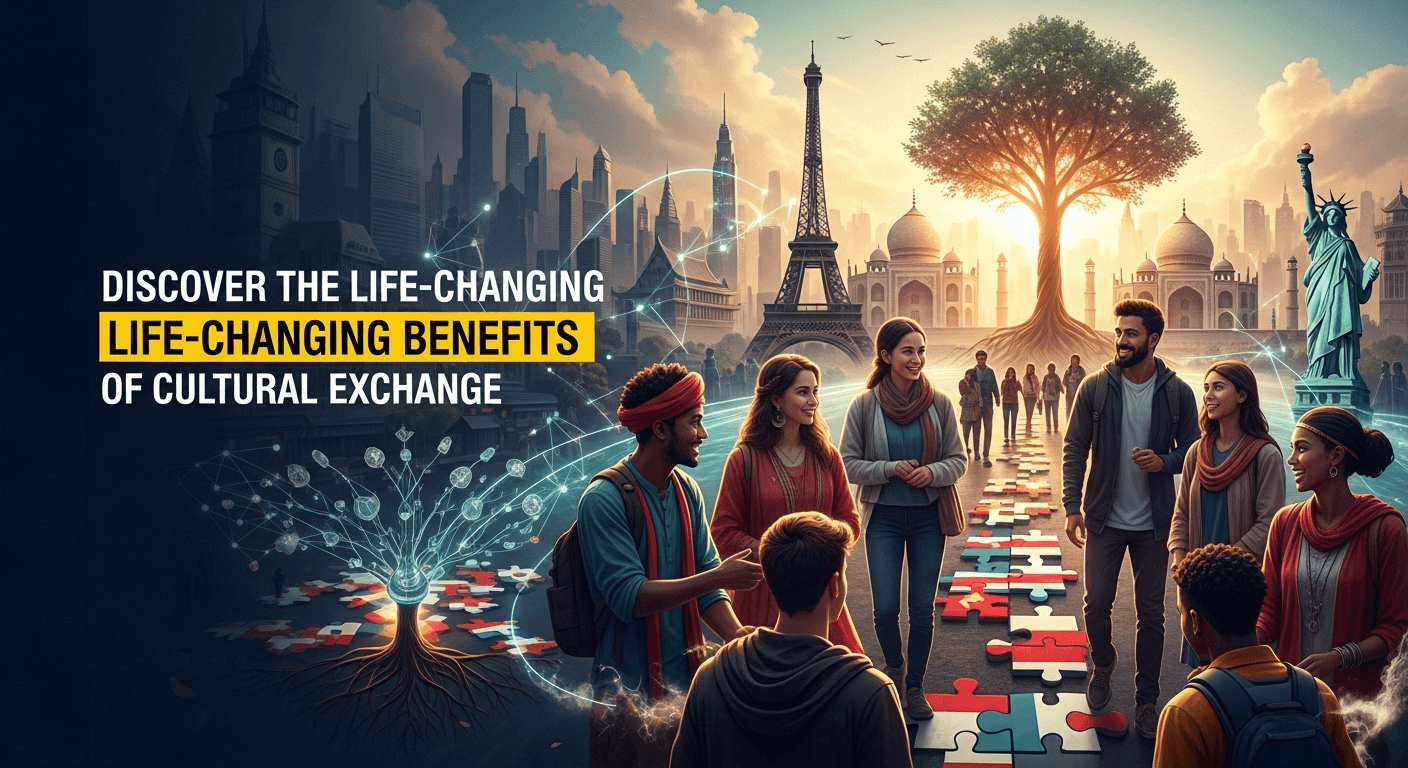
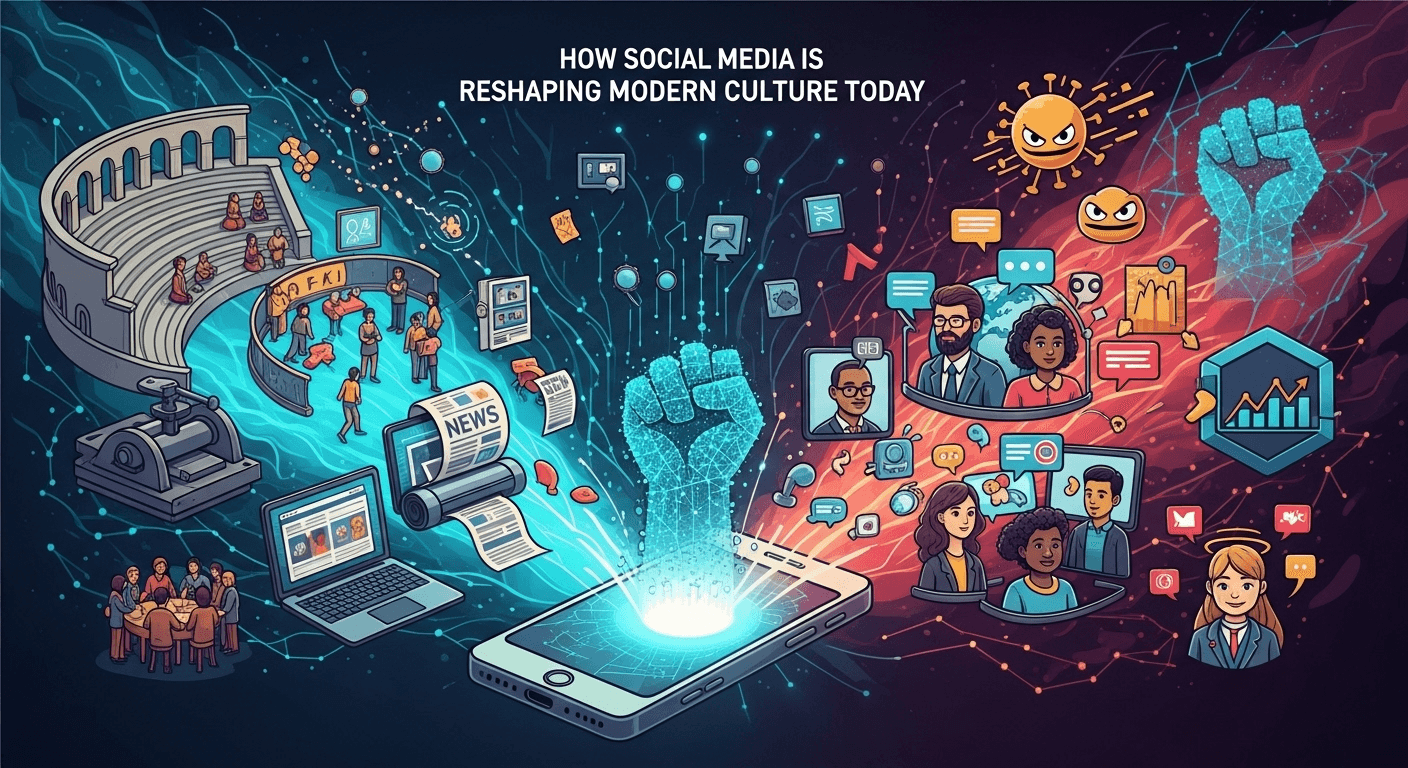
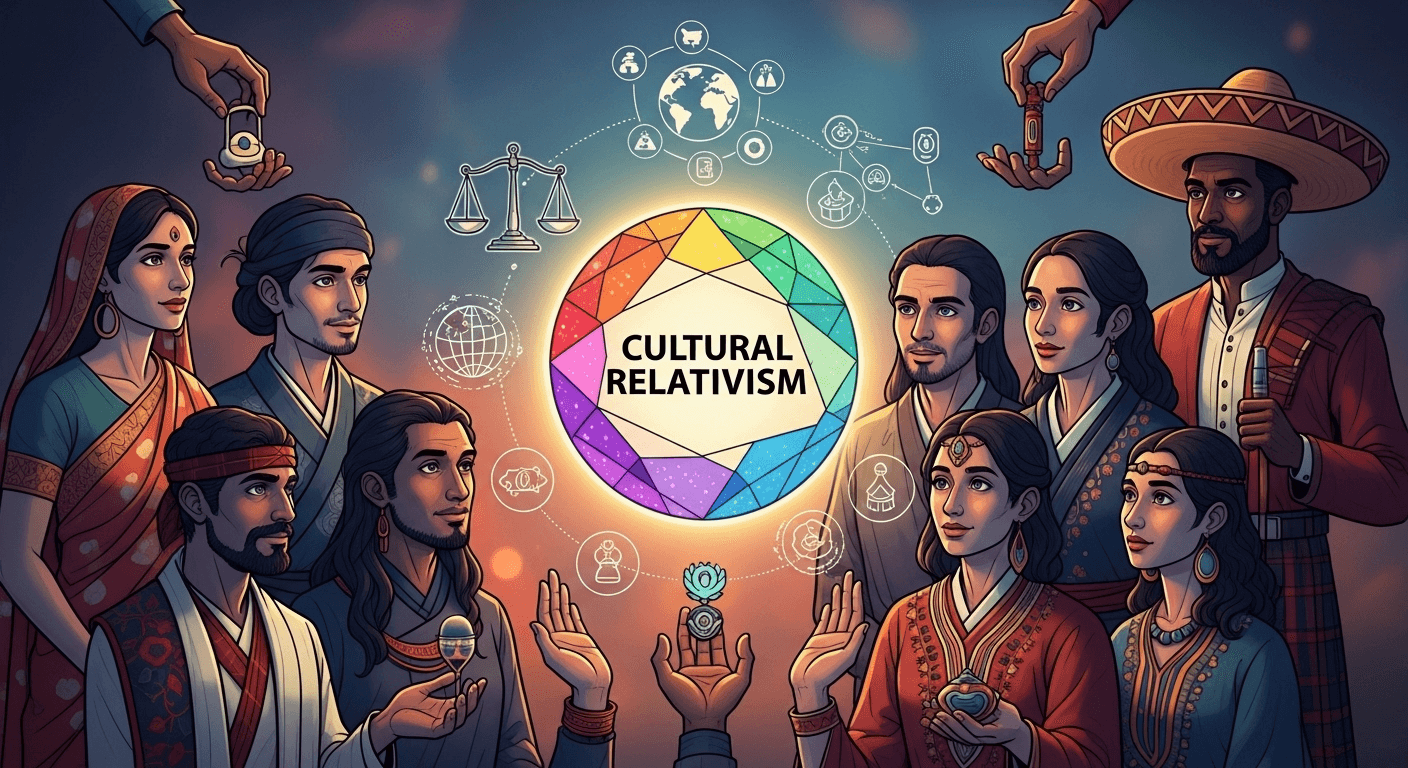
Navigating our increasingly connected world means encountering a beautiful mosaic of cultures, traditions, and ideas. This exchange can be a source of immense learning and unity. However, it also opens the door to a complex and often painful issue. You might see it at a music festival, on a fashion runway, or even in a yoga studio—a non-Native person wearing a feathered war bonnet, a high-fashion brand using sacred Indigenous patterns, or a wellness guru selling "smudging kits." These instances often spark heated debate and accusations of insensitivity. At the heart of this controversy is a critical question: what is cultural appropriation? It’s a term that signifies more than simple borrowing; it describes a dynamic where elements are taken from a marginalized culture by a dominant one, often stripping them of their original meaning and context, and frequently for profit, without understanding, credit, or permission. This article will delve into the nuances of cultural appropriation, distinguish it from appreciation, explore its real-world impact, and offer guidance on how to engage with other cultures respectfully. Cultural Appropriation: What It Is & Why It Matters At its most basic level, cultural appropriation is the unacknowledged or inappropriate adoption of the customs, practices, ideas, or tangible cultural elements (like clothing, music, or art) of one people or society by members of another, typically more dominant, people or society. It’s crucial to understand that this isn’t about creating cultural silos or preventing people from enjoying things from outside their own heritage. The key distinction lies in the power imbalance between the source culture and the adopting culture. When a dominant group borrows from a marginalized or historically oppressed group, the dynamic is fundamentally different than when two groups of equal power exchange ideas. The act of appropriation often involves a process of stripping the cultural element of its original context and significance. A sacred religious symbol, for instance, might be turned into a disposable fashion accessory. A traditional hairstyle that carries deep cultural identity and has been a source of discrimination for one group might become a "cool" trend when worn by someone from the dominant group. This process trivializes practices and objects that may be deeply meaningful or even sacred to the source culture, reducing them to mere aesthetics or commodities. Ultimately, appropriation is not a simple, friendly exchange. It's an act of taking without consent, understanding, or reciprocity. Think of it like this: a friend sharing their family recipe with you is a beautiful exchange. However, taking that recipe without asking, mass-producing it, calling it your own "exotic" creation, and making a fortune from it while your friend's family struggles to keep their small restaurant open is an act of exploitation. Cultural appropriation operates on a similar principle, but on a societal scale, often perpetuating cycles of misunderstanding and economic disparity. The Core Elements of Appropriation To better identify cultural appropriation, it helps to break it down into its key components. These elements often work in combination to create a situation that is harmful, disrespectful, or exploitative. Understanding them allows for a more nuanced analysis of any given situation, moving beyond a simple "is this okay or not?" and into a deeper understanding of the dynamics at play. #### The Power Dynamic: Majority vs. Minority This is perhaps the most critical element. Cultural appropriation is intrinsically linked to power and history, specifically the relationship between dominant cultures (often Western, white societies) and marginalized cultures (such as Indigenous peoples, Black communities, and other people of color). When a member of a dominant group adopts elements from a marginalized culture, they often do so without experiencing the discrimination, oppression, or systemic barriers that people from that culture have faced because of those very same elements. For example, a white person wearing dreadlocks as a fashion statement can be seen as trendy. However, Black individuals have historically faced—and continue to face—workplace discrimination, school suspensions, and social stigma for wearing the exact same hairstyle. The white person can "wear the cool" without "carrying the cost." This selective celebration reinforces a harmful double standard where the dominant culture gets to pick and choose the "fun" parts of another culture while ignoring the lived realities and struggles of the people who created it. #### Lack of Context, Credit, and Significance Appropriation thrives in a vacuum of context. It involves taking a symbol, practice, or style and divorcing it from its original cultural, spiritual, or historical meaning. A Native American war bonnet (headdress), for example, is not a hat. It is a sacred item earned through specific acts of bravery and honor, reserved for respected leaders within certain Plains nations. When worn as a costume to a music festival, its profound significance is erased and it becomes a generic “tribal” accessory, turning a symbol of respect into an object of disrespect. This erasure is compounded by a lack of credit. The appropriated element is often rebranded or presented as something new and edgy, discovered by the dominant culture. The original creators and their generations of tradition are rendered invisible. This isn't just rude; it contributes to the systemic erasure of marginalized histories and intellectual contributions, making it seem as though innovation and beauty only flow from the dominant culture. Giving credit and understanding context are fundamental to respectful engagement. #### Commodification and Profit A major red flag for cultural appropriation is when a cultural element is commodified—turned into a product to be bought and sold—especially when the profits do not benefit the source community. Large corporations and fashion designers often take traditional patterns, sacred imagery, or artisanal techniques from Indigenous or other minority groups, mass-produce them, and sell them for a significant profit, with no compensation or acknowledgment given to the people who originated them. This is not only economically exploitative but also deeply unfair. It allows the dominant culture to profit from the very things for which the source culture has been historically punished or mocked. For instance, fast-fashion brands might sell cheap knock-offs of intricate traditional
What Is Global Warming? Understanding Its Main Effects
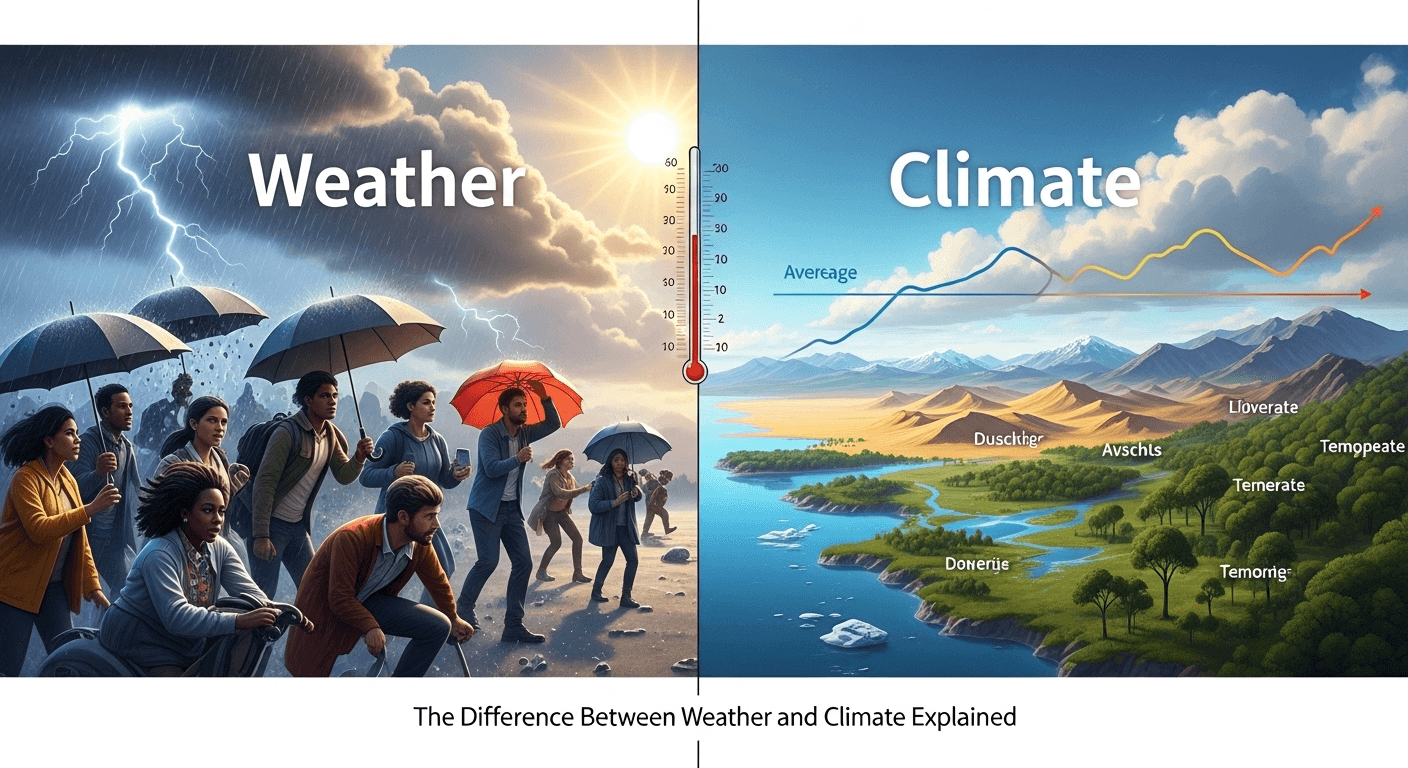
The world around us is in constant flux, but the changes we've witnessed in recent decades feel different—more rapid, more extreme, and more alarming. From record-shattering heatwaves in summer to unusually powerful storms, the signs are undeniable. These events are not isolated incidents; they are symptoms of a much larger, planet-wide phenomenon. This brings us to a critical question that defines our era: what is global warming and its effects? It is the long-term heating of Earth’s climate system observed since the pre-industrial period (between 1850 and 1900) due to human activities, primarily fossil fuel burning, which increases heat-trapping greenhouse gas levels in Earth's atmosphere. Understanding this process and its far-reaching consequences is the first step toward addressing one of the most significant challenges humanity has ever faced. What is Global Warming? The Science of a Warming Planet To truly grasp the concept of global warming, we must look beyond the headlines and delve into the fundamental science that governs our planet's climate. It's not a matter of opinion or political debate, but a physical reality rooted in atmospheric chemistry and physics. The Earth's climate has naturally fluctuated throughout its history, but the current warming trend is occurring at a rate unseen in millennia, and the scientific evidence overwhelmingly points to human activity as the primary driver. This acceleration is disrupting the delicate balance that has made life on Earth possible for so long. At the heart of global warming is the greenhouse effect, a natural process that is essential for life. When the sun's energy reaches the Earth, some is reflected back into space, while the rest is absorbed by the land and oceans, heating our planet. This heat is then radiated back outwards as infrared energy. Certain gases in the atmosphere, known as greenhouse gases (GHGs)—such as water vapor, carbon dioxide, and methane—trap some of this outgoing heat, acting like a blanket and keeping the Earth's surface warmer than it would otherwise be. Without this natural greenhouse effect, the average temperature on Earth would be a frigid -18°C (0°F), making it inhospitable. The problem, however, arises from the enhanced greenhouse effect. Since the Industrial Revolution began in the late 18th century, human activities have been releasing unprecedented amounts of greenhouse gases into the atmosphere. The burning of fossil fuels like coal, oil, and natural gas for energy and transportation has pumped billions of tons of carbon dioxide (CO2) into the air. Deforestation eliminates forests that would otherwise absorb CO2, and agricultural practices release potent gases like methane and nitrous oxide. This sharp increase in GHGs is thickening the Earth's "blanket," trapping more heat and causing the planet's average temperature to rise. This is the essence of global warming. Key Greenhouse Gases and Their Sources While many gases contribute to the greenhouse effect, a few are particularly significant due to their abundance, potency, and longevity in the atmosphere. Carbon dioxide (CO2) is the most infamous and abundant long-lived greenhouse gas, accounting for the largest share of human-caused warming. Its primary source is the combustion of fossil fuels for electricity, heat, and transportation. Cement production and deforestation also release significant amounts of CO2. Once in the atmosphere, it can persist for hundreds of years, meaning our emissions today will continue to warm the planet for generations to come. Another critical greenhouse gas is methane (CH4). Although it stays in the atmosphere for a much shorter period than CO2 (about a decade), it is far more potent at trapping heat—over 25 times more effective over a 100-year period. Major human-related sources of methane include agriculture, particularly from livestock digestion (enteric fermentation) and rice cultivation. Leaks from natural gas and oil systems, as well as the decomposition of organic waste in landfills, are also significant contributors. Reducing methane emissions is seen as a crucial short-term strategy to slow the rate of warming. Differentiating Global Warming and Climate Change The terms "global warming" and "climate change" are often used interchangeably, but they refer to slightly different concepts. It's important to understand the distinction for clarity. Global warming specifically refers to the long-term increase in the Earth's average surface temperature due to the buildup of greenhouse gases in the atmosphere. It is a single, focused metric—the overall heating of the planet. Climate change, on the other hand, is a much broader term. It encompasses global warming but also includes all the other long-term changes to our climate that result from this warming. These include changes in precipitation patterns, leading to more intense droughts in some regions and heavier floods in others; the melting of glaciers and ice sheets; rising sea levels; and an increase in the frequency and intensity of extreme weather events. In short, global warming is one aspect—the heating aspect—of the much larger, more complex issue of man-made climate change. The Primary Drivers: What Causes Global Warming? The scientific consensus, articulated by esteemed bodies like the Intergovernmental Panel on Climate Change (IPCC), is unequivocal: human activities are the dominant cause of the observed warming since the mid-20th century. While natural factors like volcanic eruptions and variations in solar radiation do influence the climate, their impact in recent decades is dwarfed by the influence of human-generated greenhouse gas emissions. The speed and scale of the current warming are far beyond the range of natural climate variability over the last several thousand years. Understanding the specific activities driving this change is crucial for developing effective solutions. These drivers are deeply embedded in our modern global economy, infrastructure, and way of life, from the electricity that powers our homes to the food we eat. The primary sources can be broken down into a few key categories, each contributing significantly to the thickening of the atmospheric "blanket" that is warming our world. This overwhelming human influence distinguishes the current warming era from past climatic shifts. Earth has experienced ice ages and warm periods before, but those were driven by slow, natural cycles, like changes in the Earth’s orbit, over tens of thousands of years. The
Black Holes Explained: How They Form & What They Are
The cosmos is filled with wonders that defy our everyday intuition, and perhaps none are more enigmatic or captivating than black holes. These celestial objects represent the absolute extremes of gravity, bending the very fabric of space and time to their will. For decades, they existed only in the equations of theorists, but today, we have photographic evidence of their existence, confirming their place as one of the universe's most fundamental and fascinating components. Understanding how do black holes form and what are they is not just an academic exercise; it’s a journey to the edge of physics, pushing the boundaries of what we know about reality itself. This article will explore the cosmic origins, bizarre properties, and profound implications of these gravitational behemoths. What Exactly is a Black Hole? At its core, a black hole is a region in spacetime where gravity is so overwhelmingly strong that nothing—not even light, the fastest thing in the universe—can escape. This is not a "hole" in the traditional sense, like a void or an empty space. Instead, it is an immense amount of matter packed into an impossibly small area, creating a gravitational field of incredible intensity. The concept was first predicted by Albert Einstein's theory of general relativity in 1915, which showed how massive objects could warp the geometry of spacetime. A black hole represents the most extreme manifestation of this principle. The defining feature of a black hole is its event horizon. This is not a physical surface you could touch, but rather a one-way boundary in space. Once an object, a particle, or a ray of light crosses the event horizon, its fate is sealed. The escape velocity—the speed needed to break free from the gravitational pull—at the event horizon exceeds the speed of light. Since nothing can travel faster than light, escape becomes a physical impossibility. Think of it like a cosmic waterfall: you can safely float on the river far upstream, but once your boat goes over the edge, there is no turning back. The event horizon is that point of no return. Beyond the event horizon lies the singularity. According to general relativity, the singularity is the central point of a black hole where all its mass is concentrated into a region of zero volume and infinite density. Here, the laws of physics as we currently understand them completely break down. Our theories of gravity and quantum mechanics, the two pillars of modern physics, cannot describe what happens at a singularity. It is a place where space and time cease to have meaning, representing one of the greatest unsolved mysteries in science. The Cosmic Forge: How Black Holes Form Black holes are not born from nothing; they are the final evolutionary stage of some of the universe's most massive objects and processes. Their formation is a story of cosmic violence, gravitational collapse, and the ultimate triumph of gravity over all other forces. Scientists classify black holes into different categories based on their mass and origin, with each type having a distinct formation pathway. From the death throes of giant stars to the mysterious heart of galaxies, the creation of a black hole is always a monumental event. Stellar-Mass Black Holes: The Death of Giants The most common way a black hole is formed is through the death of a massive star. Not just any star can become a black hole; it requires a star with a core mass at least three times that of our own Sun (and an initial total mass of around 20-25 times the Sun's). Throughout its life, a massive star is in a constant battle with itself. The outward pressure from the nuclear fusion in its core, which generates tremendous energy, perfectly balances the inward crush of its own immense gravity. This delicate balance, known as hydrostatic equilibrium, can last for millions of years. However, this cannot last forever. Eventually, the star exhausts the nuclear fuel in its core. With the fusion furnace switched off, the outward pressure vanishes, and gravity instantly wins the battle in a catastrophic fashion. The star's core implodes in a fraction of a second, collapsing under its own weight. This rapid collapse triggers a gargantuan explosion known as a supernova, which blasts the star's outer layers into space, shining brighter than an entire galaxy for a brief period. What happens to the core depends on its mass. If it's not massive enough, it becomes a super-dense object called a neutron star. But if the core's mass is more than about three solar masses, not even the forces between neutrons can halt the collapse. The core continues to compress relentlessly, crushing itself down past the point of a neutron star into an object of unimaginable density—a singularity. As the core shrinks, its gravity intensifies until it becomes so strong that the escape velocity on its surface exceeds the speed of light. At this moment, an event horizon forms around the singularity, and a stellar-mass black hole is born. These black holes are typically 5 to a few dozen times the mass of the Sun and are found scattered throughout galaxies like our own. Supermassive Black Holes (SMBHs): The Galactic Anchors At the heart of most, if not all, large galaxies lurks a monster of a different kind: a supermassive black hole (SMBH). These behemoths have masses ranging from millions to billions of times that of our Sun. Our own Milky Way galaxy hosts an SMBH at its center, named Sagittarius A (pronounced "A-star"), which has a mass of about 4 million Suns. The Event Horizon Telescope collaboration famously captured the first-ever image of an SMBH's shadow in the galaxy M87 in 2019, an object with a mass of 6.5 billion Suns. The formation of SMBHs is one of the biggest puzzles in modern astrophysics. They are too large to have been formed from a single star's collapse, and they appear to have existed very early in the universe's history, when there may not have been enough time
How to Build a Strong Organizational Culture: A Guide
In today's competitive landscape, attracting and retaining top talent is more than just about offering a competitive salary. Employees are looking for a place where they feel valued, connected, and aligned with a greater purpose. This is where a strong organizational culture comes into play. It is the invisible force that shapes employee experience, drives performance, and ultimately dictates an organization's long-term success. But it's not something that happens by accident; it requires deliberate design and consistent effort. If you're wondering how to build a strong organizational culture that not only survives but thrives, this comprehensive guide will walk you through the essential strategies, from defining your core values to embedding them into every facet of your operations. Understanding the Foundation: What is Organizational Culture? Before we can build, we must first understand the blueprint. Organizational culture, often described as "the way we do things around here," is the collection of shared values, beliefs, attitudes, and behaviors that characterize an organization. It's the personality of your company. This culture manifests in both tangible and intangible ways. You can see it in the office layout, the dress code, and the company benefits, but you can also feel it in the communication style, the level of collaboration, and how leaders respond to failure. It's the underlying operating system that governs how employees interact with each other, with customers, and with their work. A weak or toxic culture is often marked by high employee turnover, low morale, office politics, and a lack of innovation. In contrast, a strong, positive culture fosters psychological safety, encourages collaboration, and empowers employees to do their best work. It becomes a powerful strategic asset that is incredibly difficult for competitors to replicate, giving a company a sustainable competitive advantage. The importance of a well-defined culture cannot be overstated, especially in the modern workforce. A 2021 Glassdoor survey found that 77% of job seekers consider a company's culture before applying, and over half place it above salary. This highlights a significant shift: people want to work for companies whose values align with their own. A strong culture acts as a magnet for the right talent and a retaining force for your best performers, directly impacting your bottom line through increased productivity and reduced hiring costs. The Architect's Blueprint: Defining Your Core Values and Mission The bedrock of any strong organizational culture is a clearly defined mission and a set of actionable core values. Your mission statement answers the "why"—why does your organization exist beyond making a profit? Your core values answer the "how"—how do you behave while pursuing that mission? These are not just nice-sounding phrases to put on a wall or in an employee handbook; they are the guiding principles that should inform every decision, from strategic planning to daily operations. The process of defining these values should not be a top-down decree. To ensure authenticity and buy-in, it's crucial to involve employees from all levels of the organization. Conduct workshops, send out surveys, and facilitate focus groups to uncover the values that are already present and those that the organization aspires to. The goal is to distill these ideas into 3-5 memorable, unique, and actionable core values. Avoid generic terms like "Excellence" or "Integrity" unless you are prepared to define exactly what those mean in terms of specific, observable behaviors within your company. Once defined, these values must be brought to life. A value like "Customer Obsession" is meaningless until it's translated into actions, such as empowering support agents to solve problems without escalation or investing in user experience research. The true test of your values is whether they are used to make hard decisions. When faced with a choice between a short-term profit and adhering to a core value, a company with a strong culture will always choose the latter, reinforcing that the values are more than just words. Making Values Actionable The most common failure in culture-building is creating a list of abstract values without connecting them to tangible, everyday behaviors. To avoid this pitfall, you must explicitly define what each value looks like in practice. This process turns your values from passive statements into an active guide for employee conduct and decision-making. Create a "Values-to-Behaviors Matrix" that lists each value and the corresponding actions that exemplify it. For example, if one of your core values is "Embrace Transparency," the actionable behaviors could include: Leaders openly sharing business results, including challenges and failures, in all-hands meetings. Managers providing direct and constructive feedback in a timely manner. Project documentation being openly accessible to all relevant team members. Employees feeling safe to admit mistakes without fear of retribution. By defining these behaviors, you provide clear expectations for everyone in the organization. This framework becomes invaluable for performance reviews, feedback sessions, and recognition programs, ensuring that employees are not just evaluated on what they achieve but also how they achieve it. Communicating Your Mission and Values Defining your values is only half the battle; communicating and reinforcing them is a continuous effort. They must be woven into the entire employee lifecycle, from the very first touchpoint to the last. This goes far beyond a single announcement or a poster in the breakroom. Constant, consistent reinforcement is key to embedding your culture deep within the organization's DNA. Effective communication involves multiple channels and formats. Start with the hiring process by discussing your values with candidates. Make your mission and values a central part of your new-hire onboarding program, sharing stories and examples of how they are lived out. Leaders should regularly reference the values when communicating strategic decisions. In team meetings, encourage discussions about how a recent project or decision aligned (or didn't align) with the company's values. By making them a part of the daily conversation, you ensure they remain top-of-mind and relevant. Leading by Example: The Role of Leadership in Shaping Culture Organizational culture flows from the top down. No amount of posters, perks, or programs can compensate for a leadership team that doesn't embody the
The Water Cycle Stages Explained: A Simple Breakdown
Water is the lifeblood of our planet. It covers over 70% of Earth’s surface, makes up about 60% of our bodies, and is essential for every known form of life. But the water you drink today has been on an incredible journey, one that has been repeating for billions of years. This perpetual movement of water on, above, and below the surface of the Earth is known as the water cycle, or the hydrologic cycle. Understanding this process is key to appreciating our planet's most precious resource. In this detailed guide, we will have the stages of the water cycle explained in a simple, easy-to-understand breakdown, exploring each phase of this remarkable natural phenomenon. Water doesn't just sit still; it's in a constant state of flux, changing form from liquid to gas to solid and back again. This continuous process ensures that water is distributed all over the globe, from the deepest oceans to the highest mountain peaks, and into the atmosphere. The main engine driving this entire system is the sun. Solar energy provides the power needed to lift water vapor into the atmosphere, while gravity is the force that brings it back down to Earth. Without these two fundamental forces, the water cycle would cease to exist, and life as we know it would be impossible. The beauty of the water cycle lies in its cyclical nature; there is no true start or end. It's a closed loop where water is constantly recycled. However, to understand it better, scientists typically break it down into four main stages: evaporation, condensation, precipitation, and collection. Along the way, other crucial sub-processes like transpiration, infiltration, and runoff play vital roles. In the following sections, we will journey through each of these stages, observing how water transforms and travels across our planet, sustaining ecosystems and shaping our world's climate and geography. Understanding these stages is more than just a science lesson; it's fundamental to comprehending weather patterns, the availability of fresh water, and the impact of human activities on our environment. From the invisible vapor rising from a lake to the torrential downpour of a thunderstorm, every drop of water is part of this grand, unending voyage. Let's begin our exploration of this fascinating journey. What is the Water Cycle and Why is it Essential? The water cycle, known in scientific terms as the hydrologic cycle, is the continuous circulation of water within the Earth's hydrosphere. This complex system involves the movement of water from the Earth's surface to the atmosphere and back again. It's a colossal purification and distribution network, powered primarily by solar energy. Think of it as Earth’s ultimate recycling program. The total amount of water on our planet has remained relatively constant for billions of years; it’s just constantly changing its form (liquid, gas, solid) and location. The importance of the water cycle cannot be overstated. It is the foundation upon which all life on Earth depends. Firstly, it is the primary mechanism for distributing fresh water across the planet. Oceans hold over 96% of Earth's water, but it's salty and unusable for most terrestrial life and agriculture. The water cycle, through evaporation, effectively desalinates this water, turning it into fresh water vapor that is then transported over land and delivered as precipitation. This process replenishes rivers, lakes, and groundwater, providing the water essential for drinking, sanitation, and farming. Furthermore, the water cycle is a key driver of weather and climate. The movement of water and heat around the globe influences temperature, air pressure, and wind patterns. Evaporation cools surfaces, while condensation releases heat into the atmosphere, impacting atmospheric stability and driving storms. The formation of clouds affects the amount of sunlight reaching the Earth's surface, playing a crucial role in regulating the planet's temperature. In essence, without the constant churning of the water cycle, our planet's climate would be drastically different and far less hospitable. The Upward Journey: Evaporation and Transpiration The first major phase in our journey through the water cycle involves water moving from the Earth's surface up into the atmosphere. This upward movement is primarily achieved through two key processes: evaporation and transpiration. Both involve the transformation of liquid water into water vapor (a gas), but they occur through different pathways. This phase is entirely dependent on energy from the sun. The sun's heat provides the kinetic energy needed for water molecules to break their bonds and escape into the air as an invisible gas. This atmospheric moisture is the raw material for clouds and, eventually, precipitation. While oceans, seas, lakes, and rivers are the largest sources of evaporation, this process happens from any wet surface, including damp soil and even a puddle on the pavement after a rain shower. Combined, evaporation and transpiration are responsible for moving vast quantities of water into the atmosphere every single day, fueling the entire climatic engine. Scientists often use the term evapotranspiration to refer to the sum of water loss from a given area, combining both evaporation from the land surface and transpiration from plants. This combined process is a critical component of water balance calculations for a watershed or ecosystem, helping us understand how much water is available for other uses versus how much is returned to the atmosphere. Evaporation: Water's Great Escape Evaporation is the process where a liquid turns into a gas. In the context of the water cycle, it's how water from oceans, lakes, rivers, and other bodies of water enters the atmosphere as water vapor. The sun's energy heats the surface of the water, increasing the energy of the water molecules. When a molecule gains enough energy, it can break free from the liquid's surface and escape into the surrounding air. This is a constant and silent process, happening all the time, all over the world. Approximately 90% of the moisture in the atmosphere comes directly from evaporation. Several factors influence the rate of evaporation. Temperature is the most obvious one; warmer water evaporates faster. Humidity also plays a big role; evaporation
Understanding Cultural Identity and Why It Matters
We are all a tapestry woven from threads of memory, experience, and heritage. From the lullabies our parents sang to us to the food we share during holidays, these elements shape who we are and how we see the world. At the heart of this intricate personal fabric lies a profound concept that anchors us to our past and guides our future. But what is the meaning of cultural identity? In essence, it is the sense of belonging to a group, rooted in a shared system of symbols, values, beliefs, behaviors, and traditions. This identity is not merely about where your ancestors came from; it is a living, breathing part of your consciousness that influences your perspectives, shapes your interactions, and defines your place in the vast mosaic of humanity. Understanding the Core Components of Cultural Identity Cultural identity is not a single, monolithic entity. Instead, it's a composite of various interconnected elements that together create a unique cultural fingerprint for a group of people. These components are learned and shared, passed down through generations, and are constantly evolving. They serve as the building blocks that provide individuals with a framework for understanding the world, interacting with others, and finding a sense of belonging. Recognizing these components is the first step toward appreciating the complexity and richness of any culture, including our own. The most fundamental elements include language, which provides the very structure for thought and communication. It's followed by traditions and social norms, which dictate how people behave in everyday situations and during significant life events. Furthermore, shared history and artistic expressions like music, stories, and art create a collective memory and emotional connection among members of a group. Together, these components form a cohesive whole that is both deeply personal and universally human, acting as an anchor in an ever-changing world. Ultimately, these components are not static. As societies interact and technologies connect us in new ways, the elements of cultural identity can be adapted, reinterpreted, and blended. A person’s identity is therefore dynamic, shaped by both the heritage they inherit and the new experiences they encounter. Understanding this dynamic nature helps us move beyond simplistic labels and see culture as a vibrant, ongoing conversation between the past, present, and future. Language and Communication Styles Language is arguably the most crucial pillar of cultural identity. It is more than just a tool for communication; it is the very vessel that carries a culture’s history, worldview, and unique nuances. The words, grammar, and syntax of a language shape how its speakers perceive reality—a concept explored in the Sapir-Whorf hypothesis. For instance, some languages have multiple words for concepts like “snow” or “family,” reflecting the importance of these elements in their environment and social structure. Beyond formal language, dialects, slang, and non-verbal cues like gestures and personal space are also deeply ingrained in cultural communication, creating subtle but powerful bonds among insiders. When a language is lost, a significant part of that culture's identity is erased with it. Linguistic preservation is cultural preservation. Stories, poems, jokes, and ancestral knowledge that can only be fully expressed in their native tongue risk disappearing forever. That is why efforts to revitalize endangered languages are so critical. They are not just about saving words; they are about saving entire worlds of meaning, history, and identity that provide communities with a unique lens through which to view their existence and maintain a connection to their heritage. Traditions, Values, and Social Norms Traditions are the rituals and practices that mark the passage of time and celebrate a community’s shared beliefs. These can range from large-scale public festivals like DÃa de Muertos in Mexico or Holi in India to more intimate family rituals, such as specific recipes prepared for a holiday or the way a major life event like a birth or wedding is commemorated. These repeated, meaningful actions reinforce a sense of continuity and belonging, connecting individuals to both their ancestors and their contemporaries. They are the tangible expressions of a culture’s soul. Underpinning these traditions are a culture's core values and social norms. Values are the collective beliefs about what is considered good, right, and desirable (e.g., individualism vs. collectivism, respect for elders, the importance of hospitality). Social norms, in turn, are the unwritten rules of behavior derived from these values. They guide everything from how we greet one another and dress to how we conduct business and raise our children. While an outsider might find these norms arbitrary, for members of the culture, they provide a predictable and comfortable social environment. Arts, Cuisine, and Shared History The arts are a powerful medium through which cultural identity is expressed, celebrated, and questioned. Music, dance, literature, visual arts, and theater encapsulate a group’s aesthetic sensibilities, spiritual beliefs, and emotional landscape. A folk song can tell the story of a historical struggle, a traditional dance can embody a community’s relationship with nature, and a classic novel can explore the moral dilemmas central to a society. These artistic forms are not mere entertainment; they are archives of collective experience and emotion. Similarly, cuisine is a delicious and accessible entry point into a culture. The ingredients used, the methods of preparation, and the rituals surrounding meals reveal a great deal about a region's geography, history, and social structure. Food is often central to hospitality and celebration, acting as a powerful agent of social bonding. Finally, a shared history—comprising both triumphs and traumas—is a potent force that forges a collective identity. Remembering a nation's independence, mourning a shared tragedy, or celebrating historical figures creates a powerful "we-narrative" that binds people together across time. How Cultural Identity is Formed and Developed Cultural identity is not something we are born with; it is something we acquire through a lifelong process of socialization and personal experience. This development begins in infancy and continues throughout our lives, shaped by a multitude of influences. It is a dynamic journey, not a fixed destination. The early years are foundational, as family and immediate community
What Is Quantum Entanglement? A Simple Guide for Beginners
Have you ever heard a term that sounds like it was pulled straight from a science fiction movie and wondered what it could possibly mean? Quantum entanglement is one of those concepts. It’s a cornerstone of modern physics that challenges our everyday understanding of reality, a phenomenon so strange that even Albert Einstein called it "spooky action at a distance." But what if you could grasp this mind-bending idea without a Ph.D. in physics? This guide is designed to be your simple, clear roadmap, answering the question of what is quantum entanglement for dummies and for anyone curious about the deepest mysteries of our universe. We will trade complex equations for simple analogies and journey together into the weird and wonderful world of the quantum realm. The Core Concept: What Is "Spooky Action at a Distance"? At its heart, quantum entanglement describes a special, intimate connection between two or more quantum particles, like electrons or photons. When these particles become entangled, they form a single, unified system, no matter how far apart they are separated. Think of them as a pair of "cosmic twins." What happens to one twin instantly affects the other, whether they are in the same laboratory or on opposite sides of the galaxy. This instantaneous connection is what baffled early 20th-century physicists, including the great Albert Einstein. To understand this better, let's use a classic analogy: the magic gloves. Imagine you have a pair of gloves, one right-handed and one left-handed. Without looking, you put each glove into a separate, identical box. You keep one box and give the other to a friend who travels to the Moon. Before you open your box, you have no idea which glove it contains—it could be the right or the left. But the moment you open your box and see you have the right-handed glove, you instantly know, with 100% certainty, that your friend on the Moon has the left-handed one. There was no need to send a message; the information was revealed instantaneously across a vast distance. Quantum entanglement works in a similar—though fundamentally stranger—way. The properties of the entangled particles, such as their "spin" (a quantum property that's loosely analogous to a tiny magnet pointing up or down), are not determined until one of them is measured. Like the unopened boxes, each particle exists in a state of all possibilities at once (a concept called superposition). But the moment you measure the spin of one particle—for instance, you find it's "spin-up"—its entangled partner, wherever it is, instantly assumes the opposite state, "spin-down." This is the "spooky action" that so troubled Einstein, as it seemed to violate the universal speed limit: the speed of light. Unraveling the Mystery: How Entanglement Works (Without the Math) While the glove analogy is helpful, it has one key flaw: the gloves already had a definite state (right or left) before they were boxed up. In the quantum world, this isn't the case. The properties of particles aren't decided until the moment of measurement. This is where the real weirdness of quantum mechanics comes into play, governed by a few key principles. 1. The Principle of Superposition Before we can fully grasp entanglement, we must first understand superposition. Imagine a spinning coin. While it's in the air, it's neither heads nor tails—it's a blur of both possibilities. Only when it lands and you "measure" it does it collapse into a single, definite state: either heads or tails. Quantum particles behave similarly. Before measurement, a particle can be in a superposition of all its possible states at once. An electron's spin isn't "up" or "down"; it's in a probabilistic combination of both up and down simultaneously. This isn't just a lack of knowledge on our part; it's the fundamental reality of the particle. Entanglement takes this one step further. When two particles are entangled, their superposition states are linked. If Particle A is in a superposition of "up" and "down," and so is Particle B, their combined system is described by a single state. Measuring Particle A to be "up" doesn't just reveal its state; it forces Particle B to collapse into the "down" state instantly. They were always connected, part of one undetermined, spinning-coin system. 2. Creating Entangled Pairs So, how do scientists create these cosmically connected pairs? Particles don't just become entangled by chance. The process usually involves creating a particle system and then allowing it to decay or split in a way that respects certain conservation laws. For example, a common method involves shining a laser through a special type of crystal. Occasionally, a single high-energy photon from the laser will spontaneously split into two lower-energy photons. Because of fundamental physical laws (like the conservation of momentum and energy), the properties of these two new photons must be correlated. If the original system had a total spin of zero, the two new photons must have opposite spins to maintain that zero balance. They are born connected, their fates intertwined from the moment of their creation. This process ensures they become a single entangled system, ready to demonstrate their "spooky" connection across any distance. 3. The Act of Measurement This is the climax of the quantum story. Scientists separate the entangled pair, sending them in opposite directions. At two different locations, detectors are set up to measure a specific property, like spin. When the scientist at Location A measures their particle, its superposition collapses into a definite state (e.g., spin-up). At that very instant, the particle at Location B, no matter how distant, abandons its own superposition and collapses into the corresponding state (spin-down). The crucial point here is that the outcome at Location A is completely random. The scientist can't decide to make their particle "spin-up" to send a secret message. They can only observe the random outcome. It's only later, when the two scientists compare their notes (by communicating at or below the speed of light), that they see the perfect anti-correlation in their measurements. Every time A was
Why Is Cultural Diversity Important in Our World Today?
Why Is Cultural Diversity Important in Our World Today? Cultural diversity is more than a social talking point — it is a dynamic force shaping economies, education, creativity, and social cohesion. Many people ask why is cultural diversity important and the answer touches every layer of modern life: from how teams solve problems to how nations adapt to global change. Understanding the concrete benefits and practical challenges of cultural diversity helps individuals, organizations, and policymakers make better decisions that foster inclusion and long-term resilience. Economic Advantages of Cultural Diversity Cultural diversity fuels innovation, creates competitive advantages, and expands markets. When people from different backgrounds collaborate, they bring distinct perspectives, consumer insights, and problem-solving approaches. Diverse teams often spot opportunities and risks that homogeneous groups miss, which can translate into new products, services, and market strategies. Organizations that value cultural diversity see measurable returns. For example, research across industries shows a correlation between diverse leadership and improved financial performance. This is not only about numbers: diverse workforces attract talent, improve employee retention, and strengthen employer branding in global markets. Companies operating internationally benefit from staff who understand local customs, languages, and consumer preferences. At the macro level, culturally diverse countries can leverage migration and multicultural communities to address labor shortages, stimulate entrepreneurship, and sustain demographic vitality. As populations age in many regions, diversity helps maintain productive labor forces and supports continued economic growth. Innovation and Creativity Diverse cultural perspectives drive creative synthesis. When collaborators represent multiple cultural frames, they can combine ideas in original ways, producing breakthroughs in design, technology, and service delivery. Studies in cognitive diversity show that varied viewpoints reduce groupthink and foster critical debate. Furthermore, cross-cultural collaboration encourages experimentation. Teams that welcome difference are more likely to test multiple approaches and iterate quickly. This iterative environment is conducive to innovation, particularly in sectors like tech, media, and design where adaptive thinking is central. Finally, creativity rooted in cultural diversity resonates with broader audiences. Products and campaigns informed by multicultural insights often perform better in global markets because they reflect authentic, localized narratives. Market Access and Competitive Edge Cultural competence opens doors to new customers. Employees who understand local languages, customs, and values can craft offerings that are culturally relevant and respectful, avoiding missteps that alienate consumers. This competence is a strategic asset for companies expanding into emerging markets. Diverse leadership teams also enable more nuanced risk assessment in unfamiliar contexts. They can evaluate regulatory, cultural, and consumer risks with greater sensitivity, helping businesses adapt strategies faster and more effectively. To capitalize on these advantages, firms should embed cultural intelligence training and diverse hiring practices into core business strategies, aligning talent with long-term global goals. Social and Civic Benefits Cultural diversity strengthens social fabrics when inclusion is actively cultivated. Societies that embrace pluralism often show higher social capital, greater tolerance, and more resilient communities. Diversity encourages empathy and cross-cultural understanding, reducing prejudices and strengthening civic participation. Education systems that include multiple cultural narratives help youth develop critical thinking and respect for difference. Multicultural curricula and language learning foster social mobility and prepare future citizens for global interconnectedness. Civic institutions that reflect population diversity enhance democratic legitimacy and ensure policies consider varied lived experiences. However, reaping social benefits requires intentional policies: equitable resource distribution, anti-discrimination laws, and platforms for underrepresented voices. Without these supports, diversity can lead to fragmentation rather than cohesion. Building Social Cohesion Social cohesion grows when diverse groups have meaningful interactions based on equality and mutual respect. Programs that encourage community engagement—shared projects, intercultural festivals, and multilingual public services—create opportunities for relationship-building across differences. Media and public education play a crucial role in normalizing diversity. Positive representation of multiple cultures reduces stereotypes and fosters a shared sense of belonging. When people see themselves reflected in institutions, they are likelier to engage and trust public systems. Finally, conflict prevention benefits from inclusive spaces for dialogue. Mechanisms such as community councils, restorative justice models, and participatory budgeting invite diverse perspectives into problem-solving, reducing tensions and increasing legitimacy. Democracy, Rights, and Representation Diversity in public offices and civic organizations enhances democratic responsiveness. When policymakers represent varied communities, they are more likely to craft policies that meet a wide range of needs—education, health, housing, and labor. Protections for minority rights and anti-discrimination measures ensure that cultural diversity translates into equal opportunity. Legal frameworks that uphold freedom of expression and religious practice create stable environments where cultural plurality can thrive. Participation must be supported by accessible civic processes—language assistance, voter education tailored to different communities, and outreach initiatives. These measures close gaps in representation and engagement. Educational and Cognitive Benefits Exposure to cultural diversity in education expands cognitive flexibility and prepares learners for a globalized world. Schools that embrace multicultural classrooms promote higher-order thinking, empathy, and communication skills. Students who interact with peers from varied backgrounds develop better conflict-resolution abilities and cross-cultural competence. Language learning is a major advantage: bilingual or multilingual individuals often show cognitive benefits, including enhanced executive function and creativity. In addition, curricula that integrate global perspectives encourage students to analyze complex systems and challenge ethnocentric assumptions. Institutions that prioritize inclusivity—through scholarships, multicultural programming, and teacher training—help reduce achievement gaps and create pathways to higher education and leadership for marginalized groups. Cognitive and Social Skills from Diverse Learning Environments Classrooms with cultural diversity provide real-world practice in collaboration across difference. Students learn to negotiate meanings, navigate ambiguity, and respect alternative viewpoints. These skills are increasingly valued in knowledge economies where teamwork and innovation are critical. Research indicates that students in diverse settings develop greater critical thinking and problem-solving skills. Exposure to multiple perspectives forces learners to evaluate evidence more thoroughly and question assumptions—capabilities essential for responsible citizenship and complex decision-making. Teachers equipped with culturally responsive pedagogy can turn diversity into instructional strength, using varied cultural references to make learning more relevant and effective. Language, Identity, and Lifelong Learning Maintaining heritage languages benefits cognitive development and cultural identity. Bilingualism supports academic achievement and fosters intergenerational connections. Education systems that
Wisconsin vs Alabama: Start Time, Channel & Livestream
Wisconsin vs Alabama: Start Time, Channel & Livestream If you’re juggling weekend sports searches like wisconsin vs alabama, real sociedad – real madrid, and what time is the canelo fight, you’re in the right place. This guide zeroes in on the broadcast details for Alabama’s home date against Wisconsin and also gives quick, search-friendly pointers for the other two trending queries—without spoilers or unnecessary fluff. Below, you’ll find up-to-date viewing info, streaming tips, and context that will stay useful well beyond this week. Start Time, Channel, and Quick Facts Alabama returns home to host Wisconsin in a nationally televised college football matchup that anchors the Saturday lineup. The game is slated for an early kickoff, which means you’ll want your streaming setup ready and your coffee poured before lunchtime. Early windows can be sneaky—and they reward fans who plan ahead. The game will be carried on a major broadcast network, making access straightforward for most viewers. If your household relies on streaming rather than traditional cable, you’ll have several verified ways to watch, including providers offering free trials to new users. That gives you flexibility without long-term commitments. This meeting also carries historical significance. Alabama is hosting Wisconsin at Bryant-Denny Stadium for the first time in program history, with the two having last met in 2024, when Alabama won decisively on the road. Couple that backdrop with a live broadcast crew on site, and you have a showcase environment built for a marquee national audience. 1 TV and Streaming Snapshot Channel: ABC Start time: 11:00 a.m. CT (Saturday) Location: Bryant-Denny Stadium, Tuscaloosa Streaming options: Fubo (free trial for new users), DirecTV Stream (free trial), Sling (monthly options) Broadcast team: Joe Tessitore (play-by-play), Jesse Palmer (analyst), Katie George (sideline) The above options are reliable, widely used, and compatible with most devices. Availability and promotions can change regionally, so verify your local listings or app store details prior to kickoff. As always, keep in mind that live sports schedules can shift slightly due to network windows or pregame coverage. Tune in early if you don’t want to miss the opening series. 2 Why the Early Window Matters Early kickoffs often tilt the day’s narrative. Teams that start fast can control tempo and keep the opponent chasing the game. For viewers, it means optimizing your setup and making sure logins and apps are squared away before the broadcast begins. If you’re monitoring multiple events across the day, the early window lets you stack your sports viewing without overlap headache. You can catch pregame content, keep tabs on in-game adjustments, and still have bandwidth for afternoon or evening action elsewhere. Finally, early windows can amplify atmosphere. A home crowd that arrives on time—and loud—often sets the tone. On television, that energy comes through best when your audio and stream quality are dialed in, which we’ll help you do later in this guide. Table: Wisconsin vs Alabama—Essential Viewing Details Item: Game Detail: Wisconsin vs Alabama (college football) Item: Date Detail: Saturday, Sept. 13 Item: Start Time Detail: 11:00 a.m. CT Item: TV Channel Detail: ABC Item: Livestream Options Detail: Fubo (free trial), DirecTV Stream (free trial), Sling (monthly plans) Item: Location Detail: Bryant-Denny Stadium, Tuscaloosa Item: Broadcast Team Detail: Joe Tessitore, Jesse Palmer, Katie George Note: Streaming trials are for new users and subject to change. Check current offers on each provider’s official site. How to Watch: Livestream Options That Work Watching without cable is easier than ever, especially for a national ABC broadcast. You can stream through several major platforms that offer robust live TV lineups and sports-friendly features, like cloud DVR and multi-screen support. For new users, free trials can make this week’s viewing low-risk and budget-friendly. Fubo is a popular choice because of its sports-centric channel packages and user-friendly interface. DirecTV Stream is another reliable option with a free trial, while Sling can work if you want a month-to-month commitment and are comfortable shaping a channel bundle to match your needs. If you plan to watch on the go or from a secondary device, make sure you’ve installed and logged into your chosen app before kickoff. Last-minute app installs can trigger verification delays, device authorizations, or software updates. 1 Step-by-Step: Streaming in Minutes 1) Pick a provider: Fubo: Known for sports coverage and free trial for new users. DirecTV Stream: Strong channel lineup with trial for new users. Sling: Monthly plans with ABC availability varying by market and package; check channel lookup. 2) Create or sign into your account: Use a valid email and payment method; free trials typically convert to paid if not canceled. Confirm ABC is included in your region. 3) Optimize your connection: Aim for at least 10–15 Mbps per stream. Wired or 5 GHz Wi‑Fi is best. Close bandwidth-heavy apps before kickoff. 4) Launch and locate ABC: Add the game to your watchlist or set a cloud DVR recording, just in case. 2 Mobile, Smart TV, and Web Tips Mobile and tablets: Update to the latest app version for performance and bug fixes. Use headphones or a Bluetooth speaker for clearer crowd and commentary. Smart TVs: Restart the TV and app to clear cache. If your TV is older, try a streaming stick (Roku, Fire TV, etc.) to reduce buffering. Web and desktop: Use a modern browser and disable unnecessary extensions. Keep your laptop plugged in for stable performance and maximum brightness. No matter the device, log in 10–15 minutes early to account for authentication prompts and pregame coverage. The Matchup Context: Alabama vs Wisconsin This is more than a time-and-channel listing. Alabama’s home date with Wisconsin is a meaningful cross-conference clash with an audience that stretches beyond regional fan bases. ABC’s national broadcast underscores that reach, ensuring casual and die-hard viewers alike can tune in easily. Historically, these programs have intersected infrequently, which adds novelty to the atmosphere. Alabama hosting Wisconsin for the first time in program history further elevates the occasion. Whenever a first-of-its-kind home meeting happens, it creates a memory marker for fans and
How Are Fossils Formed Over Time? A Beginner’s Guide
How Are Fossils Formed Over Time? A Beginner's Guide Fossils are the time capsules of Earth's history, preserving evidence of ancient life across millions of years. If you've ever wondered how are fossils formed over time, this guide breaks down the processes, conditions, and scientific techniques that turn living organisms into the rock record. Understanding fossil formation helps us reconstruct past environments, evolutionary changes, and even climate shifts. Below, you'll find clear explanations, numbered sub-sections, practical examples, a comparison table, and answers to common questions—designed for beginners yet useful for long-term SEO relevance. The Basics of Fossilization Fossilization begins with an organism's death and depends heavily on how quickly it is buried and what happens chemically and physically afterward. Without rapid burial, remains are often scattered by scavengers, decomposed by microbes, or eroded by weather. Sediment—such as mud, sand, or volcanic ash—serves as the protective blanket that initiates fossil formation. Not all organisms fossilize equally. Hard parts like bones, teeth, and shells are far more likely to survive long enough to fossilize than soft tissues such as skin, muscles, or internal organs. However, under special conditions (low oxygen, rapid burial), soft tissues can be preserved as well, giving extraordinary snapshots of ancient life. Fossilization is not a single event but a series of overlapping processes—decay, burial, mineral replacement, compression, and sometimes chemical alteration. These processes can produce different fossil types (e.g., petrified bones, molds, casts, or carbon films), each telling part of the story of how the organism became preserved. H3 1. Types of Fossils (1) There are several primary types of fossils, each formed by distinct physical and chemical pathways. Body fossils, such as bones and shells, preserve the actual remains of organisms. Trace fossils—like footprints, burrows, and coprolites (fossil dung)—record an organism's activity rather than its body. A third category includes chemical fossils or biomarkers, which are organic molecules retained in sediments that indicate biological activity (for example, certain lipid molecules that point to microbial mats). Each fossil type gives scientists different kinds of information—morphology, behavior, diet, or environment. H3 2. Common Environments for Fossilization (2) Certain environments favor fossil preservation: river deltas, lake bottoms, floodplains, tar pits, peat bogs, and the ocean floor. Rapid sedimentation zones—such as deltas—bury remains quickly, shielding them from oxygen and scavengers. Anoxic (oxygen-poor) environments reduce decay and the action of microbes, increasing the chances of tissue preservation. Volcanic ash can also create excellent fossil-bearing deposits by providing rapid burial and fine-grained sediment that captures delicate features. Even deserts can preserve fossils when remains are buried quickly by wind-blown sands. Understanding these environments helps paleontologists target likely fossil sites. Step-by-Step: How Are Fossils Formed Over Time? Fossil formation is a stepwise process influenced by biology, sedimentology, and chemistry. Below are the most common stages that explain how are fossils formed over time in practical terms. H3 1. Rapid Burial (1) Rapid burial is the first critical stage. Without it, decomposition and scavenging remove most evidence. Events such as floods, landslides, volcanic ash falls, or sudden sediment slumping can bury organisms within hours to days. This burial isolates remains from oxygen and many decay agents. Rapid burial also promotes preservation of fine details, such as feather impressions or skin texture, when sediments are fine-grained (e.g., silt or clay). The speed and type of burial determine whether the fossil will be a body fossil, a trace fossil, or ephemeral chemical signatures in sediments. H3 2. Permineralization and Mineral Replacement (2) After burial, mineral-rich groundwater circulates through the sediment. In permineralization, dissolved minerals (commonly silica, calcite, or iron compounds) precipitate into pores and cellular spaces of organic tissues, strengthening and preserving structure. This process is typical in petrified wood and many bone fossils. Replacement occurs when original organic material dissolves and is replaced molecule-by-molecule by minerals. The external shape can be preserved in exquisite detail even if the internal chemistry changes. Both processes may occur simultaneously, and the resulting fossil can survive for millions of years. H3 3. Compression and Carbonization (3) In low-oxygen conditions, especially for plants and soft-bodied organisms, compression and carbonization are common. Organic material is compressed by overlying sediments, expelling volatile compounds and leaving a thin carbon-rich film that preserves outlines and fine details. Coalified plant fossils and many leaf impressions are examples. Carbonization typically occurs in fine-grained marine and lake muds and often preserves delicate features such as venation in leaves or soft parts of invertebrates. The resulting fossil may not retain three-dimensional structure but provides valuable morphological data. Conditions and Factors That Affect Fossil Formation Fossil preservation is governed by a complex interplay of biological traits, geochemical conditions, and geological processes. These factors determine whether remains become fossilized and which fossilization pathway predominates. H3 1. Biological Factors (1) The organism’s anatomy is crucial: hard parts fossilize more readily than soft tissues. Shells made of calcium carbonate or bones rich in hydroxyapatite resist decay and are prime candidates for mineralization. Likewise, small robust organisms with protective exoskeletons (e.g., arthropods) are often overrepresented in the fossil record. Population size and ecology matter too. Abundant species that lived in sedimentary environments are more likely to be fossilized simply due to higher numbers and frequent contact with burial settings. Rarer organisms or those in erosive habitats leave fewer fossils, creating sampling biases paleontologists must account for. H3 2. Geological and Chemical Factors (2) Chemistry of the burial environment—pH, oxygen levels, and mineral saturation—affects the preservation path. Anoxic conditions greatly slow bacterial decay and favor both soft-tissue preservation and chemical fossilization. Mineral-rich waters promote permineralization and replacement. Tectonic activity and metamorphism can destroy fossils by heating, compressing, or recrystallizing rocks. Even if fossils survive burial, later uplift and erosion are needed to expose them for discovery. Thus, the geologic history following burial is as important as initial conditions. H3 3. Time and Taphonomy (3) Taphonomy is the study of what happens to organisms from death to discovery. Time is both friend and foe: while long periods allow mineralization to stabilize remains, prolonged exposure to