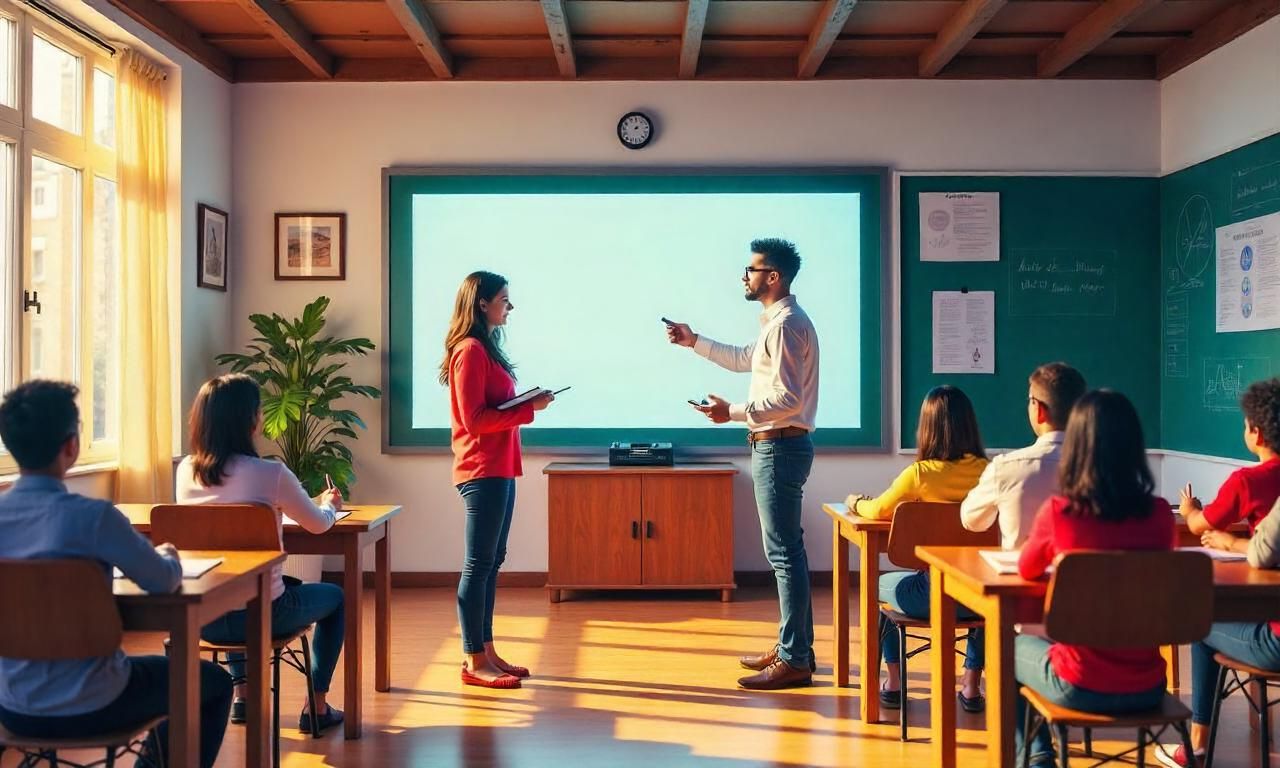
In today’s diverse and interconnected world, cultural methods in education have become essential for creating inclusive learning environments that cater to the needs of all students. These methods emphasize the importance of understanding and integrating students’ cultural backgrounds into the teaching process, which not only enhances engagement but also promotes deeper learning. By adapting instructional strategies to reflect the cultural diversity of the classroom, educators can foster a sense of belonging, reduce achievement gaps, and encourage critical thinking. This article delves into the significance of cultural methods in education, examines their benefits, and outlines practical strategies for implementation.
Understanding Cultural Methods in Education
What Are Cultural Methods in Education?
Cultural methods in education refer to pedagogical approaches that recognize and incorporate students’ cultural identities, values, and experiences into the learning process. These methods go beyond traditional teaching by acknowledging that culture shapes how students perceive, process, and retain information. By aligning educational content with students’ cultural contexts, teachers can create more meaningful and relevant learning experiences.
The Role of Culture in Learning
Culture influences cultural methods in education in profound ways. For instance, students from collectivist cultures may thrive in collaborative learning activities, while those from individualist cultures might excel in independent problem-solving tasks. Understanding these differences allows educators to design lessons that resonate with students’ lived experiences. This approach not only makes learning more relatable but also helps students see the value of their heritage in academic contexts.
Examples of Cultural Methods in Practice
One common example is the use of culturally responsive curriculum, where lessons are designed to reflect the histories, languages, and traditions of the students’ backgrounds. Another is the incorporation of bilingual education, which supports students who speak multiple languages. Additionally, cultural methods in education can include storytelling, art, and music that mirror the cultural diversity of the classroom. These techniques help students connect with the material on a personal level, leading to improved comprehension and retention.
The Benefits of Cultural Methods in Education
Enhancing Student Engagement
When students see their culture represented in the classroom, they are more likely to engage with the material. Cultural methods in education create a sense of relevance, making learning feel like a shared journey rather than a one-size-fits-all process. This engagement is particularly crucial for students who may feel marginalized in traditional educational settings.
Fostering Inclusivity and Equity
Inclusive education is a cornerstone of modern pedagogy, and cultural methods in education play a vital role in achieving this. By addressing cultural differences, teachers can ensure that all students have equal opportunities to succeed. For example, incorporating diverse perspectives into textbooks or using culturally relevant examples in science lessons can help students from underrepresented groups feel seen and valued. This inclusivity also reduces stereotypes and biases, creating a more equitable learning environment.
Improving Communication and Collaboration
Cultural methods in education enhance communication by bridging the gap between students and educators. When teachers use language and communication styles that align with students’ cultural norms, misunderstandings are minimized, and interactions become more effective. Moreover, collaborative activities that reflect cultural values can strengthen peer relationships and encourage teamwork. This is especially important in multicultural classrooms where students may have varying communication preferences.
Promoting Critical Thinking and Creativity
Cultural methods in education encourage students to think critically about their own cultural identities and those of others. By exploring diverse cultural viewpoints, students develop empathy and a broader understanding of the world. This cultural methods in education approach also stimulates creativity, as students are invited to contribute their unique cultural insights to problem-solving and project-based learning.
Strategies for Integrating Cultural Methods in Education

Designing Culturally Responsive Curriculum
A key strategy is to design a curriculum that reflects the cultural diversity of the student population. This involves selecting texts, topics, and materials that include contributions from various cultural groups. For instance, incorporating literature from authors of different ethnic backgrounds or teaching history through the lens of multiple perspectives can make the curriculum more inclusive. Cultural methods in education require educators to continuously review and update their content to ensure it represents the diversity of the classroom.
Creating an Inclusive Classroom Environment
An inclusive classroom environment is essential for cultural methods in education to thrive. Teachers can achieve this by establishing a culture of respect where students feel comfortable sharing their cultural experiences. Displaying cultural artifacts, celebrating cultural holidays, and allowing students to participate in decision-making processes all contribute to a welcoming atmosphere. This environment not only supports academic growth but also nurtures social-emotional development.
Training Educators in Cultural Competence
To effectively implement cultural methods in education, teachers must undergo training in cultural competence. This involves understanding the cultural backgrounds of their students, recognizing implicit biases, and adapting teaching practices accordingly. Professional development programs can provide educators with the tools to create culturally responsive lesson plans and address cultural differences in the classroom. Such training ensures that teachers are equipped to support all learners, regardless of their cultural context.
Utilizing Technology to Support Cultural Learning
Technology plays a crucial role in modern cultural methods in education. Digital tools such as virtual reality, educational apps, and online platforms can help students explore cultural experiences from anywhere. For example, cultural methods in education can use video conferencing to connect students with peers from different cultural backgrounds, fostering global awareness and collaboration. Additionally, interactive platforms can provide access to diverse cultural resources, making learning more dynamic and engaging.
Challenges and Solutions in Cultural Methods in Education
Overcoming Resistance to Change
One of the main challenges in adopting cultural methods in education is resistance to change from educators and institutions. Some teachers may be hesitant to incorporate cultural elements into their teaching due to a lack of training or a belief that traditional methods are more effective. To address this, schools can provide cultural methods in education training programs, share success stories, and create a supportive environment for innovation.
Addressing Language Barriers
Language differences can pose a significant challenge for cultural methods in education, especially in multilingual classrooms. Teachers must find ways to communicate effectively while respecting students’ linguistic backgrounds. Solutions include using visual aids, encouraging peer support, and incorporating bilingual resources. For example, cultural methods in education can use multilingual dictionaries or allow students to present assignments in their native language, ensuring that language diversity is not a barrier to learning.
Allocating Resources for Cultural Integration
Implementing cultural methods in education often requires additional resources, such as culturally relevant materials, technology, and professional development. Schools may face budget constraints, making it difficult to invest in these resources. To overcome this, educators can seek grants, collaborate with community organizations, and leverage free digital tools. These strategies help ensure that cultural methods in education are accessible even in under-resourced settings.
Avoiding Cultural Bias in Teaching
Cultural bias can unintentionally exclude certain groups from the learning process. Teachers must be mindful of their own cultural assumptions and actively seek to include diverse perspectives. Cultural methods in education encourage educators to audit their teaching materials for representation and to invite students to share their own cultural narratives. This proactive approach helps create a more balanced and fair educational experience for all learners.
Conclusion
In conclusion, cultural methods in education are a powerful tool for creating inclusive, effective, and engaging learning environments. By understanding and integrating students’ cultural backgrounds, educators can address diverse needs, foster empathy, and enhance academic outcomes. While challenges such as resistance to change and resource allocation may arise, strategic approaches like curriculum design, professional development, and technology integration can overcome these obstacles. As the world becomes more interconnected, embracing cultural methods in education is not just beneficial—it is essential for preparing students to thrive in a global society.