
How to Master Cultural Immersion Techniques for a Deeper Global Connection
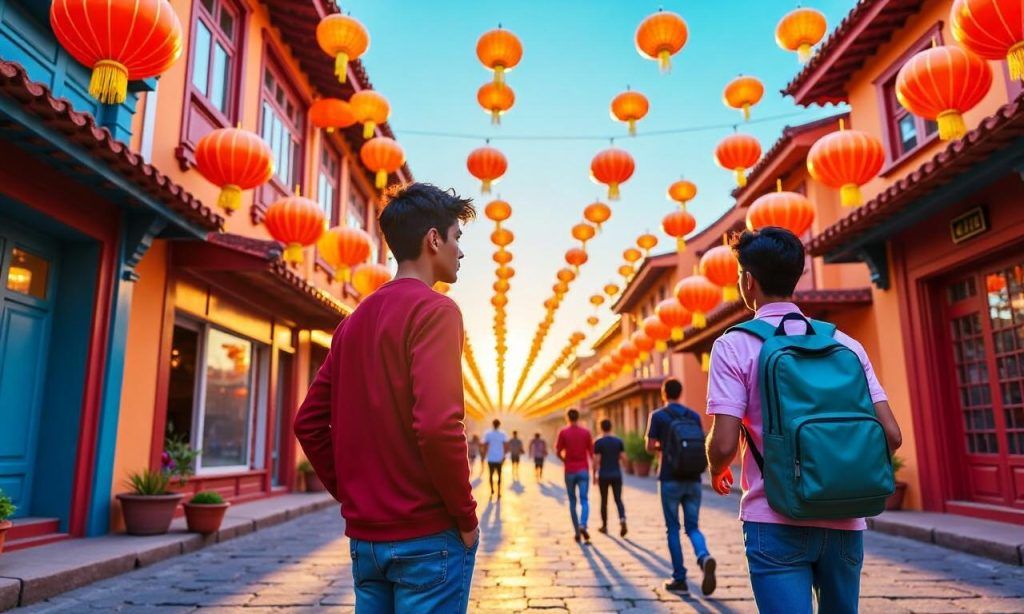
Cultural immersion techniques have become essential tools for anyone seeking to deepen their global connection. Whether you’re traveling for leisure, studying abroad, or working in a multicultural environment, mastering these methods can transform your experience from superficial to profound. By fully engaging with the local culture, you not only enhance your understanding of different traditions and values but also build meaningful relationships that transcend borders. From language learning to participating in daily rituals, cultural immersion techniques offer a pathway to authentic experiences. In a world where globalization is accelerating, these practices help individuals navigate cultural differences with empathy and curiosity, fostering a sense of belonging in diverse settings. This article explores effective cultural immersion techniques that can help you connect more deeply with the communities you encounter, ensuring your journey is both enriching and transformative.
Understanding the Importance of Cultural Immersion Techniques
Cultural immersion techniques are more than just a way to learn about a new place—they are a strategy for deepening global connections. When you immerse yourself in a different culture, you step outside your comfort zone and open your mind to new perspectives. This process allows you to experience the essence of a culture through its language, customs, and social interactions, rather than just observing it from a distance. For instance, learning the local language is a foundational cultural immersion technique that helps you communicate with residents, understand their way of life, and participate in everyday activities.
Beyond communication, cultural immersion techniques also enable you to appreciate the nuances that define a community. This includes everything from the way people greet each other to the significance of traditional festivals. By actively engaging in these practices, you create a bridge between your own background and the culture you’re exploring. This connection is not only valuable for personal growth but also for professional success, as it enhances cross-cultural collaboration and mutual respect.
The benefits of cultural immersion techniques extend beyond the immediate experience. They help you develop a more holistic view of the world, challenge assumptions, and build lasting relationships with people from different backgrounds. In today’s interconnected society, this kind of cultural immersion techniques is no longer optional—it’s a necessity for anyone looking to thrive in a globalized environment.
Practical Steps to Enhance Cultural Immersion Techniques
To effectively apply cultural immersion techniques, it’s important to start with intentional planning. Before embarking on an immersion journey, research the culture you’re entering. Learn about its history, social norms, and key traditions. This preparation allows you to approach new experiences with curiosity and openness, rather than surprise or hesitation. For example, understanding local customs can help you navigate social interactions with confidence, ensuring you avoid unintentional offenses.
One of the most impactful cultural immersion techniques is active participation. Instead of passively observing, engage in activities that reflect the local way of life. This could mean joining a community event, cooking traditional meals, or volunteering in a local initiative. Active participation helps you internalize cultural practices and build a genuine appreciation for their significance. It also provides opportunities to learn from locals, who can offer insights that textbooks or guides may not capture.
Another key aspect of cultural immersion techniques is environmental adaptation. This involves adjusting your behavior to align with local expectations. For instance, dressing appropriately for the climate or cultural norms, adopting local dining habits, or learning how to navigate public transportation. Environmental adaptation not only makes your experience smoother but also signals your respect for the culture you’re immersing in. It’s a subtle yet powerful way to show commitment to understanding and integrating into the community.
Engaging with Locals Through Cultural Immersion Techniques
Building relationships with locals is a cornerstone of cultural immersion techniques. When you connect with people who are part of the culture you’re exploring, you gain firsthand knowledge of their values, beliefs, and daily routines. This interaction can take many forms, such as chatting with shopkeepers, joining a local class, or participating in a family gathering. These interactions often reveal the hidden layers of a culture that are not visible in tourist attractions.
To foster deeper connections, consider using cultural immersion techniques that encourage authentic conversations. One effective method is learning the local language. Even basic phrases can go a long way in breaking down barriers and showing goodwill. For example, saying “Thank you” in the local language can make a significant difference in how you’re perceived. Additionally, asking open-ended questions about their lives, traditions, and challenges allows you to learn from their experiences.
Another cultural immersion technique is attending local events. Festivals, religious ceremonies, and community celebrations provide a window into the cultural identity of a place. By participating in these events, you not only enjoy the spectacle but also understand the underlying meanings and significance of the activities. For instance, a traditional dance performance might symbolize a community’s history or spiritual beliefs, which can be better grasped through direct involvement.
Overcoming Challenges with Cultural Immersion Techniques
Cultural immersion techniques are not without their challenges, but these obstacles can be opportunities for growth. One common difficulty is language barriers, which can hinder communication and create misunderstandings. However, this challenge can be overcome by practicing regularly and embracing the process of learning. For example, using language apps, conversing with locals, and making mistakes are all part of the journey. Each misstep becomes a stepping stone toward fluency and deeper cultural understanding.
Another challenge is cultural shock, which occurs when you’re exposed to unfamiliar customs or values. This phase is normal and often temporary, but it can be mitigated by applying cultural immersion techniques that promote adaptability. Keeping an open mind, staying patient, and reflecting on your experiences are essential strategies. By doing so, you can transform discomfort into curiosity, allowing you to appreciate the uniqueness of the culture you’re exploring.
Additionally, time management is a critical factor in successful cultural immersion. Balancing exploration with daily responsibilities requires planning and prioritization. For example, dedicating specific time to learn about local traditions while also engaging in professional or personal activities can ensure a well-rounded experience. This balance helps you maintain focus and avoid burnout, making your cultural immersion more sustainable.
The Role of Technology in Cultural Immersion Techniques
In the digital age, technology plays a vital role in enhancing cultural immersion techniques. Tools like language learning apps, virtual reality experiences, and social media platforms can supplement your physical journey and provide deeper insights. For instance, using apps such as Duolingo or Memrise can help you build language skills before your trip, giving you a head start in communicating with locals.
Virtual reality (VR) is another innovative cultural immersion technique that allows you to explore cultures from the comfort of your home. By experiencing a destination’s landmarks, traditions, and daily life through immersive VR content, you can prepare yourself mentally and emotionally for the actual visit. This method is particularly useful for those who may not have the means to travel but still want to engage with different cultures.
Moreover, social media and online communities offer a platform to connect with people from around the world. Joining local groups on platforms like Facebook or Instagram, or participating in virtual cultural exchanges, can help you gain a broader perspective. These digital interactions complement physical immersion, creating a layered understanding of global cultures.
The Power of Observation in Cultural Immersion Techniques
Observation is one of the most powerful cultural immersion techniques that many people overlook. By carefully watching how locals interact, dress, and celebrate, you can uncover subtle cultural cues that reveal a lot about their values and traditions. For example, observing how a community gathers for meals or how children are raised can provide insights that go beyond what is taught in books or guides.
To practice this technique, spend time in public spaces such as markets, cafes, or religious sites. Pay attention to body language, speech patterns, and social hierarchies. These observations can help you understand unspoken rules and norms that shape the culture. By doing so, you become more attuned to the local environment and can navigate it with greater ease.
Additionally, keeping a journal or recording your experiences can reinforce the impact of cultural immersion techniques. Writing down your thoughts, noting differences in behavior, and reflecting on what you’ve learned helps solidify your understanding. This practice also allows you to track your progress and identify areas where you need to improve.
Integrating Cultural Immersion Techniques into Daily Life
To make cultural immersion techniques a lasting part of your life, integrate them into your routine. This doesn’t mean you have to live in a foreign country forever, but it does require a commitment to learning and adapting. For example, if you’re living in a multicultural city, take time to explore local neighborhoods, try new foods, and attend cultural events. These small steps can gradually build your awareness and appreciation.
Another way to maintain cultural engagement is by maintaining a cultural connection even after your initial immersion. This could involve continuing to practice a new language, following local customs in your daily interactions, or sharing your experiences with others. By doing this, you create a lasting bond with the culture and keep it alive in your mind.
Additionally, reflecting on your cultural immersion journey is crucial. Set aside time to evaluate what you’ve learned, how your perspectives have changed, and what you still want to explore. This reflection helps you grow and ensures that your cultural immersion techniques are not just temporary activities but meaningful practices that shape your worldview.
The Long-Term Benefits of Cultural Immersion Techniques
The long-term benefits of cultural immersion techniques extend far beyond the immediate experience. They contribute to personal development, professional growth, and a broader understanding of the world. For instance, individuals who engage in cultural immersion techniques often report increased empathy, adaptability, and problem-solving skills. These qualities are highly valued in today’s global workforce, where cross-cultural collaboration is essential.
On a personal level, cultural immersion techniques can lead to a more enriching life. Exposure to new cultures broadens your horizons, helping you appreciate diversity and find common ground with people from different backgrounds. This understanding can strengthen relationships, both locally and internationally, fostering a sense of unity in a fragmented world.
Moreover, cultural immersion techniques encourage continuous learning and self-discovery. As you immerse yourself in new environments, you challenge your assumptions and develop a more nuanced perspective. This process not only deepens your connection with others but also helps you grow as an individual, making you more open-minded and culturally aware.
Overcoming Cultural Bias Through Immersion Techniques
Cultural bias is a natural part of human perception, but cultural immersion techniques can help you overcome it. By actively engaging with a different culture, you expose yourself to perspectives that challenge your existing beliefs. For example, participating in a local tradition that differs from your own can make you question why certain practices are valued in one culture but not another.
One of the best ways to reduce cultural bias is through cultural immersion techniques that promote empathy. Spending time in the community, sharing meals, and engaging in conversations allow you to see the world through others’ eyes. This empathy can lead to a deeper appreciation of cultural differences and a more inclusive mindset.
Additionally, cultural immersion techniques help you recognize the strengths and beauty of other cultures. Instead of viewing them as foreign or exotic, you begin to see them as valuable and integral to the global tapestry. This shift in perspective not only enriches your experience but also fosters respect and curiosity for all cultures.
Measuring Success in Cultural Immersion Techniques
Measuring the success of cultural immersion techniques requires more than just ticking off experiences. It involves assessing how deeply you’ve internalized the culture and how it has influenced your behavior and mindset. For example, have you started adopting local customs in your daily life? Are you able to communicate in the language with confidence? These questions help determine how much you’ve grown through immersion.
To evaluate your progress, consider tracking your interactions and learning outcomes. Keep a log of conversations you’ve had, traditions you’ve participated in, and challenges you’ve overcome. This record can serve as a reflection tool, showing you how far you’ve come and highlighting areas for improvement.
Another way to measure success is by observing your personal growth. Have you become more patient, open-minded, or adaptable? These qualities are often the result of effective cultural immersion techniques and indicate that your experience has been transformative.
Real-World Applications of Cultural Immersion Techniques
Cultural immersion techniques are not limited to travel—they are applicable in various real-world scenarios. For instance, in a workplace with a multicultural team, using these techniques can enhance collaboration and reduce misunderstandings. Active participation in team meetings, learning about colleagues’ cultural backgrounds, and adapting to different work styles are all part of this process.
In educational settings, cultural immersion techniques can enrich the learning experience. Studying abroad or participating in international exchange programs allows students to apply these methods in a practical way. Engaging with locals, attending cultural workshops, and exploring the local environment help students develop a more comprehensive understanding of the world.
Even in everyday life, cultural immersion techniques can be used to build stronger connections. Whether you’re interacting with people from different backgrounds or exploring new places, these strategies help you engage with the world more meaningfully. This application ensures that cultural immersion is not just an occasional activity but a continuous journey of learning and growth.
Future of Cultural Immersion Techniques in a Globalized World
As globalization continues to shape our world, the future of cultural immersion techniques is more important than ever. With technology and travel becoming more accessible, people are increasingly exposed to diverse cultures. However, the key to making these experiences meaningful lies in the cultural immersion techniques we choose.
One emerging trend is the use of cultural immersion techniques that blend virtual and physical experiences. For example, online platforms now offer virtual tours, language lessons, and cultural exchanges, allowing individuals to explore different cultures from anywhere. This trend is particularly beneficial for those who may not have the resources for long-term travel but still want to engage with global traditions.
In the future, cultural immersion techniques will likely focus on sustainability and inclusivity. As communities become more interconnected, there is a growing emphasis on responsible immersion that respects local cultures and minimizes cultural appropriation. This shift ensures that cultural immersion techniques are not only educational but also ethical and impactful.
Sustaining Cultural Immersion Techniques After the Journey
Once your **cultural immersion techniques
