
Top 10 Ways to Preserve Cultural Heritage: A Guide to Tradition and Identity
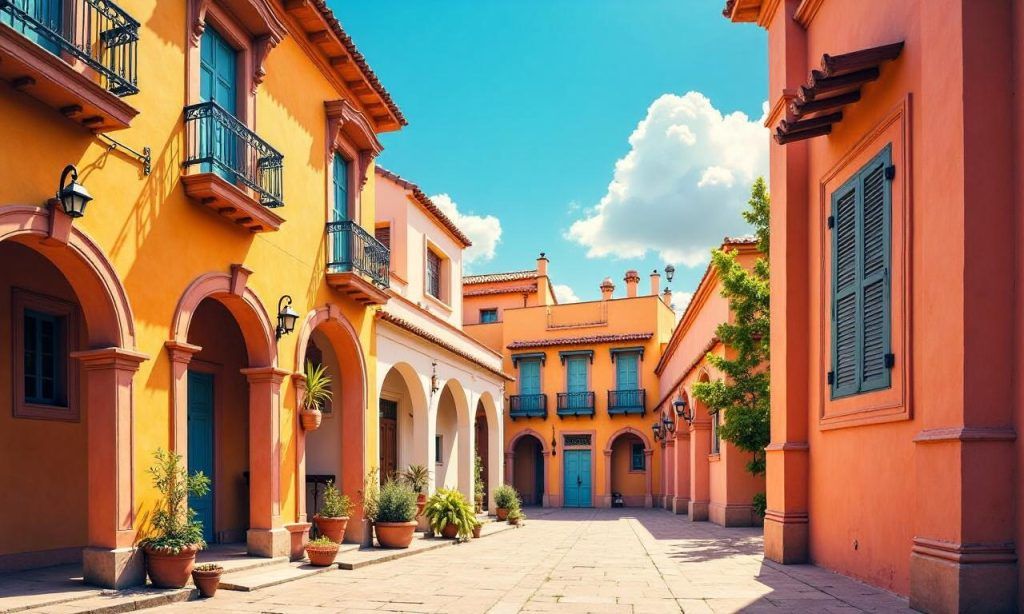
Cultural heritage is a vital part of human identity, encompassing the traditions, languages, art, and practices that define a community’s history and values. In an era of rapid globalization and technological advancement, the need to preserve these elements has never been more urgent. From ancient rituals to modern customs, cultural heritage shapes how people connect with their roots and pass down knowledge to future generations. However, many aspects of cultural heritage are at risk of being lost due to urbanization, environmental changes, and the dominance of mainstream culture. The question is: how can we safeguard these treasures? This article explores ways to preserve cultural heritage by presenting a comprehensive guide that highlights the most effective strategies for maintaining tradition and identity. By understanding these methods, individuals, communities, and governments can work together to ensure that cultural legacies continue to thrive in the face of modern challenges.
Documenting and Archiving Cultural Practices
Preserving cultural heritage begins with documenting its various aspects, whether through written records, photographs, or digital media. This process ensures that traditions, languages, and historical practices are not only remembered but also accessible for future generations. One of the most impactful ways to preserve cultural heritage is through the creation of comprehensive archives that capture the essence of a community’s identity. These archives can include oral histories, traditional music, and dance performances, which are often at risk of disappearing if not recorded properly.
The Role of Digital Archives
Digital archives have revolutionized the way we store and access cultural information. By digitizing traditional practices, communities can preserve them in a format that is easy to share and safeguard against physical damage. For instance, text italic museums and libraries now use online platforms to host virtual exhibits, making cultural artifacts and stories available to a global audience. This approach not only preserves cultural heritage but also fosters cross-cultural exchange and learning. In addition, digital archives can be updated regularly, allowing for the inclusion of new traditions or changes in existing ones.
Oral History Projects
Oral history projects are another crucial way to preserve cultural heritage. These initiatives involve recording stories, songs, and folktales from elders and community members, ensuring that intangible aspects of culture are not forgotten. Text bold Many indigenous communities, for example, have used oral history to pass down knowledge about their ancestors, land, and spiritual beliefs. By text italic transcribing and translating these narratives, they can share them with younger generations and outsiders alike. This method is especially effective for preserving languages that are endangered or at risk of extinction.
Educating the Next Generation
Cultural education plays a central role in preserving heritage, as it instills a sense of pride and awareness in younger generations. Schools, universities, and community programs are essential ways to preserve cultural heritage by teaching the history, values, and practices that define a culture. When children and students are exposed to their cultural roots early on, they are more likely to appreciate and continue these traditions into adulthood.
Integrating Cultural Studies into Curricula
Incorporating cultural studies into school curricula is a powerful way to preserve cultural heritage. This includes teaching traditional languages, local customs, and historical events that are unique to a community. For example, text italic many countries now offer courses on indigenous history and art, helping students understand the significance of their heritage. Additionally, text bold interactive learning methods, such as workshops and field trips, can make cultural education more engaging and impactful.
Encouraging Cultural Participation in Communities
Community involvement is another key aspect of cultural preservation. Local events, such as festivals, storytelling sessions, and craft demonstrations, allow people to actively participate in maintaining their traditions. These activities are not only ways to preserve cultural heritage but also strengthen social bonds and collective memory. By text italic encouraging participation, especially among youth, communities can ensure that cultural practices remain alive and relevant.
Supporting Local Artisans and Crafts
Traditional crafts and artisanal skills are often the heartbeat of a culture, reflecting its creativity, values, and history. Supporting local artisans is a fundamental way to preserve cultural heritage, as it keeps these skills alive and promotes cultural pride. When artisans are recognized and valued, their work becomes a symbol of identity and continuity.
Promoting Traditional Crafts
Promoting traditional crafts is a way to preserve cultural heritage that bridges the past and present. By text italic creating markets and platforms for local artisans to showcase their work, communities can generate economic opportunities while preserving their cultural legacy. For instance, text bold weaving, pottery, and textile-making are not only art forms but also living traditions that require skilled hands and time-honored techniques. Supporting these crafts ensures that they are passed down and adapted for contemporary use.
Encouraging Cultural Festivals and Events
Cultural festivals and events are ways to preserve cultural heritage by bringing communities together to celebrate their unique traditions. These gatherings provide a space for people to experience and engage with their heritage through music, dance, food, and art. Text italic By text bold organizing festivals that highlight local customs, communities can attract both internal and external interest, fostering a sense of unity and pride. These events also serve as a platform for introducing cultural practices to new audiences and inspiring future generations.
Leveraging Technology for Preservation
Technology has opened new ways to preserve cultural heritage, making it easier to document, share, and transmit traditions in the digital age. From online platforms to virtual reality tools, modern innovations are helping to bridge the gap between preservation and accessibility.
Digital Platforms and Social Media
Digital platforms and social media have become powerful ways to preserve cultural heritage by allowing communities to share their stories and traditions with a global audience. Text italic Websites, blogs, and video-sharing sites can be used to document cultural practices, such as cooking techniques, crafts, or rituals, and make them available to anyone with internet access. This method not only preserves cultural heritage but also encourages younger generations to explore and embrace their roots through digital storytelling.
Virtual Reality and Augmented Reality
Virtual reality (VR) and augmented reality (AR) are cutting-edge ways to preserve cultural heritage that offer immersive experiences of historical sites, traditions, and art. Text italic These technologies can recreate ancient landscapes, allow users to interact with cultural artifacts, or even simulate traditional dances and performances. For example, text bold museums and cultural institutions have started using VR to create virtual tours of endangered sites, ensuring that their significance is not lost to time. By text italic integrating these tools into education and tourism, we can create lasting connections to cultural heritage.
Encouraging Intergenerational Transmission
Passing down cultural knowledge from one generation to the next is a cornerstone of heritage preservation. Without this transmission, many traditions risk fading into obscurity. Ensuring that ways to preserve cultural heritage include intergenerational learning helps maintain the continuity of cultural practices.
Family and Community Workshops
Family and community workshops are effective ways to preserve cultural heritage by fostering direct interaction between elders and younger members. These sessions allow for hands-on learning, such as teaching traditional cooking, crafting, or music, which strengthens bonds and ensures that skills are not lost. Text italic For instance, text bold many indigenous groups use family gatherings to teach the use of native languages and storytelling techniques, preserving their oral traditions. These workshops are not only educational but also create a sense of belonging and shared identity.
Mentorship Programs and Cultural Apprenticeships
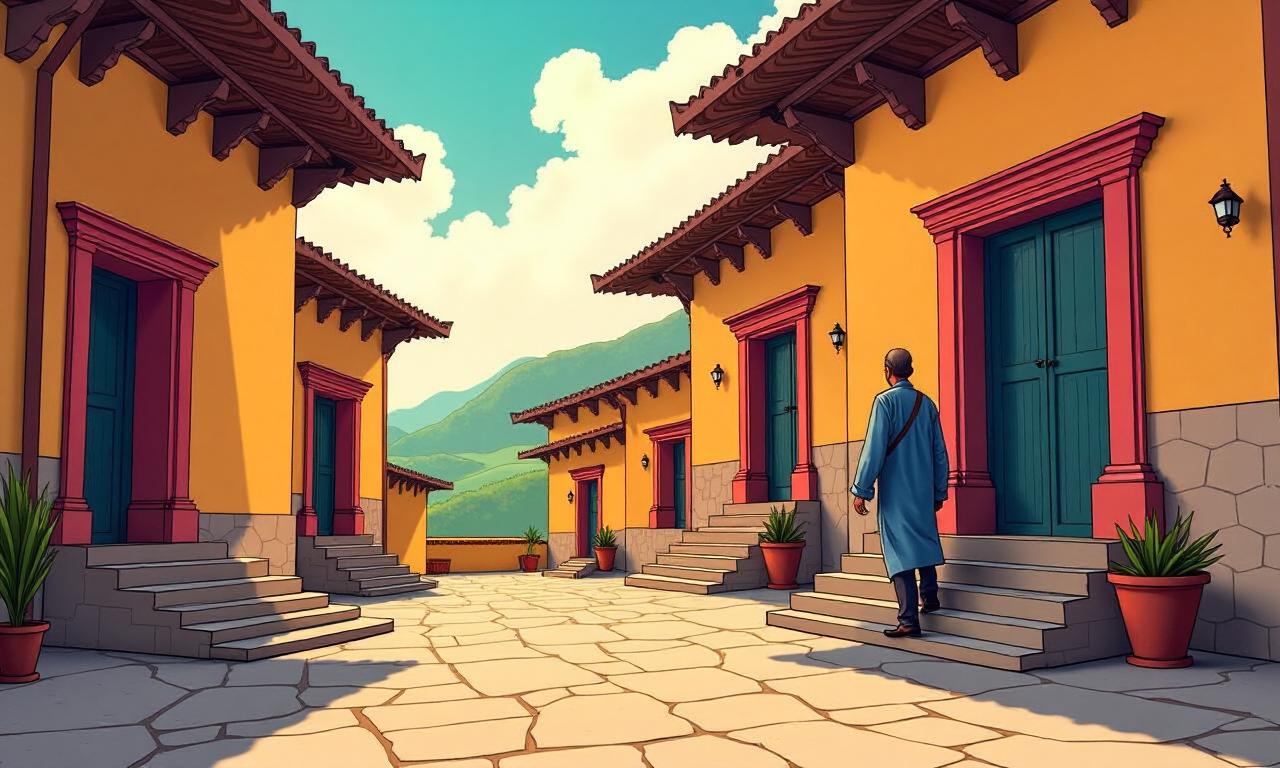
Mentorship programs and cultural apprenticeships are ways to preserve cultural heritage that provide structured learning opportunities. These programs pair experienced practitioners with newcomers, allowing for the transfer of knowledge in a supportive environment. Text italic By text bold investing in such initiatives, communities can ensure that cultural traditions are taught and practiced by future generations. This method is particularly important for preserving skills that require years of practice, such as blacksmithing or pottery.
Government and Policy Initiatives
Government policies and initiatives play a critical role in ways to preserve cultural heritage by providing the necessary resources, legal frameworks, and funding. When cultural preservation is integrated into national and local policies, it becomes a priority that can lead to long-term success.
Legal Protections for Cultural Assets
Legal protections are essential ways to preserve cultural heritage, as they safeguard cultural sites, artifacts, and traditions from exploitation or destruction. Laws can be enacted to protect historical landmarks, ensure that traditional practices are recognized, and support cultural education programs. Text italic For example, text bold many countries have established cultural heritage laws that require the preservation of historical buildings and intangible cultural elements, such as festivals and rituals. These laws also provide a basis for legal action against the unauthorized use or commercialization of cultural symbols.
Funding for Cultural Preservation Projects
Funding is another way to preserve cultural heritage that enables the development of preservation projects, such as museums, archives, and community programs. Governments can allocate budgets to support these initiatives, ensuring that cultural heritage remains a priority in public funding. Text italic Additionally, text bold grants and subsidies for local artisans or cultural organizations can help sustain traditional practices and encourage innovation. By text italic investing in cultural preservation, governments can foster a society that values its history and diversity.
Collaboration Between Communities and Institutions
Collaboration between local communities and cultural institutions is a vital way to preserve cultural heritage. When both parties work together, they can combine grassroots knowledge with professional resources to create sustainable preservation efforts.
Partnerships with Museums and Universities
Partnerships with museums and universities are ways to preserve cultural heritage that bring academic expertise and community insight together. For example, text italic universities can conduct research on traditional practices, while communities provide firsthand knowledge and cultural context. These collaborations often result in the creation of educational programs, exhibitions, and publications that highlight the significance of cultural heritage. Text bold By working with institutions, communities can ensure that their traditions are accurately represented and preserved for future generations.
Engaging Nonprofits and International Organizations
Nonprofits and international organizations also contribute to ways to preserve cultural heritage by providing financial support, technical assistance, and global awareness. Organizations such as UNESCO and local cultural foundations play a key role in documenting and promoting endangered traditions. Text italic These groups often collaborate with communities to create preservation strategies, share best practices, and advocate for cultural rights. By text bold engaging with such organizations, communities can access resources that help them protect their heritage on a larger scale.
Revitalizing Endangered Languages
Languages are one of the most fragile aspects of cultural heritage, as they carry the essence of a community’s worldview, history, and traditions. Revitalizing endangered languages is a crucial way to preserve cultural heritage, especially in regions where languages are rapidly disappearing.
Language Documentation and Revival Programs
Language documentation and revival programs are ways to preserve cultural heritage that focus on recording and promoting endangered languages. This includes creating dictionaries, audiovisual materials, and educational resources that help people learn and use their native tongue. Text italic For example, text bold some indigenous communities have launched language immersion programs that teach children through storytelling, songs, and daily activities, reinforcing their connection to cultural identity.
Promoting Multilingual Education
Promoting multilingual education is another way to preserve cultural heritage by integrating local languages into school systems. This approach ensures that younger generations are not only exposed to their heritage language but also learn to value it. Text italic Schools can offer bilingual classes or cultural language programs that teach traditional expressions, dialects, and linguistic nuances. By text bold making language learning a part of everyday education, communities can combat language loss and preserve their unique way of communication.
Cultural Tourism as a Preservation Tool
Cultural tourism offers a unique way to preserve cultural heritage by creating economic incentives for communities to maintain their traditions and historical sites. When people travel to experience local culture, they not only support the local economy but also help preserve the heritage they encounter.
Sustainable Cultural Tourism Practices
Sustainable cultural tourism practices are ways to preserve cultural heritage that ensure the long-term protection of cultural sites and traditions. This includes developing tourism routes that highlight historical landmarks, traditional crafts, and local festivals. Text italic By text bold involving local communities in the planning and management of tourism activities, regions can benefit from economic growth while maintaining the authenticity of their cultural offerings.
Enhancing Visitor Experience Through Heritage Sites
Enhancing visitor experience through heritage sites is another way to preserve cultural heritage that encourages people to engage with and appreciate local traditions
