
Top Cultural Festivals Around the World You Must Experience
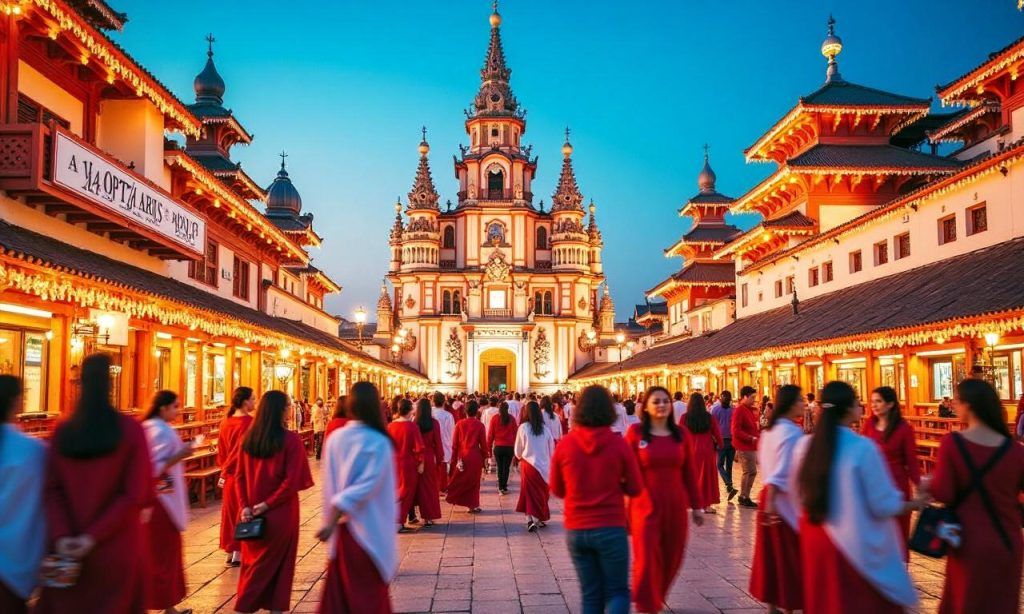
Cultural festivals around the world are more than just events; they are vibrant expressions of heritage, tradition, and community. These celebrations bring people together to honor their roots, share stories, and showcase the unique aspects of their culture through music, dance, food, and art. Whether you’re a traveler seeking new experiences or someone passionate about learning about different traditions, exploring cultural festivals around the world can be a life-changing journey. From the bustling markets of India’s Holi to the majestic lantern displays of Japan’s Gion Matsuri, each festival offers a glimpse into the soul of a nation. In this article, we’ll dive into some of the most iconic and unforgettable cultural festivals around the world, highlighting why they should be on every traveler’s bucket list.
Unforgettable Cultural Festivals in Asia
Asia is home to a stunning array of cultural festivals that reflect the region’s rich history and diverse traditions. From the ancient rituals of Japan to the exuberant street performances of India, these festivals are a testament to the creativity and resilience of Asian cultures. Each cultural festival around the world in Asia is a sensory feast, combining art, music, and cuisine to create an immersive experience for visitors and locals alike.
Japan’s Gion Matsuri
One of the most renowned cultural festivals around the world is the Gion Matsuri in Kyoto, Japan. This festival, which has been celebrated for over a millennium, is a vibrant blend of historical traditions and modern-day excitement. Every July, the streets of Kyoto come alive with parades of elaborately decorated floats (yamaboko), traditional music, and stunning performances that date back to the Heian period. The floats, some over 10 meters tall, are intricately crafted and feature intricate carvings and vibrant colors, making them a highlight of the event.
The Gion Matsuri is not just about visual splendor; it’s also a time for community engagement and spiritual reflection. Local artisans, performers, and volunteers work tirelessly to bring the festival to life, ensuring that it remains a deeply rooted celebration of Kyoto’s cultural identity. Participants often wear traditional kimono, adding to the festival’s atmosphere of historical reverence. For those who have the chance to attend, this cultural festival around the world is a must-experience event that captures the essence of Japanese tradition.
India’s Holi and Diwali
India is known for its vibrant cultural festivals around the world, but none are as iconic as Holi and Diwali. Holi, the Festival of Colors, is celebrated in March and is a time for joy, unity, and renewal. People throw colorful powders and water at each other, creating a lively and chaotic atmosphere that symbolizes the triumph of good over evil. Diwali, the Festival of Lights, is another major event, marked by decorative lights, fireworks, and offerings to deities. Both festivals are not only a visual spectacle but also a deeply spiritual and communal experience.
Holi is particularly unique because it transcends social and religious boundaries, bringing people of all backgrounds together in a shared celebration. The festival’s origins are tied to the story of Prince Prahlad and the demon king Hiranyakashipu, making it a blend of myth and festivity. Diwali, on the other hand, is a time of reflection and gratitude, with traditional sweets, incense, and prayers playing a central role. These cultural festivals around the world in India offer a perfect opportunity to witness the country’s diverse cultural tapestry and its deep connection to spirituality.
Iconic Cultural Festivals in Europe
Europe is a continent steeped in history, and its cultural festivals around the world are a reflection of that legacy. From the lively street parades of Venice to the beer-fueled revelry of Oktoberfest in Germany, these festivals showcase the continent’s ability to blend ancient customs with contemporary flair. Whether you’re drawn to the grandeur of medieval traditions or the energy of modern celebrations, Europe has something for everyone.
Venice Carnival: A Timeless Spectacle
The Venice Carnival is one of the most famous cultural festivals around the world, known for its elaborate masks and costumes that date back to the 13th century. This event, which takes place in February or March, transforms the city into a magical realm of fantasy and tradition. The festival’s origins are linked to the <strong>historical tradition of masking</strong> to conceal social status during the Venetian Republic, and that spirit lives on today with <strong>costumes that range from opulent to whimsical</strong>.
Venice Carnival is more than just a display of creativity; it’s a cultural phenomenon that attracts millions of visitors each year. The city’s canals and piazzas become the stage for <strong>parades, masquerade balls, and street performances</strong> that celebrate the city’s rich artistic heritage. Whether you’re admiring the spectacular floats in the Grand Canal or participating in a masquerade dance in a historic palazzo, this cultural festival around the world is a must-see for anyone interested in European history and artistry.
Oktoberfest in Germany: A Beer Lover’s Paradise
If you’re a fan of beer and music, Oktoberfest in Munich, Germany, is a cultural festival around the world that should not be missed. This annual event, which began in 1810, is a celebration of Bavarian culture and the tradition of beer drinking. The festival is known for its <strong>vibrant tents, traditional folk music, and the iconic Lebkuchen (gingerbread) and pretzels</strong> that are staples of the experience.

Oktoberfest is a massive affair, lasting over two weeks and drawing millions of visitors from across the globe. The main attraction is the <strong>beer tents</strong>, where you can sip on <strong>Mug (mass) beer</strong> and enjoy <strong>costumed performers</strong> dancing to the rhythms of traditional Bavarian folk tunes. Beyond the beer, the festival also highlights German craftsmanship, food, and customs, making it a rich cultural experience. For those who love both beer and tradition, this cultural festival around the world is a highlight of the European calendar.
Vibrant Cultural Festivals in Africa
Africa is a continent of incredible cultural diversity, and its cultural festivals around the world are a celebration of that richness. From the lively rhythms of the Soweto Youth Festival to the elegant traditions of the Fes Festival of World Sacred Music, these events offer a unique window into African heritage and modern creativity. Each cultural festival around the world in Africa is a blend of historical significance and contemporary expression, making them both educational and entertaining.
Soweto Youth Festival: A Celebration of African Pride
The Soweto Youth Festival in South Africa is a cultural festival around the world that showcases the continent’s youthful energy and artistic innovation. Held in Soweto, a historically significant township in Johannesburg, this event is a vibrant mix of music, dance, and street art that reflects the cultural identity of the African diaspora. The festival is a platform for <strong>local and international artists</strong> to express their creativity through <strong>traditional and modern performances</strong>, creating a dynamic atmosphere that resonates with visitors.
Soweto Youth Festival is particularly notable for its emphasis on social issues and cultural pride. It brings together <strong>musicians, poets, and activists</strong> to celebrate the <strong>resilience of the African community</strong> and its role in shaping global culture. Whether you’re there to dance to Afrobeat, hip-hop, or traditional drumming, or simply soak in the energy of the crowd, this cultural festival around the world is a must-attend for anyone interested in the African experience.
Fes Festival of World Sacred Music: A Spiritual Harmony
In Morocco, the Fes Festival of World Sacred Music is a cultural festival around the world that brings together artists from different faiths and traditions. This event, held in the ancient city of Fes, is a celebration of spiritual music and cultural exchange, featuring performances from Christian, Islamic, Jewish, and other religious traditions. The festival’s location in the <strong>heart of Morocco’s spiritual heritage</strong> makes it a unique opportunity to experience <strong>diverse musical styles and philosophies</strong> in a <strong>historically significant setting</strong>.
The Fes Festival of World Sacred Music is not just about music; it’s also a platform for dialogue and understanding. Participants engage in <strong>discussions, workshops, and collaborations</strong> that highlight the <strong>shared values of different religions</strong> and their artistic expressions. Whether you’re there to listen to the haunting melodies of traditional Arabic music or experience the harmonious blending of faiths, this cultural festival around the world is a testament to the power of art in uniting people across cultures.
Colorful Cultural Festivals in the Americas
The Americas are a mosaic of cultures, and their cultural festivals around the world reflect that diversity. From the lively street parties of Brazil’s Carnival to the spiritual observances of Mexico’s Día de los Muertos, these festivals offer a glimpse into the continent’s rich traditions and modern innovations. Each cultural festival around the world in the Americas is a celebration of identity, history, and creativity, making them a favorite among travelers and locals alike.
Brazil’s Carnival: A Parade of Passion
Brazil’s Carnival is one of the most cultural festivals around the world and a highlight of the country’s social calendar. This annual event, which takes place in Rio de Janeiro and other cities, is a celebration of music, dance, and street art that showcases the dynamic energy of Brazilian culture. The festival is known for its <strong>spectacular parades</strong>, <strong>elaborate samba performances</strong>, and <strong>colorful costumes</strong> that transform the streets into a <strong>vibrant canvas of creativity</strong>.
Carnival in Brazil is not just about the parades and music; it’s also a time for communal joy and cultural expression. The <strong>historical roots</strong> of the festival can be traced back to <strong>African and European influences</strong>, creating a <strong>unique blend of traditions</strong> that is celebrated with <strong>enthusiasm and pride</strong>. Whether you’re there to witness the samba schools compete in the Sambadrome or to dance in the streets with thousands of revelers, this cultural festival around the world** is an unforgettable experience.
