
Eco Fashion Trends Shaping Sustainable Style Today
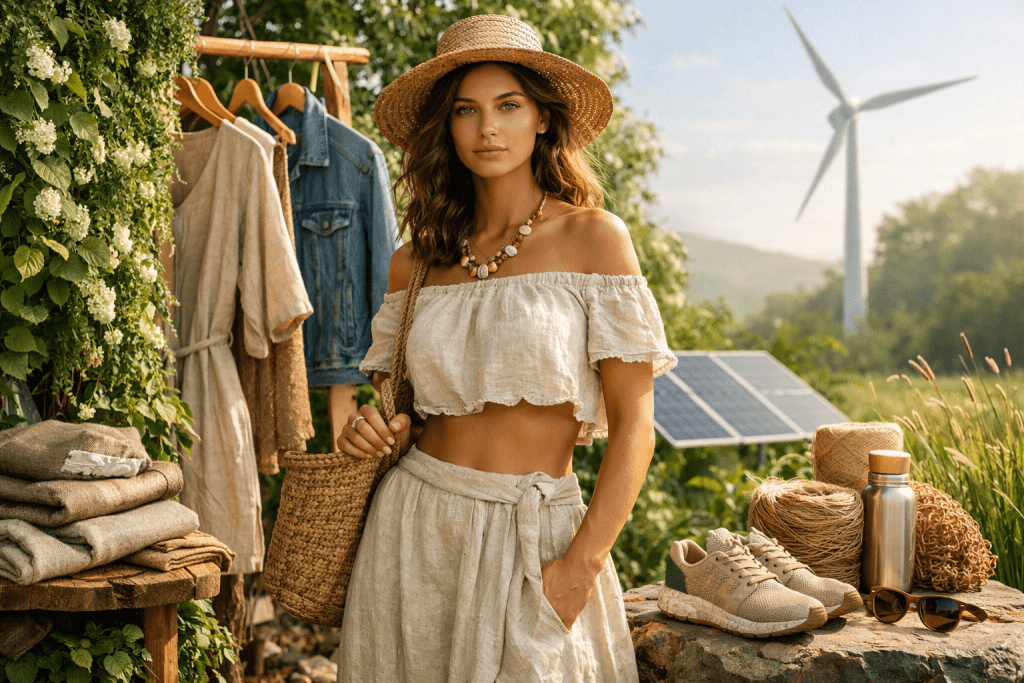
Sustainability is no longer a niche concept in the fashion industry. Consumers today want transparency, ethical production, and long-lasting quality. As climate awareness grows, eco fashion trends are reshaping how clothing is designed, produced, marketed, and worn. These trends go beyond aesthetics and focus on measurable environmental and social impact.
Modern sustainable style is defined by innovation, responsibility, and practicality. Brands are moving away from fast fashion cycles and embracing systems that reduce waste, conserve resources, and respect labor rights. Understanding the most influential eco fashion trends helps consumers make informed choices and businesses stay competitive in a rapidly evolving market.
The Rise of Circular Fashion Models
One of the most transformative eco fashion trends is the shift toward circular fashion. Traditional fashion follows a linear model: produce, consume, discard. Circular systems aim to extend product life cycles through reuse, repair, resale, and recycling.
Many brands now design garments with durability and recyclability in mind. Modular construction, detachable components, and mono-material fabrics make recycling easier at the end of a garment’s life. This design strategy reduces landfill waste and minimizes the demand for virgin raw materials.
The growth of resale platforms and clothing rental services also supports circularity. Consumers increasingly buy secondhand or rent occasion wear instead of purchasing items that may only be worn once. This shift reduces overproduction and normalizes reuse as part of everyday fashion culture.
Take-back programs are becoming common as well. Companies encourage customers to return used garments for store credit, ensuring materials are recovered and reprocessed responsibly. Circularity is no longer experimental; it is becoming an industry standard.
Sustainable Materials and Innovative Textiles
Material innovation sits at the core of eco fashion trends. Conventional cotton, polyester, and leather production consume vast amounts of water and energy while generating pollution. In response, brands are investing in low-impact fibers and regenerative agriculture.
Organic cotton, hemp, and linen require fewer pesticides and less water than traditional crops. Regenerative farming practices improve soil health, increase biodiversity, and capture carbon, turning agriculture into part of the climate solution. These methods provide both environmental and long-term economic benefits.
Recycled materials are also gaining traction. Recycled polyester made from post-consumer plastic bottles reduces reliance on fossil fuels. Recycled nylon derived from fishing nets and industrial waste addresses ocean pollution while supplying durable fabric alternatives.
Bio-based innovations represent another breakthrough. Materials derived from mushrooms, algae, pineapple leaves, and lab-grown leather offer promising substitutes for animal-based products. As scalability improves, these materials are expected to become more accessible and cost-effective.
Ethical Production and Supply Chain Transparency
Sustainability extends beyond environmental factors. Ethical labor practices and transparent sourcing are fundamental components of eco fashion trends. Consumers increasingly demand proof that garments are produced under safe and fair working conditions.
Digital tools such as blockchain and QR-based tracking allow buyers to trace garments from raw material to finished product. This transparency builds trust and holds brands accountable for every stage of production. It also pressures suppliers to meet environmental and labor standards.
Certifications play a significant role in verifying claims. Labels such as Fair Trade, GOTS (Global Organic Textile Standard), and OEKO-TEX provide third-party validation of environmental and social practices. These standards help consumers distinguish genuine sustainability from marketing claims.
Local production and nearshoring are gaining attention as well. Shorter supply chains reduce transportation emissions and provide better oversight of labor conditions. While not universally applicable, regional manufacturing strengthens accountability and resilience.
Slow Fashion and Timeless Design
Fast fashion’s rapid turnover has fueled overconsumption for decades. In contrast, slow fashion prioritizes quality, longevity, and thoughtful purchasing decisions. This philosophy is central to modern eco fashion trends.
Designers are focusing on timeless silhouettes, neutral color palettes, and versatile garments that remain relevant across seasons. Instead of chasing micro-trends, brands promote wardrobe essentials designed to last for years. This approach reduces impulse buying and textile waste.
Higher-quality construction methods also support durability. Reinforced seams, natural dyes, and premium fabrics extend garment life spans. Consumers are encouraged to view clothing as an investment rather than disposable goods.
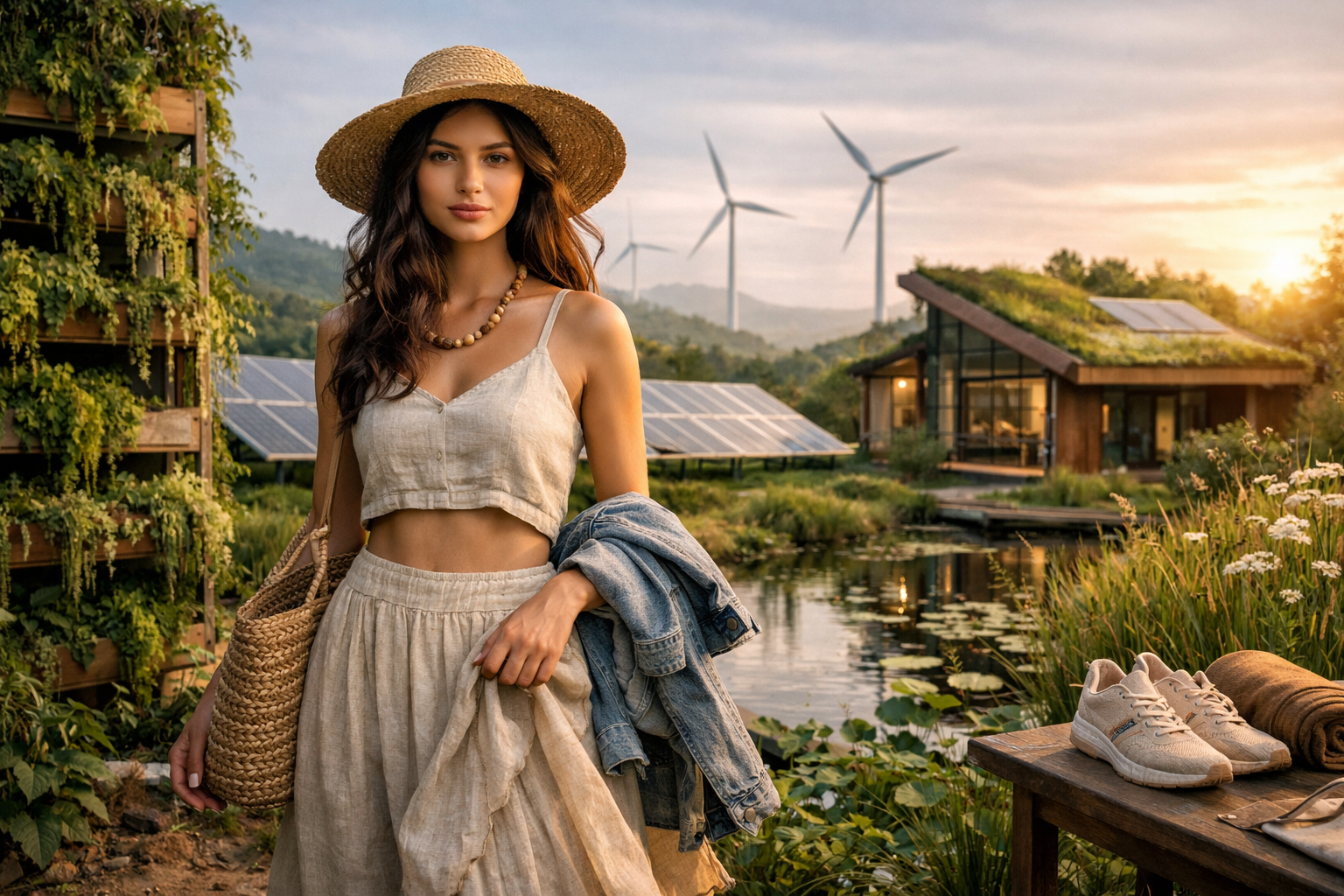
Repair culture is resurging alongside slow fashion. Visible mending, patchwork, and customization celebrate imperfections instead of hiding them. This cultural shift reframes wear and tear as character rather than damage, reducing the pressure to replace items prematurely.
Technology Driving Sustainable Innovation
Technology plays a critical role in accelerating eco fashion trends. Advanced data analytics help brands forecast demand more accurately, reducing overproduction. On-demand manufacturing and small-batch production further minimize excess inventory.
3D design software allows designers to create digital samples before producing physical prototypes. This reduces fabric waste, shipping emissions, and development costs. Virtual showrooms and digital fashion presentations limit travel-related environmental impact.
Waterless dyeing technologies and closed-loop water systems reduce chemical discharge and water consumption. These innovations significantly lower the environmental footprint of textile processing, one of the most polluting stages of garment production.
Artificial intelligence is also being used to optimize material usage during pattern cutting. Precise digital layouts minimize fabric offcuts, improving efficiency without compromising design quality. As these technologies mature, sustainable production becomes more economically viable.
Consumer Behavior and Conscious Consumption
The success of eco fashion trends ultimately depends on consumer behavior. Awareness campaigns, documentaries, and social media activism have increased public understanding of fashion’s environmental impact. As a result, buyers are asking more critical questions before making purchases.
Capsule wardrobes are gaining popularity. By curating a small collection of versatile pieces, consumers reduce unnecessary spending and environmental strain. This minimalist approach aligns with both sustainability and financial practicality.
There is also growing interest in brand values. Shoppers evaluate corporate responsibility reports, sustainability goals, and public commitments. Transparency and accountability influence purchasing decisions more than marketing aesthetics alone.
Education plays a vital role in maintaining momentum. When consumers understand the lifecycle of garments, they are more likely to wash clothes responsibly, repair minor damage, and donate or recycle items properly. Sustainable style becomes a long-term habit rather than a temporary trend.
Conclusion
Eco fashion trends are reshaping the global fashion industry through circular systems, innovative materials, ethical production, slow design principles, and advanced technology. These changes address environmental damage while promoting social responsibility and economic resilience. Sustainable style today is defined not only by what people wear but by how and why it is made. As industry standards evolve and consumer awareness deepens, eco-conscious practices are becoming the foundation of modern fashion rather than an alternative option.
FAQ
Q: What are eco fashion trends? A: Eco fashion trends refer to sustainable practices in clothing design and production, including circular models, ethical labor standards, and the use of environmentally friendly materials.
Q: Why are eco fashion trends important? A: They reduce environmental damage, limit waste, and promote fair labor practices while encouraging responsible consumption.
Q: How can consumers support eco fashion trends? A: Consumers can buy fewer, higher-quality garments, choose sustainable materials, support transparent brands, and participate in resale or recycling programs.
Q: Are sustainable materials as durable as conventional fabrics? A: Many sustainable materials, such as organic cotton, hemp, and recycled fibers, offer comparable or even superior durability when properly manufactured.
Q: Is eco fashion more expensive? A: Sustainable clothing can have higher upfront costs due to ethical production and quality materials, but longer lifespan and durability often offset the price over time.
