
Eco-Friendly Home Decor Ideas for a Stylish, Sustainable Space
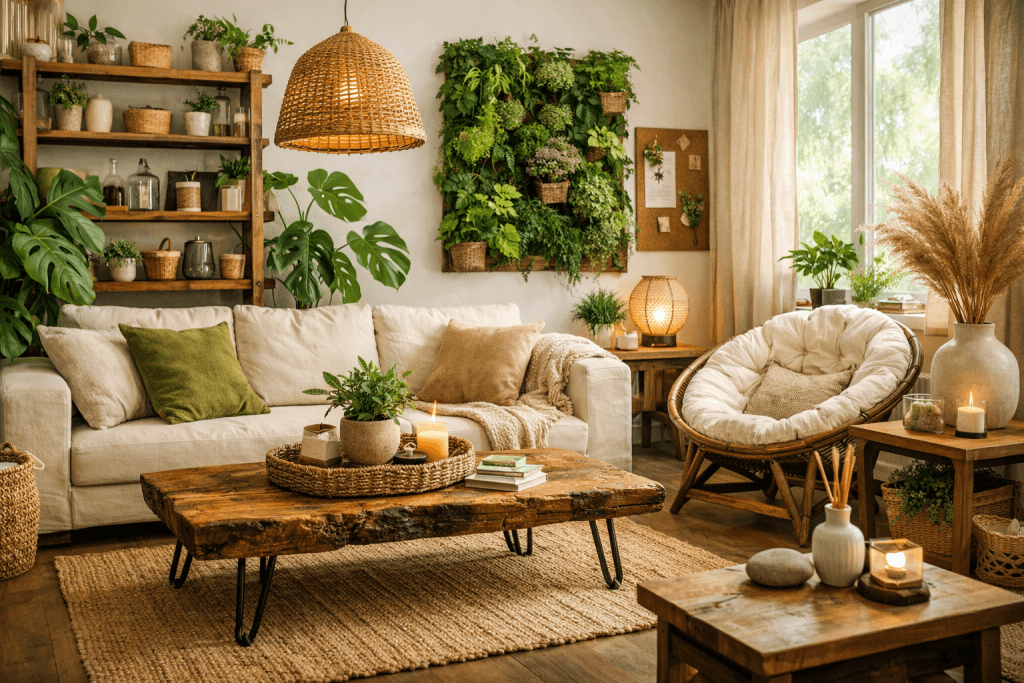
Creating a stylish home that also respects the planet is no longer a niche trend. Today, eco-friendly home decor is one of the smartest ways to improve your living space while reducing waste, cutting toxins, and supporting ethical production. The best part is that sustainable decor does not mean sacrificing beauty, comfort, or modern design.
If you want a home that feels warm, elevated, and intentional, you can start with a few key upgrades. From choosing safer materials to rethinking how you buy furniture, small decisions can completely change the impact your home has on the environment. This guide covers practical, design-friendly ideas that work for apartments, houses, and every interior style.
Start With Sustainable Materials That Actually Last
The foundation of eco-friendly home decor is choosing materials that are renewable, low-toxicity, and built for long-term use. Many common home items are made from plastics, chemical-heavy finishes, or fabrics treated with harmful dyes. Over time, these materials can release pollutants into the air and create unnecessary waste when they break or go out of style.
Focus on natural, durable materials such as solid wood, bamboo, rattan, cork, linen, wool, and organic cotton. These materials tend to age better than synthetic alternatives and often look more premium. When possible, choose items with minimal coatings or finishes.
Also pay attention to certifications when buying new items. Labels like FSC-certified wood, GOTS-certified organic textiles, or low-VOC finishes help you avoid greenwashing. You do not need to obsess over every label, but using them as a guide helps you make safer purchases.
Upgrade Furniture the Smart Way: Secondhand, Vintage, and Refurbished
One of the most powerful moves in eco-friendly home decor is buying furniture that already exists. New furniture production consumes raw materials, energy, and transportation emissions. Meanwhile, many older pieces are built better than modern mass-produced options, especially if they are made from real hardwood.
Start by checking local thrift stores, vintage markets, online resale platforms, and estate sales. Look for pieces with strong structure, solid joints, and timeless shapes. Cosmetic issues like scratches, worn stain, or outdated hardware are easy to fix.
Refurbishing furniture can also become part of your home’s personality. A sanded and re-stained wooden table, a repainted dresser, or a reupholstered chair can look custom-made. Choose low-VOC paint and water-based sealants to keep the air in your home cleaner.
If you must buy new, prioritize brands that use reclaimed wood, recycled metals, or certified materials. Avoid fast-furniture models that are designed to break or be replaced quickly.
Choose Low-Waste Textiles for a Softer, Healthier Home
Textiles are one of the easiest areas to improve because they are everywhere. Curtains, rugs, pillows, throws, bedding, and towels can all contribute to indoor pollution and waste. Many cheap fabrics are petroleum-based synthetics that shed microplastics and wear out faster.
For a more sustainable space, choose linen, organic cotton, hemp, and wool whenever possible. These fabrics breathe well, feel better against the skin, and tend to last longer with proper care. They also create a more natural, calm interior aesthetic.
Rugs deserve special attention because they cover large surface areas and often contain adhesives or synthetic fibers. Look for rugs made from jute, sisal, wool, or recycled fibers. If you have allergies or sensitivities, wool is often a better choice than synthetics because it does not trap static and dust the same way.
For a low-waste approach, consider buying fewer textiles but choosing higher-quality pieces. A small set of well-made pillow covers and one strong neutral rug can elevate a room more than a pile of trendy, disposable items.
Decorate With Plants, Natural Elements, and Biophilic Design
If you want eco-friendly home decor that instantly improves your space, plants are one of the most effective options. Indoor plants enhance the look of a room, add texture, and create a calm atmosphere. They also reduce the need for artificial decor pieces made from plastic, resin, or low-quality materials.
Start with easy-care plants like pothos, snake plants, ZZ plants, or peace lilies. Use pots made from clay, ceramic, recycled plastic, or reclaimed wood instead of cheap, brittle planters. For a more design-forward look, group plants at different heights using stools, shelves, or hanging planters.
Beyond plants, bring in natural elements like stone, wood, dried flowers, and woven baskets. These materials add warmth without looking overly rustic. A single wooden tray, a stone bowl, or a handwoven basket can add character without clutter.
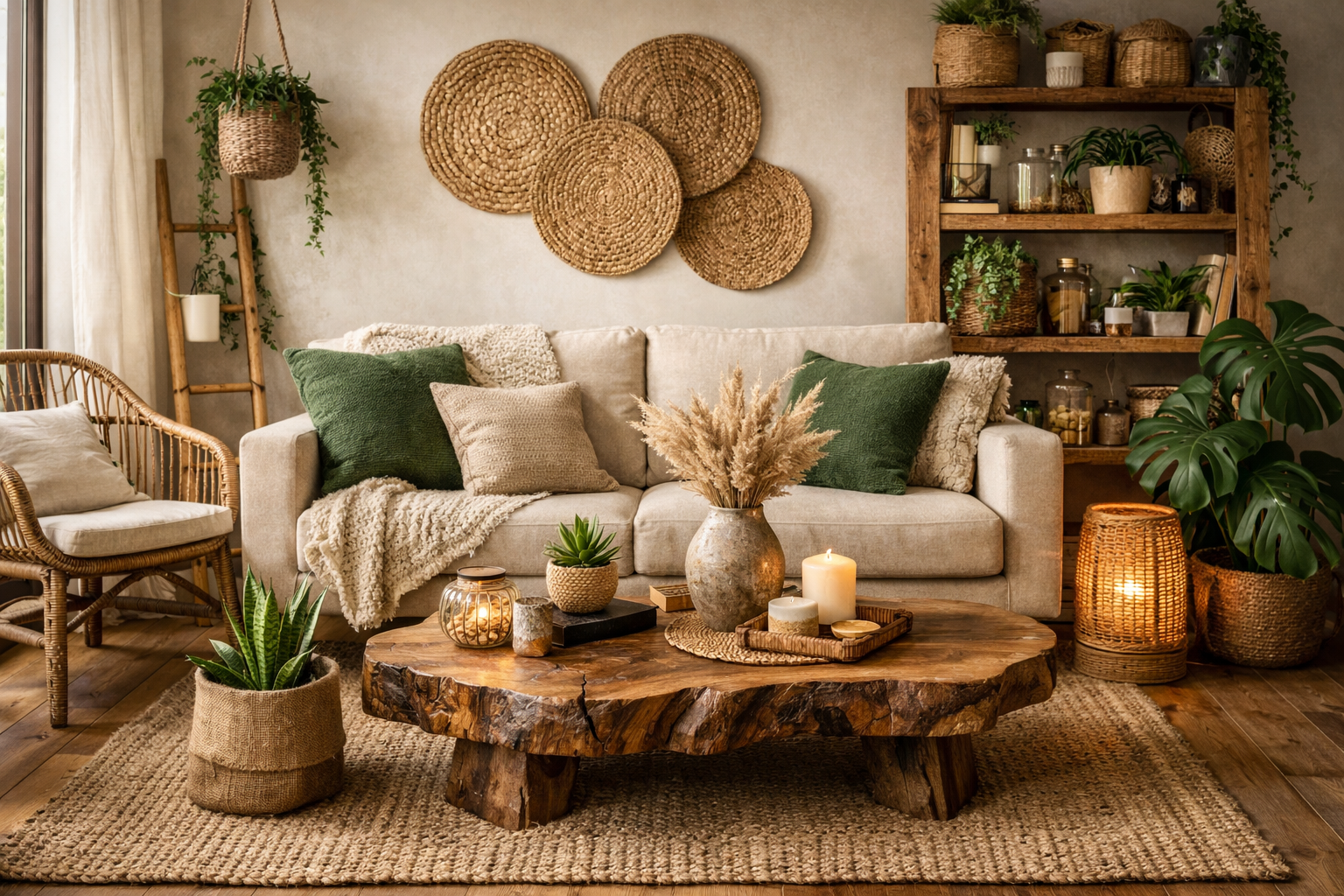
Biophilic design also includes maximizing natural light and airflow. Use sheer curtains, mirrors to bounce light, and lighter wall colors to reduce the need for extra lighting during the day. The more your home works with nature, the less you rely on energy-heavy design solutions.
Use Energy-Efficient Lighting and Safer Home Fragrances
Lighting is a decor choice that also affects energy use. Switching to LED bulbs is one of the simplest sustainability upgrades because LEDs use far less energy and last significantly longer than traditional bulbs. This reduces both electricity consumption and the number of bulbs you throw away.
To make lighting feel more stylish, focus on layered lighting instead of one harsh overhead source. Use floor lamps, wall sconces, and table lamps to create softer zones. When choosing fixtures, look for recycled metal, glass, or long-lasting materials rather than thin plastic.
Home fragrance is another overlooked area. Many conventional candles and air fresheners contain synthetic fragrances that can release irritants. If you want a home that smells good without compromising air quality, choose soy wax, beeswax, or coconut wax candles with cotton wicks.
You can also use essential oils carefully, but avoid overuse in small spaces. A more natural approach includes simmer pots with citrus peels and spices, dried lavender sachets, or simply keeping the home well-ventilated. Clean air is often the most underrated “luxury scent.”
Style Your Home With Conscious Buying Habits (Not More Stuff)
The most sustainable decor choice is often not buying something at all. A stylish home does not come from constant shopping, but from intentional selection and thoughtful styling. Eco-friendly home decor is as much about mindset as it is about materials.
Start by editing what you already own. Remove items that feel cluttered, overly trendy, or low-quality. When your space is calmer, your best pieces stand out more and you feel less pressure to fill every corner.
Then focus on multifunctional decor. Storage baskets, benches with compartments, wall shelves, and trays can look beautiful while also reducing mess. A home that stays organized naturally needs fewer decorative items to feel “complete.”
Finally, choose fewer statement pieces with strong design value. A large artwork from a local artist, a handmade ceramic vase, or a vintage mirror can define a room more effectively than multiple small decorations. This approach reduces waste and also makes your home feel more mature and intentional.
Conclusion
Eco-friendly design is not about perfection or expensive “green” products. The real goal of eco-friendly home decor is to create a space that looks good, feels healthy, and reduces waste through smarter materials, longer-lasting furniture, and more intentional buying. When you focus on durability, natural textures, and conscious choices, sustainability becomes part of your home’s style—not an extra feature.
FAQ
Q: What is the easiest way to start with eco-friendly home decor? A: Start by switching to LED lighting and replacing small textiles like pillow covers with natural fabrics such as linen or organic cotton.
Q: Is secondhand furniture always more sustainable than buying new? A: In most cases, yes, because it avoids new production and keeps usable items out of landfills.
Q: What materials should I avoid in sustainable home decor? A: Avoid low-quality plastics, heavily treated synthetic fabrics, and furniture made from particleboard with strong chemical odors.
Q: Are eco-friendly home decor products always more expensive? A: Not always, especially if you buy secondhand, choose fewer items, and invest in durable pieces that do not need frequent replacement.
Q: How can I make my home feel sustainable without adding clutter? A: Focus on a few high-impact upgrades like natural textiles, plants, and quality lighting, rather than buying many decorative objects.
