
Iran war: Houthi restraint driven by domestic priorities
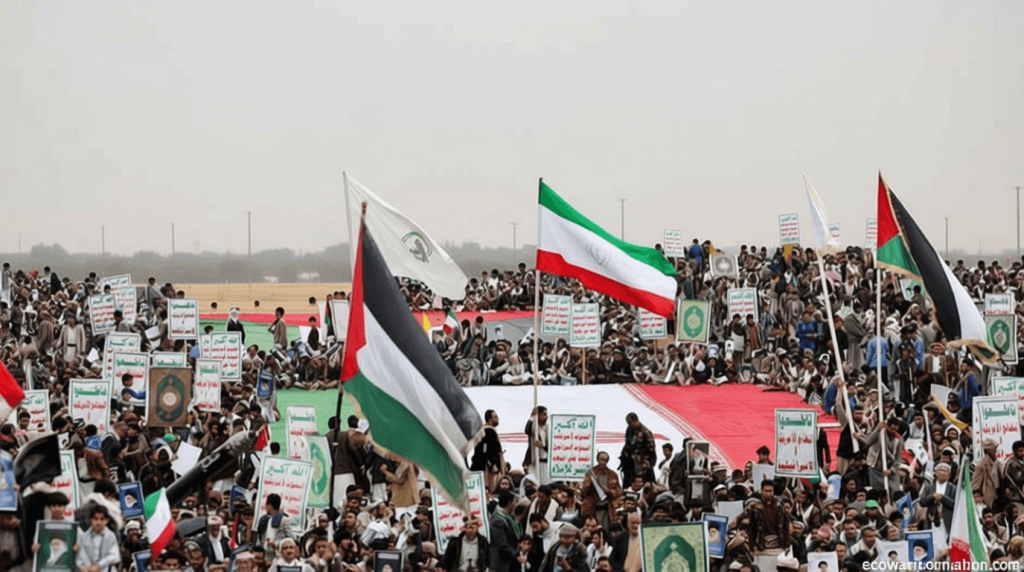
Iran War: Houthi Caution Shaped by Internal and Strategic Concerns
The Iran-linked Yemeni Houthi rebels have shown restraint in the ongoing conflict with Iran, despite expressing readiness to act. Analysts suggest this measured approach stems from a blend of domestic and geopolitical priorities. While the group has issued warnings of potential involvement, no direct military engagement has occurred yet.
Regional Dynamics and Political Calculations
Luca Nevola, a Gulf states expert at the US-based ACLED, highlighted the Houthis’ current inactivity. “They are not just restrained, but almost entirely inactive,” he stated. “So far, there are no active military operations, only symbolic backing for Iran.” This hesitation reflects a careful assessment of risks and rewards. “The cost of involvement outweighs the benefits,” Nevola explained, noting the group’s focus on avoiding escalation.
“We affirm our support for Iran, Lebanon, Palestine… and are prepared to act militarily as needed,” said Abdul-Malik Al-Houthi in a recent video message. However, unlike Hezbollah, the Houthi militia has not yet mobilized in the Iran war, despite its alliance with Tehran.
Philipp Dienstbier, from the German Konrad Adenauer Foundation, added layers to this analysis. “Multiple factors are at play,” he remarked. “The Houthis may be holding back to intensify pressure later, perhaps through renewed strikes on Red Sea shipping or energy targets.” This strategy aligns with their desire to maintain leverage without overcommitting.
Strategic Independence and Domestic Pressures
Dienstbier emphasized the Houthis’ autonomy from Iran. “Their decisions are not solely dictated by Tehran,” he noted. “They pursue their own military goals, like enhancing drone capabilities, even when aligned with Iran.” This independence explains why they avoid being drawn into every conflict. Meanwhile, internal challenges in northern Yemen demand cautious handling, according to Dienstbier.
Current vulnerabilities also play a role. Nevola pointed to the group’s reduced strength since 2023, citing US airstrikes, economic sanctions, and Israeli strikes on Houthi leadership. A fragile ceasefire with the US, along with renewed talks with Saudi Arabia, further incentivizes avoiding direct confrontation. “Engagement could undermine peace talks,” he warned, stressing the importance of maintaining stability.
Despite their current caution, the Houthis retain a reputation for unpredictability. “Their military resilience remains strong,” Dienstbier observed. “They can still deploy missiles and counter drones, even under heavy pressure.” This asymmetric strength makes containment challenging, though their reluctance to escalate suggests a calculated risk.
