
Iran war: How long before Gulf nations stop pumping oil?
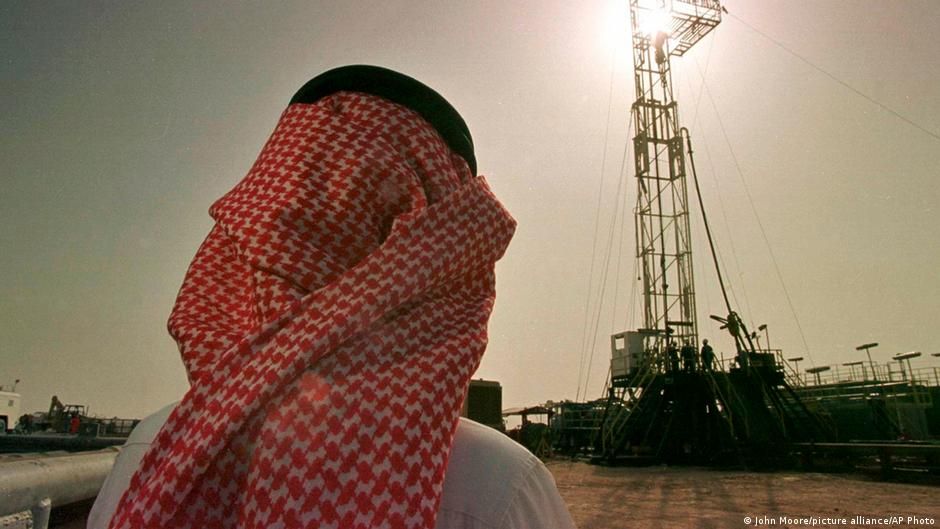
Iran War: How Long Before Gulf Nations Halt Oil Production?
Oil prices surged past $120 following attacks on Iran’s energy infrastructure and the disruption of the Strait of Hormuz. With commercial vessels halted and Middle Eastern oil facilities damaged, exporters face dwindling storage capacity to sustain output. On Monday, Brent crude hit $119.50 (€103.30) per barrel after Israel targeted Iran’s energy sites over the weekend and Tehran named Mojtaba Khamenei as its new Supreme Leader. The price dipped to roughly $100 later in the day, yet the escalating conflict continues to heighten fears about energy supply stability.
Strait of Hormuz Closure Threatens Global Trade
The Strait of Hormuz, a vital passage linking the Persian Gulf to the Gulf of Oman and Arabian Sea, was effectively closed by Iran. This action, according to shipping data from Kpler, blocked nearly all oil traffic. As a critical chokepoint, the waterway accounts for about one-fifth of global oil shipments. Its shutdown represents a severe disruption for energy markets, potentially triggering significant price hikes.
Gulf producers are struggling to maintain operations amid the crisis. While Saudi Arabia and the UAE can divert some exports via the Red Sea and Gulf of Oman, others rely on limited storage. JP Morgan estimates Gulf nations collectively hold 343 million barrels of oil, offering a buffer of 22 days as the war intensified on February 28. However, the daily flow through Hormuz—around 15 million barrels of crude and over 4 million barrels of refined products—exceeds their capacity.
Regional Impact and Production Challenges
Iran’s strikes on energy sites, airports, and US military installations have drawn Gulf states into the conflict. These attacks have sparked accusations of betrayal and raised threats of military response. The closure of Hormuz has compounded the strain, as tankers remain stranded. Restarting production after a shutdown could take weeks, with prolonged interruptions risking equipment failures or other complications.
“Iraq’s remaining oil fields face an imminent, near-certain shutdown,” warned Rystad Energy on Monday. The country’s storage capacity, just six days of supply, has likely been fully exhausted, leading to output reductions of approximately 1.5 million barrels per day.
Saudi Arabia, with 66 days of storage on February 28, still has room to maneuver, though its effective production window may shrink to seven to nine days. Saudi Aramco is rerouting oil to Yanbu, while the UAE is sending some shipments through Fujairah, which suffered Iranian strikes. These alternatives account for only a third of the oil typically flowing via Hormuz.
Dutch lender ING noted that Kuwait and the UAE have also cut production. Meanwhile, the Financial Times reported that Saudi Arabia reduced output despite having surplus storage. Similar reductions were confirmed by Bloomberg News and Reuters. A full cessation of Gulf exports could push prices even higher, as the region supplies roughly one-third of the world’s seaborne crude oil.
