
Iran war: Why is the South Pars gas field so important?
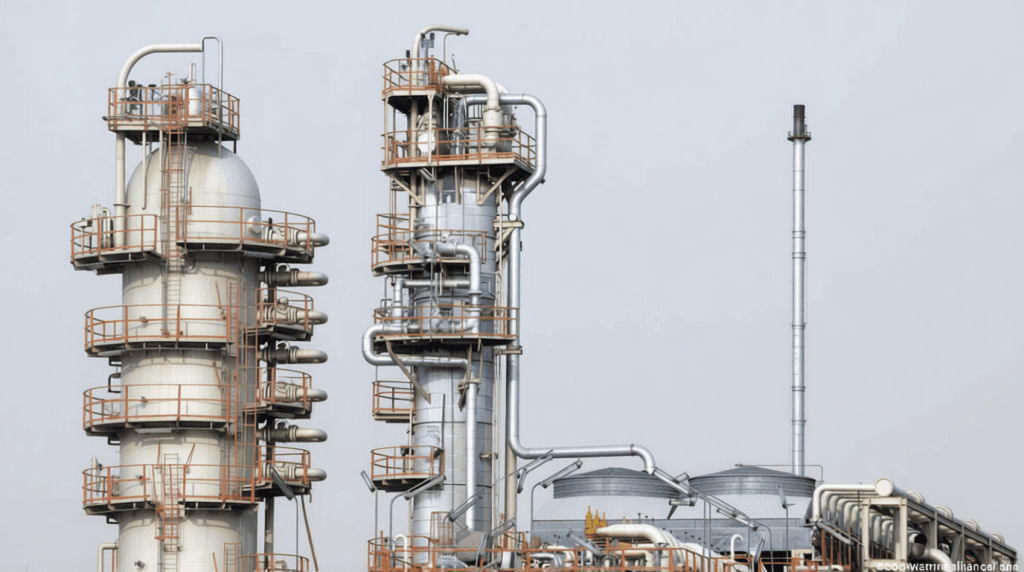
Iran War: Why is the South Pars Gas Field so Important?
Escalation in Energy Conflict
The recent assault on Iran’s South Pars gas field has disrupted international energy markets, sparking concerns about potential war expansion and pushing oil prices upward. On March 18, Israel struck the facility, focusing on onshore refinery units and storage tanks in Asaluyeh, along with offshore infrastructure linked to the field. In response, Iran launched missile and drone strikes against Saudi Arabia, the United Arab Emirates, and Qatar’s main energy hub, Ras Laffan Industrial City, which houses the globe’s largest liquified natural gas (LNG) export complex.
According to QatarEnergy, the state-run entity overseeing Ras Laffan alongside ExxonMobil, TotalEnergies, and Shell, the industrial area faced “extensive damage.” This marks the first time an operational fossil fuel site has been directly targeted since the conflict began on February 28. Previously, the U.S. and Israel had avoided hitting Iranian production units to prevent immediate retaliation.
“Knew nothing about this particular attack” wrote President Donald Trump on Truth Social, adding that Israel would not strike the gas field again without provocation. He also cautioned Iran that the U.S. would “massively blow up the entirety of the South Pars Gas Field” with unprecedented force if it targeted Qatar again.
Global Implications of the Strike
The attacks signal a major escalation, threatening global energy stability. South Pars, a shared reservoir with Qatar’s North Dome field, constitutes the world’s largest natural gas deposit, holding about one-third of total reserves. While Iran primarily uses its output domestically, Qatar relies on exports to meet international demand, particularly in Asia.
The Ras Laffan complex contributes roughly 20% to the global LNG trade, positioning Qatar as the third-largest exporter after the U.S. and Australia. Disruption here would affect not just energy supply but also helium production, a byproduct essential for semiconductor manufacturing and other industrial processes.
Regional Impact and Economic Pressures
Across the Middle East, oil and gas output has declined due to the Strait of Hormuz blockade, which halts shipments from the Persian Gulf. Though production facilities have managed to stay operational despite temporary shutdowns, direct attacks now risk prolonged outages. Repairs to damaged infrastructure are complex, costly, and could take months or years, reducing supply to a strained global market.
For Iran, the South Pars strike mainly worsens domestic energy challenges. Western sanctions restrict exports, so the country consumes most of its gas production. Even the 70% of output from South Pars that reaches Iraq and Turkey is vital to its economy. Meanwhile, Qatar’s ability to recover from damage is bolstered by its economic strength, though the conflict has already shaken regional energy dynamics.
