
Iran war: Will Europe’s split on US strikes backfire?
Iran War: Will Europe’s Split on US Strikes Backfire?
Weekend celebrations erupted in Europe among Iranian expatriates following the U.S.-Israel strike that killed Iran’s Supreme Leader, Ayatollah Ali Khamenei. In Brussels, a man celebrated joyfully, declaring,
“The dictator is dead. This is the best day of my life,”
as he danced along cobblestone streets. Yet, across the EU, officials remained critical of the Iranian regime, having imposed numerous sanctions and voiced strong disapproval of its retaliatory attacks on Gulf nations.
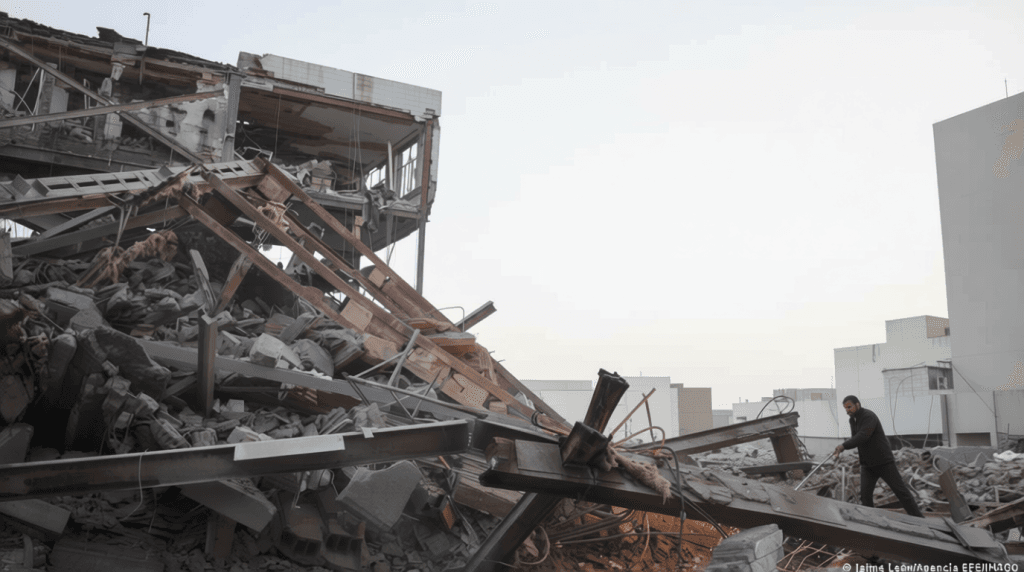
EU diplomats now face a complex diplomatic challenge. Were the U.S.-Israel strikes, which the Red Crescent reports have killed at least 555 Iranian civilians, consistent with international law and the rules-based system the EU often champions? EU representatives sidestepped the question during Monday’s press conference, leaving it unanswered. President Donald Trump framed the strikes as efforts to prevent Iran from acquiring nuclear weapons and to dismantle its missile arsenal. However, his administration offered no legal justification through global institutions.
Defense Secretary Pete Hegseth dismissed the need for international frameworks, asserting the U.S. acted “regardless of what so-called international institutions say” with “no stupid rules of engagement.” This stance has sparked mixed reactions within the EU. German Chancellor Friedrich Merz, for instance, refrained from criticizing Washington, stating,
“Legal assessments under international law will achieve relatively little”
in driving political change in Iran. He emphasized shared objectives with allies, despite lingering concerns.
In contrast, Spain’s Prime Minister Pedro Sanchez criticized the unilateral military action, arguing it escalates tensions and undermines a stable international order. He called it a “threat to the entire region” under the current regime. Legal experts also diverge in their views. Marc Weller, a Cambridge professor and Chatham House director, contended that the strikes lacked legal justification, asserting,
“There is no available legal justification for the present, sustained attack on Iran,”
and noting force is only permissible as a last resort.
Rosa Freedman, a law professor at the University of Reading, disagreed. She highlighted the importance of context, saying,
“Law doesn’t operate in a vacuum,”
and argued the strikes were lawful given Iran’s nuclear ambitions. While debates over legality may linger in academic circles, they are unlikely to resolve in court. The EU’s internal divide on the matter reflects broader tensions in its approach to international conflict.
