
Slovenia election sees ruling party tied with opposition
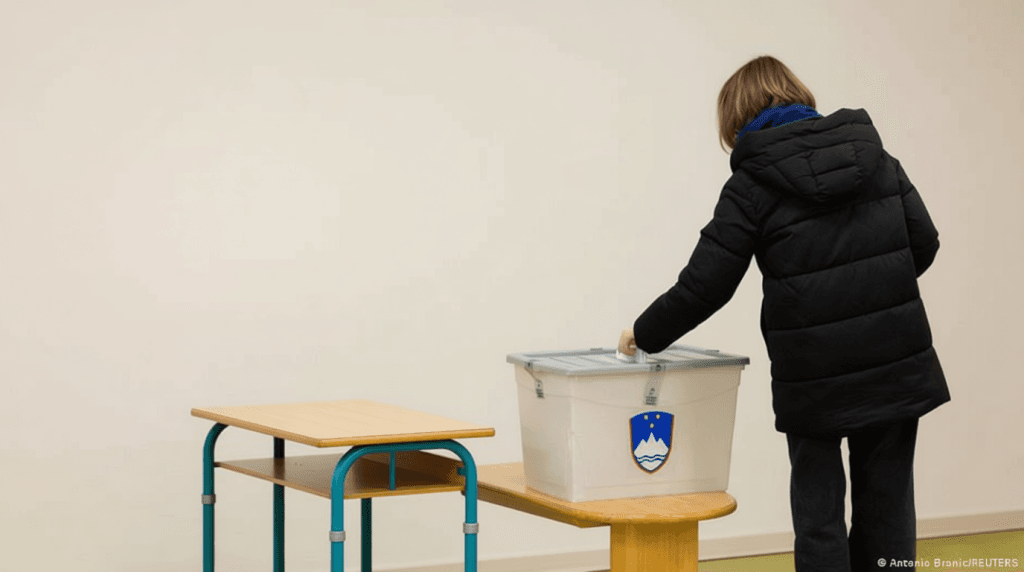
Slovenia’s Parliamentary Election Enters a Tight Race
With nearly all votes counted, the ruling liberal Freedom Movement of Slovenia, led by Prime Minister Robert Golob, found itself in a virtual deadlock with the right-wing Slovenian Democratic Party (SDS), headed by Janez Jansa. The results indicated that Golob’s party held a slight edge, securing 28.5% against the SDS’s 28.1%. However, the gap was razor-thin, less than half a percentage point, as the nation’s 90-member parliament remained in a precarious balance.
Sunday’s vote marked a pivotal moment for Slovenia, a small EU member state with a population of 2 million. The contest pitted Golob, the current government’s leader, against Jansa, a former prime minister with a history of populist rhetoric. Exit polls from public broadcaster TV Slovenia and commercial Pop TV had initially suggested a more decisive outcome for the Freedom Movement, but this momentum waned as the final tally approached.
As the nearly final tally emerged, it remained uncertain which party would secure the pathway to governance. Smaller factions, positioned between the two main contenders, appeared poised to play a crucial role in shaping the next administration. Golob expressed optimism shortly after the results, stating, “I am confident we can lead the next government,” while acknowledging that “tough negotiations lie ahead.”
“In the next term, we will do everything we can to ensure a better future,” Golob added. “We can look forward to moving ahead, into the future, under a free sun.”
The election also highlighted the broader ideological divide within the EU. Golob’s government has long advocated for liberal policies, contrasting with Jansa’s SDS, which aligns with right-wing populists like Hungary’s Viktor Orban and Slovakia’s Robert Fico. Jansa, known for his admiration of Donald Trump, has consistently criticized the ruling party, labeling it a “crime syndicate.”
Historical Political Shifts and EU Integration
Slovenia, which gained independence from Communist Yugoslavia in 1991, has historically oscillated between liberal and conservative ideologies. The country’s 2004 accession to both the EU and NATO underscored its commitment to Western values, yet the recent poll suggests a potential realignment of political priorities.
Allegations of Foreign Election Interference
Leading up to the vote, concerns about external influence dominated headlines. Jansa was accused of employing Black Cube, an Israeli intelligence firm, to bolster his campaign. The company, run by former Mossad agents, was allegedly responsible for a series of videos aimed at undermining government credibility.
Jansa, who previously faced charges of restricting press freedoms, admitted to contacts with Black Cube but denied any wrongdoing. In response, Golob urged the EU to investigate the matter, emphasizing, “It is so important… to act now to protect every other state entering the election process.”
Slovenian authorities reported that Black Cube operatives visited Ljubljana four times during the campaign. The firm has also been linked to past controversies, including its role in discrediting individuals who accused Harvey Weinstein of sexual abuse.
